The Scope and Impact of Vestibular Disorders
Vestibular disorders, which affect the inner ear and brain regions responsible for balance and spatial orientation, represent a significant public health challenge. According to data from the National Institute on Deafness and Other Communication Disorders (NIDCD), approximately 35% of U.S. adults aged 40 years and older—roughly 69 million people—have experienced some form of vestibular dysfunction. These conditions often manifest as "invisible disabilities," where patients appear healthy to external observers while suffering from debilitating vertigo, dizziness, and cognitive fog.
The psychological and spiritual toll of these conditions is frequently as severe as the physical symptoms. Research indicates that patients with chronic vestibular issues suffer from significantly higher rates of anxiety and depression compared to the general population. The unpredictable nature of symptoms often leads to a "shrunken world," where patients withdraw from social, professional, and spiritual communities due to mobility limitations and sensory overload.
Chronology of Diagnosis and Personal Transformation
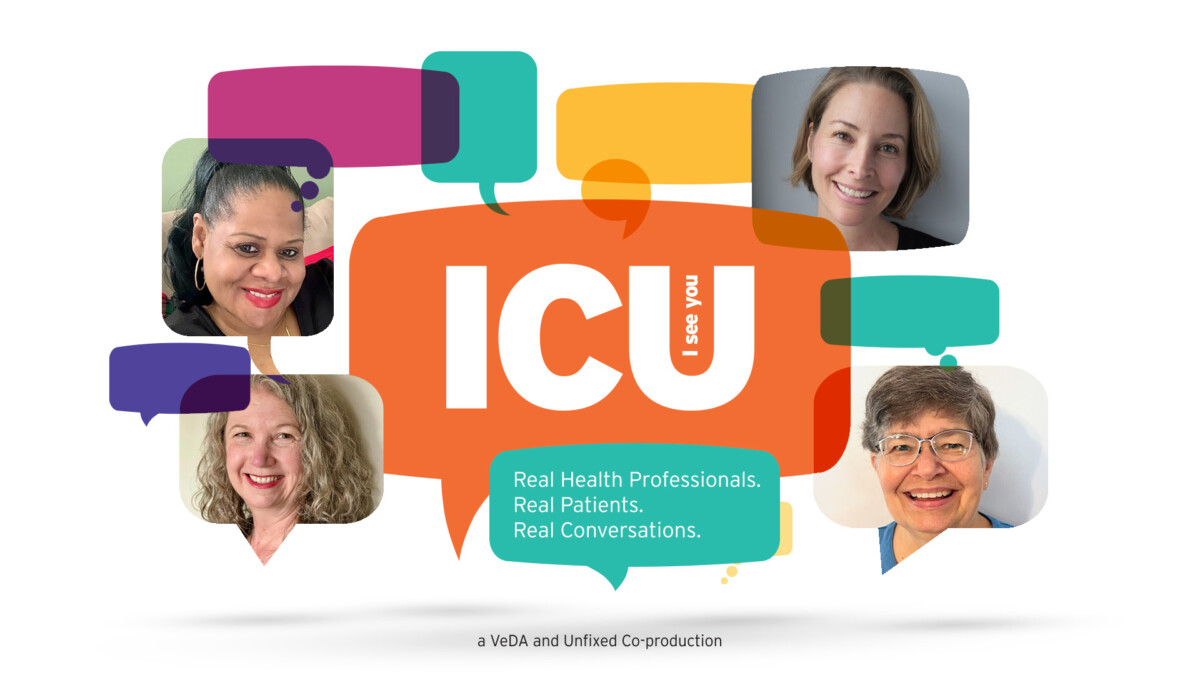
The podcast features two distinct yet overlapping chronologies of illness that illustrate the sudden and often permanent shift in lifestyle associated with vestibular disease.
Lynn Johnson’s trajectory began abruptly in 2015. A high school biology teacher by profession, Johnson experienced a sudden onset of severe imbalance and loud tinnitus. Following months of diagnostic uncertainty—a common experience for vestibular patients—she was diagnosed with Autoimmune Inner Ear Disease (AIED) and Bilateral Vestibular Hypofunction. AIED is a rare condition occurring in less than 1% of all cases of hearing loss or dizziness, where the body’s immune system misidentifies the inner ear as a foreign threat. For Johnson, the progression was aggressive, resulting in profound hearing loss and oscillopsia—a visual disturbance where objects appear to jump or jiggle. These symptoms necessitated the termination of her teaching career and a total recalibration of her independence.
Reverend Carol Rexroad Cannon’s experience followed a different clinical path. In 2016, she was diagnosed with vestibular neuritis, an inflammation of the vestibular nerve typically caused by a viral infection. While many patients recover from neuritis within weeks, Cannon’s condition evolved into Persistent Postural-Perceptual Dizziness (PPPD). PPPD is a chronic functional vestibular disorder characterized by non-spinning dizziness and perceived instability that is exacerbated by upright posture and complex visual stimuli. For a pastor with 40 years of experience, the sensory demands of congregational leadership—such as navigating crowded rooms and processing multiple voices—became insurmountable in a traditional capacity.
The Biopsychosocial-Spiritual Model of Healing
The narratives presented by Johnson and Cannon align with contemporary medical shifts toward holistic patient care. The "biopsychosocial-spiritual" model suggests that a patient’s spiritual well-being is not merely a peripheral concern but a core component of their health outcome.
For Johnson, the loss of her professional identity as an educator triggered a profound spiritual crisis. She describes her faith as an "anchor," citing the biblical mandate from Proverbs 3:5–6 to trust in a higher power even when the physical body fails. Johnson’s recovery was not marked by a sudden medical miracle but by a gradual "spiritual reframing." She transitioned from mourning the loss of her physical hearing to developing what she terms "spiritual hearing"—a heightened sense of internal reflection and presence. This shift allowed her to find new expressions for her innate gifts of compassion and creativity through advocacy work with the Vestibular Disorders Association (VeDA).
Reverend Cannon’s approach emphasizes the "spiritual discipline of rest." In a society that often equates worth with productivity, the onset of a vestibular disorder forces a radical deceleration. Cannon argues that rest is not merely a physical necessity for the brain to compensate for vestibular damage, but a theological imperative. She highlights the importance of "presence over platitudes," a pastoral technique that involves sitting with patients in their grief rather than offering hollow reassurances. This method acknowledges the reality of suffering while maintaining a connection to a supportive community.
Supporting Data on Spirituality and Patient Resilience
Quantitative and qualitative studies support the observations made by the podcast guests. Research published in the Journal of Religion and Health suggests that patients who engage in regular spiritual or meditative practices report a higher "Quality of Life" (QoL) score, even when their physical symptoms remain constant. Spirituality provides "meaning-making" tools that help patients process the trauma of chronic illness.
For vestibular patients specifically, the "sensory grounding" provided by spiritual practices—such as deep breathing, prayer, or mindful walking—can serve as a form of informal vestibular rehabilitation. By lowering the autonomic nervous system’s "fight or flight" response, which is often hyper-activated in dizzy patients, spiritual practices can reduce the perceived intensity of symptoms.
Clinical and Pastoral Responses to Sensory Loss
The podcast highlights the necessity of adapting spiritual environments to accommodate those with sensory disabilities. Both guests discussed the challenges of traditional worship settings:
- Acoustic Challenges: Loud music and echoing sanctuaries can be physically painful for those with tinnitus or hyperacusis.
- Visual Overload: Complex patterns in stained glass or flickering lights can trigger dizziness in PPPD patients.
- Social Withdrawal: The inability to drive or navigate crowds often leads to spiritual isolation.
In response, Cannon advocates for a "theology of limits," where religious institutions and support networks recognize and accommodate the physical boundaries of their members. This includes providing quiet spaces, offering virtual participation options, and validating the feelings of those who can no longer participate in the same way they once did.
Analysis of Broader Implications and Advocacy
The testimonies of Johnson and Cannon underscore the vital role of patient advocacy organizations like VeDA. By serving as a VeDA Ambassador, Johnson has transformed her personal struggle into a platform for global support. This transition from "patient" to "advocate" is a recognized stage in psychological healing, known as "post-traumatic growth."
The broader implications for the medical community are clear: clinical treatment for vestibular disorders must be supplemented with resources that address the patient’s search for meaning. When patients like Johnson lose their careers and their physical stability, the "miracle" is often found in the resilience of the human spirit.
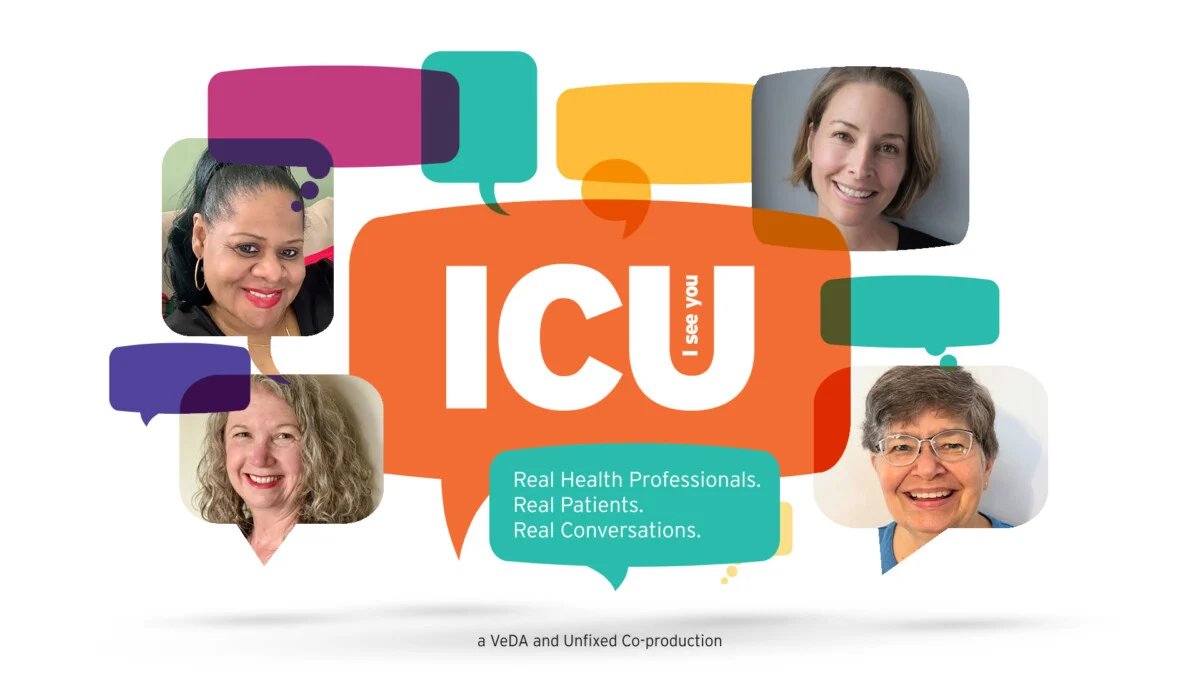
The ICU Podcast emphasizes that while medical science seeks to fix the "spinning" of the inner ear, spirituality provides a way to remain steady while the world continues to turn. The integration of spiritual health into the vestibular recovery journey does not erase the illness, but it prevents the illness from erasing the person.
Conclusion: A Shared Invitation to Reflection
The conversation concludes with a call to intentionality. For those living with the uncertainty of chronic illness, the guests suggest that strength is found in small, daily practices—gratitude journaling, moments of silence, or the "God winks" of beauty found in nature.
The overarching message of the "Spirituality & Chronic Illness" episode is one of solidarity. As Johnson notes, the journey through vestibular illness is an opportunity to discover an internal strength that is independent of physical balance. For the millions of individuals worldwide living with these conditions, the message remains: "You are not alone, and there is still a life of joy and purpose to be lived, even in the midst of the spin."