The Chronology of a Public Health Initiative
The journey toward this achievement did not occur in isolation. It represents the culmination of a broader strategic effort by Tinnitus UK to integrate hearing protection into the cultural fabric of the live music industry. Following the momentum generated during Tinnitus Week 2026, which focused on raising awareness of auditory damage, the organization expanded its reach to the Download Festival. The success of those outreach programs provided the foundational data necessary to test more robust, structural changes at ArcTanGent.
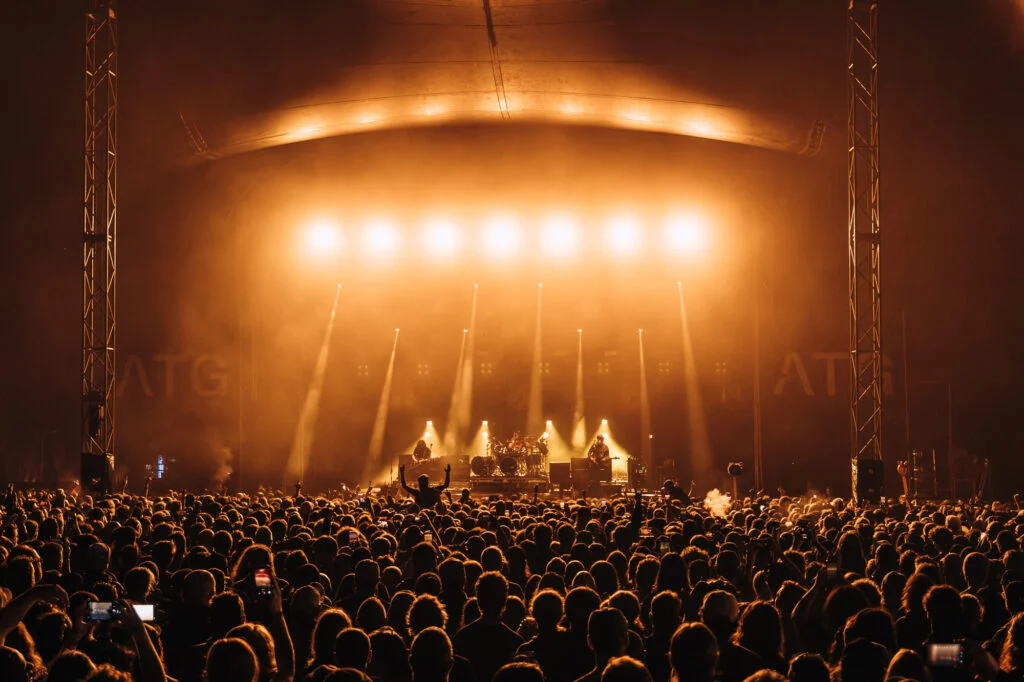
The implementation process was methodical. In the months leading up to the festival, ManCAD researchers and festival production teams worked to calibrate sound systems and establish monitoring protocols. Throughout the four-day event in the Mendips, the team operated on two fronts: providing operational support for the WHO standards—which include sound level monitoring, staff training, and the provision of quiet zones—and conducting longitudinal research to assess the efficacy of these measures in a real-world, high-decibel environment.
Understanding the WHO Global Standard
The WHO Global Standard for Safe Listening is not intended to dampen the artistic integrity of a performance; rather, it provides a technical framework to prevent noise-induced hearing loss (NIHL) and tinnitus. The standard advises that venues maintain average sound levels within safe limits, typically capped at 100 decibels (dB), and that they provide resources to help audiences manage their own exposure.
At ArcTanGent, this was translated into tangible infrastructure. Free foam earplugs were positioned strategically at stage barriers, ensuring that protection was accessible at the points of highest volume. Simultaneously, high-fidelity earplugs—which attenuate sound frequencies evenly to maintain clarity—were made available for purchase at the merchandise and Metal For Good tents. These measures represent a shift from viewing hearing protection as a personal responsibility to treating it as a shared venue obligation.
Data and Observational Analysis
Preliminary observations from the festival site suggest a high degree of cultural receptivity toward hearing health. A volunteer monitor noted that more than 50% of the audience members in high-volume areas were utilizing some form of ear protection. This trend appeared to correlate with proximity to the stage, suggesting that seasoned festivalgoers are increasingly aware of the cumulative risks associated with prolonged exposure to high-decibel sound.
Furthermore, the integration of safe listening protocols appeared to have a negligible impact on the perceived quality of the music. In fact, many attendees reported that the sound engineering, optimized under the new guidelines, offered improved clarity. By reducing excessive resonance and distortion often associated with pushing sound systems beyond their optimal limits, the festival demonstrated that safer listening can actually enhance the aesthetic experience.
Expert Perspectives and Stakeholder Responses
The involvement of ManCAD provided an academic rigor to the festival’s operations. Dr. Samuel Couth, a Lecturer at the Manchester Centre for Audiology and Deafness, emphasized that the goal is to bridge the gap between passion and preservation. “Live music is an essential cultural touchstone,” Dr. Couth stated. “Our goal is to ensure that the industry recognizes that protecting hearing and enjoying loud music are not mutually exclusive. The success here shows that we can implement evidence-based standards without compromising the energy that fans expect from an experimental music festival.”
Festival organizers, who deal with the complex logistics of managing four stages of extreme metal, post-rock, and electronic music, echoed this sentiment. The challenge was to integrate these measures without disrupting the "uncompromising" nature of the performances. The positive response from artists and technical crews suggests that the industry is becoming increasingly open to these health-oriented adjustments. By participating in the HELA initiative, staff received specific training to identify and mitigate risks, turning them into active participants in the audience’s safety.
The Broader Implications for the Music Industry
The implications of the ArcTanGent experiment extend far beyond a single weekend in the countryside. Globally, the burden of hearing loss is rising, with the WHO estimating that over one billion young adults are at risk of permanent, avoidable hearing loss due to unsafe listening practices in recreational settings.
By formalizing the role of sound technicians and incorporating real-time monitoring into the festival’s production schedule, ArcTanGent has established a template that can be scaled to larger arenas and stadium tours. The analysis of the research gathered at the festival will likely inform future policy recommendations for event organizers, venue owners, and government health departments.
The analysis suggests three primary areas for industry growth:
- Infrastructure Integration: Moving beyond temporary fixes by incorporating sound-limiting technology directly into the design of touring sound systems.
- Standardized Training: Implementing the HELA initiative across all major UK festivals to ensure that staff can provide informed guidance to concertgoers.
- Normalization: Moving the conversation from "why wear earplugs" to "when and where to wear them," thereby removing the social stigma that has historically been associated with protective gear in loud environments.
The Future of Live Sound
As the industry looks toward the next festival season, the success at ArcTanGent serves as a vital proof of concept. The festival demonstrated that when infrastructure, education, and artistic freedom are aligned, the result is a more sustainable environment for music lovers.
The core message remains clear: the longevity of the live music scene depends on the health of its audience. If fans are to continue traveling to fields and stadiums for decades to come, the normalization of ear protection and the implementation of responsible sound management must become industry standards rather than optional add-ons.
As research continues, Tinnitus UK and its partners remain committed to refining these protocols. The data gathered from the festival’s diverse stages—ranging from the subtle textures of progressive rock to the overwhelming intensity of extreme metal—will provide a nuanced view of how different musical genres impact auditory health.
For the average concertgoer, the path forward is straightforward. As the industry shifts to accommodate safer listening practices, the onus remains on the individual to adopt these habits early. Whether at an experimental outdoor festival or an indoor club, the modern, informed music fan is increasingly opting for high-fidelity protection. By embracing these changes, the community ensures that the visceral, physical connection to live sound—the very thing that makes the live music experience irreplaceable—remains viable for generations to come. The ArcTanGent model is not just a technological success; it is a cultural evolution, proving that the music doesn’t have to be quiet to be safe.