What Are the Degrees of Hearing Loss?
The concept of "degrees of hearing loss" serves as a standardized framework for categorizing the extent to which an individual’s auditory sensitivity has diminished. These categories, often referred to as levels, stages, or even degrees of deafness, are determined by evaluating auditory thresholds. An auditory threshold represents the softest sound a person can detect at a specific frequency at least 50% of the time during a formal hearing assessment. It is crucial to understand that these degrees quantify the magnitude of hearing reduction, not its underlying cause or specific type. For instance, two individuals with identical dB HL measurements might experience sound perception differently due to variations in the affected frequencies or whether one or both ears are involved. This distinction is vital as it guides appropriate diagnostic and therapeutic pathways.
How Is Hearing Loss Measured? Understanding Hearing Tests, Audiograms, and dB HL
The cornerstone of identifying and quantifying hearing loss is the comprehensive hearing test, meticulously conducted by a qualified audiologist or hearing healthcare professional. This diagnostic process involves a series of auditory evaluations designed to pinpoint the softest sounds an individual can perceive across a spectrum of frequencies.
During a typical hearing test, the professional will present a range of tones at varying pitches and intensities. The individual being tested is instructed to signal whenever they hear a sound. By systematically identifying the lowest intensity at which a sound can be detected, the audiologist establishes the individual’s auditory thresholds for each frequency.
These results are meticulously recorded and expressed in decibels hearing level (dB HL). It is important to clarify a common misconception: a measurement like "40 dB hearing loss" does not signify 40% hearing capability. Instead, it indicates that the individual can only detect sounds at 40 decibels above the average normal hearing threshold. Therefore, hearing loss is measured in decibels, a unit of sound intensity, not as a percentage.
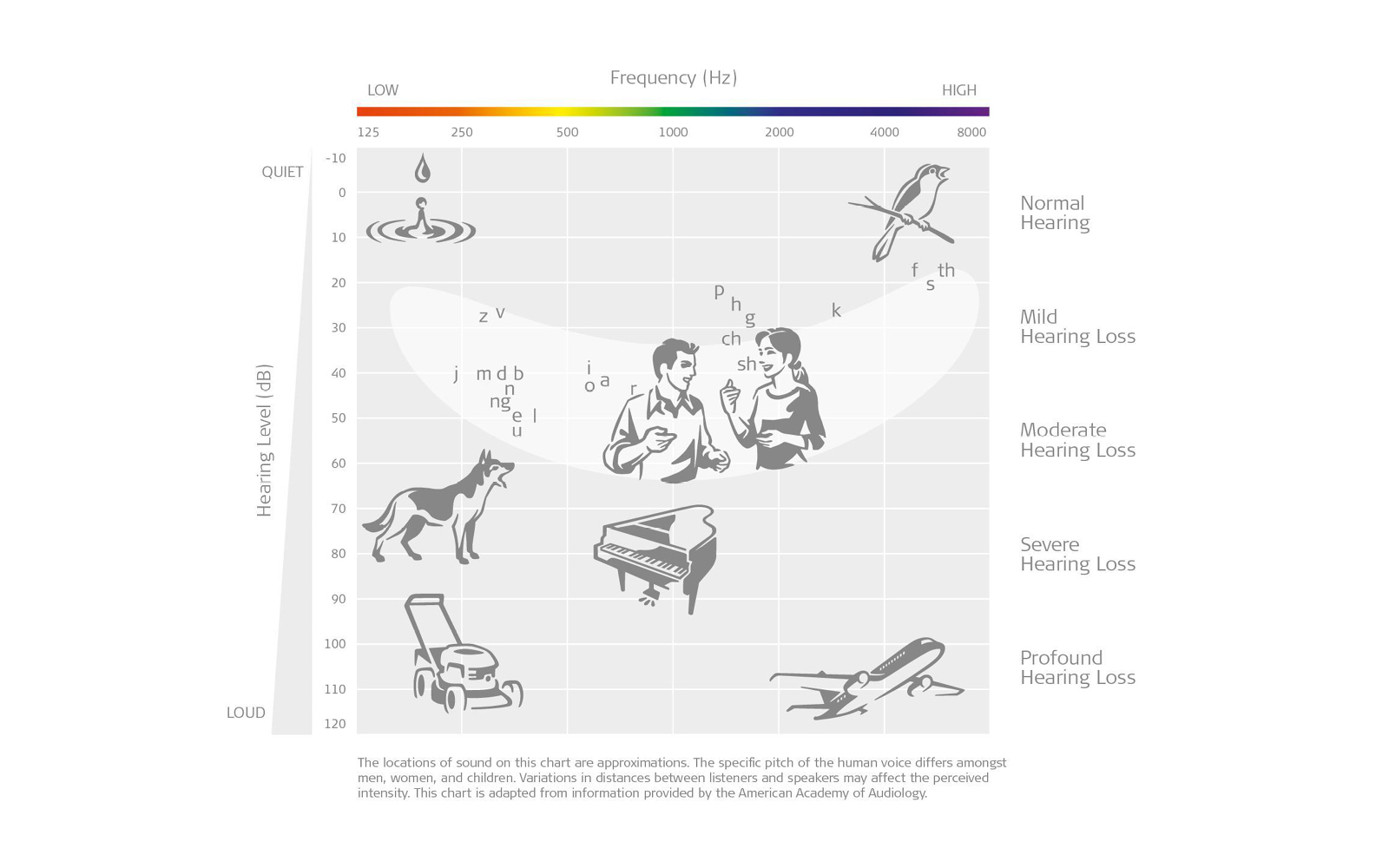
The compiled data from a hearing test is visually represented on an audiogram, often referred to as a "hearing chart." This graphical representation plots the softest audible sounds an individual can hear against a range of pitches, from low (bass) to high (treble). Frequencies are typically plotted on the horizontal axis (in Hertz, Hz), while intensity is plotted on the vertical axis (in dB HL), with lower numbers indicating softer sounds.
The audiogram also provides critical insights into how different speech sounds are perceived. Speech sounds occupy distinct regions on the audiogram. Softer consonants, which carry much of the intelligibility of spoken language, are often perceived at lower intensities than louder vowel sounds. This is why individuals with certain types of hearing loss might report hearing speech but experiencing it as "loud but unclear." They may be able to detect the presence of a voice but miss crucial phonetic details that differentiate words, leading to communication difficulties, particularly in noisy environments.
Degrees of Hearing Loss: A Detailed Breakdown
The spectrum of hearing loss is broadly categorized into distinct degrees, ranging from normal hearing to profound deafness. While the precise decibel (dB HL) cut-off points for each category can exhibit slight variations across different clinical guidelines and research bodies, the practical implications and everyday impact of each degree remain remarkably consistent. This standardization allows for a universal understanding and approach to auditory care.
Below is a detailed overview of these degrees, providing context for their measurement and typical real-world experiences:

| Degree of Hearing Loss | Auditory Threshold (dB HL) | Everyday Impact | Example Scenario |
|---|---|---|---|
| Normal/Typical Hearing | 25 dB HL or better | Most everyday speech and environmental sounds are heard with clarity. Individuals can easily follow conversations, even in moderately noisy settings, and are aware of subtle auditory cues in their environment. | You can comfortably engage in conversations with soft speech, even in a bustling café or a moderately noisy restaurant, without significant effort or missing key details. You can clearly hear the rustling of leaves, the chirping of birds, or the gentle hum of appliances. |
| Mild Hearing Loss | 26-40 dB HL | Soft or distant speech becomes more challenging to discern. Conversations in the presence of background noise require increased listening effort. This can lead to a tendency to miss parts of conversations or ask for repetition more frequently, especially in group settings. | In a crowded room or a busy café, you might find yourself straining to hear a quiet speaker or missing nuances in conversations. You might frequently mishear words or phrases, leading to a sense of fatigue after prolonged social interactions. You may also struggle to hear someone speaking from another room or when they are facing away from you. |
| Moderate to Moderately Severe Hearing Loss | 41-60 dB HL | Normal conversational speech may sound muffled or indistinct. Understanding speech in group discussions or noisy environments becomes significantly challenging. This often necessitates asking speakers to repeat themselves or increasing the volume of auditory devices. | You may find yourself frequently turning up the volume on your television or phone to a level that others find uncomfortable. Understanding group conversations at social gatherings or in professional meetings becomes a significant hurdle, often requiring you to focus intently on lip movements and context clues to follow the discussion. You might miss important announcements or instructions if they are not delivered loudly. |
| Severe Hearing Loss | 61-80 dB HL | Only loud sounds, such as traffic noise or the operation of a vacuum cleaner, are clearly perceived. Understanding everyday speech without substantial amplification becomes extremely difficult, impacting daily communication and safety. | Even when someone speaks directly to you at a normal volume, you may not hear them unless they raise their voice significantly. You might struggle to hear a smoke alarm or a doorbell unless it’s exceptionally loud. Reliance on visual cues and amplification becomes essential for basic communication. |
| Profound Hearing Loss | 81 dB HL or greater | Very few sounds are audible, and individuals often rely heavily on visual cues, lip-reading, or powerful assistive listening devices. The world of sound is largely diminished, necessitating specialized communication strategies and technologies. | You may only be aware of extremely loud, sudden noises such as a fire alarm, a door slamming forcefully, or very loud music. Everyday sounds are largely imperceptible, making it imperative to utilize visual communication methods and advanced hearing technologies to engage with the auditory world. Safety awareness can also be compromised without specialized alerts. |
These defined levels of hearing loss are instrumental in guiding hearing healthcare professionals to recommend the most appropriate support, treatment options, and assistive listening technologies tailored to an individual’s specific needs.
The Everyday Impact of Different Levels of Hearing Loss
The tangible effects of varying degrees of hearing loss extend far beyond the audiogram, profoundly influencing an individual’s daily life, social interactions, and overall well-being. The impact is not solely dictated by the severity of the loss but is also significantly modulated by the listening environment.
For individuals experiencing mild hearing loss, the subtle erosion of auditory clarity can manifest in several ways:
- Difficulty hearing soft or distant speech: Conversations in quiet settings may become less clear, and understanding someone speaking from across a room or when their voice is naturally soft can be challenging.
- Increased effort in noisy environments: Social gatherings, restaurants, or any setting with background noise can become exhausting. The brain expends considerable energy trying to filter out distractions and focus on speech, leading to auditory fatigue.
- Missing parts of conversations: This can lead to a feeling of being out of sync with others, requiring frequent requests for repetition ("What did you say?") and potentially causing social withdrawal due to the perceived effort involved.
- Struggles in group settings: Following multi-person conversations becomes particularly difficult, as it’s harder to track who is speaking and to understand individual contributions amidst the general hubbub.
As hearing loss progresses to moderate levels, the impact becomes more pronounced and pervasive:
- Muffled or unclear normal conversation: Even in relatively quiet environments, speech may sound distorted or as though the speaker is mumbling. Vowel sounds might be heard, but the softer, crucial consonant sounds that convey meaning can be missed.
- Significant challenges in noisy environments: Understanding speech in group settings, at parties, or even during a one-on-one conversation in a restaurant becomes a substantial hurdle. This can lead to frustration and a reluctance to participate in such activities.
- Increased reliance on visual cues: Individuals often unconsciously begin to rely more heavily on lip-reading and observing body language to supplement auditory information.
- Elevated TV and phone volume: The need to increase the volume of electronic devices to perceive sound clearly becomes a common characteristic, potentially affecting others in the household.
With severe or profound hearing loss, the auditory landscape is dramatically altered, leading to profound communication challenges:
- Limited audibility of speech: Even when spoken directly and loudly, everyday speech may be very difficult or impossible to understand without powerful amplification.
- Reliance on loud environmental sounds: Only the loudest sounds in the environment, such as alarms, sirens, or very loud machinery, may be perceived.
- Significant communication barriers: Daily interactions require considerable effort, often relying on sign language, lip-reading, or highly specialized assistive listening devices.
- Potential for isolation: The profound difficulty in communication can lead to social isolation and a reduced quality of life if appropriate support and technology are not accessed.
- Safety concerns: Missing crucial auditory warnings, such as alarms or approaching vehicles, can pose a significant safety risk.
If an individual is uncertain whether their perceived auditory changes are typical or indicative of a hearing issue, exploring common hearing loss symptoms and potential causes can provide further context and encourage proactive steps towards assessment.
When to Schedule a Hearing Test and Explore Treatment Options
Recognizing the signs of hearing loss and taking timely action is paramount for maintaining communicative abilities and overall well-being. If any degree of hearing loss is suspected, the most crucial and recommended next step is to schedule a professional hearing test with a qualified audiologist or an Ear, Nose, and Throat (ENT) specialist.
Several indicators strongly suggest that booking a hearing test is advisable:
- Difficulty understanding conversations: This is particularly true in noisy environments or when multiple people are speaking. If you find yourself frequently asking others to repeat themselves, struggling to follow conversations, or feeling mentally drained after social interactions due to listening effort, it’s a significant sign.
- Trouble hearing soft sounds: Missing quiet sounds, such as a doorbell ringing, a phone notification, or a person speaking softly, can indicate a decline in auditory acuity.
- Misunderstanding speech: Frequently misinterpreting words or phrases, even when the speaker is clear, suggests that crucial speech sounds are not being perceived accurately. This can lead to frustration and communication breakdowns.
- Needing to turn up the volume: Consistently increasing the volume on the television, radio, or phone to a level higher than others find comfortable is a common indicator of hearing loss.
- Experiencing ringing or buzzing in the ears (tinnitus): While tinnitus can have various causes, it is often associated with underlying hearing loss.
- Family history of hearing loss: A genetic predisposition to hearing loss increases an individual’s risk, making regular screenings important.
- Exposure to loud noise: Prolonged or intense exposure to loud noises, whether occupational or recreational, can cause permanent damage to the inner ear and lead to hearing loss.
- Changes in communication effectiveness: If you notice a general decline in your ability to communicate effectively with friends, family, or colleagues, it warrants professional evaluation.
A comprehensive hearing evaluation conducted by an audiologist or ENT specialist will provide a clear understanding of your hearing capabilities and explain your results in detail. Based on the confirmed degree of hearing loss, the specialist can then recommend appropriate treatment options. These may include:
- Hearing aids: For mild to moderately severe hearing loss, hearing aids can amplify sounds, making speech clearer and environmental noises more audible. Modern hearing aids are sophisticated devices with advanced features to help manage background noise and improve speech intelligibility.
- Assistive listening devices (ALDs): These devices can complement hearing aids or be used independently to enhance listening in specific situations, such as telecoils for amplified phone conversations or FM systems for classroom listening.
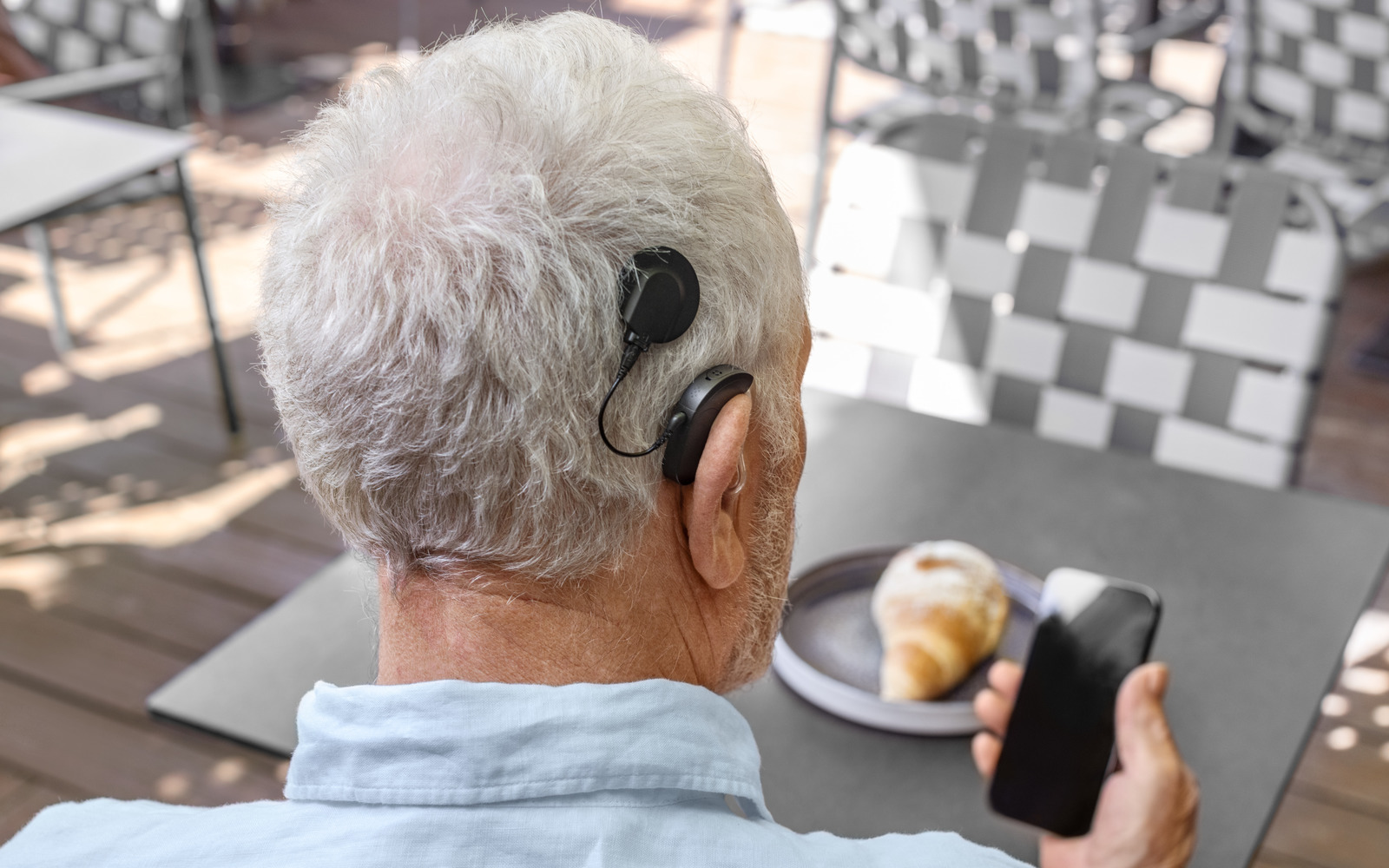
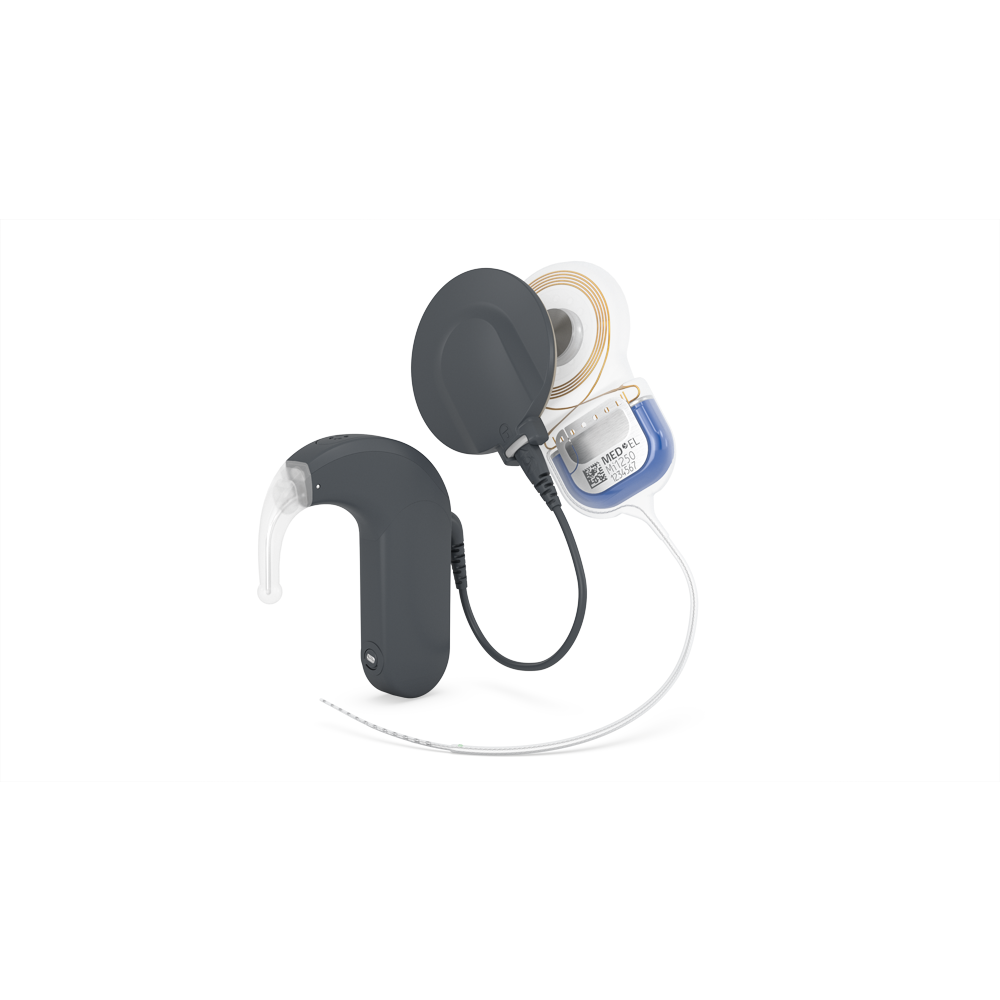
- Cochlear implants: For individuals with severe to profound hearing loss who do not benefit sufficiently from hearing aids, cochlear implants offer a surgical solution. These devices bypass damaged parts of the inner ear and directly stimulate the auditory nerve, providing a sense of sound.
- Other implantable hearing solutions: Beyond cochlear implants, other implantable devices may be suitable for specific types of hearing loss, offering tailored auditory rehabilitation.
While an online hearing test can offer an initial indication of potential hearing issues, it is crucial to remember that it is not a substitute for a professional audiological assessment. It can serve as a useful screening tool to prompt further investigation by a qualified professional.
Treatment Options Tailored to Hearing Loss Severity
The journey toward improved hearing is highly personalized, with treatment strategies meticulously aligned with an individual’s specific degree of hearing loss, unique communication needs, lifestyle, and the expert assessment of a hearing healthcare professional. There is no one-size-fits-all approach; rather, a spectrum of interventions is available to address varying levels of auditory impairment.
For Mild-to-Moderate Hearing Loss:
- Hearing Aids: This is often the primary and most effective solution. Advances in hearing aid technology have led to discreet, powerful devices capable of significant sound amplification and noise reduction. Features like directional microphones, Bluetooth connectivity, and advanced signal processing help individuals navigate everyday listening environments with greater ease. Custom-fit earmolds ensure comfort and optimal sound delivery.
- Assistive Listening Devices (ALDs): ALDs can be invaluable supplements to hearing aids, particularly in challenging listening situations. This category includes devices like personal amplifiers, neck loops for hearing aid compatibility with public address systems, and discreet ear-bud systems for personal listening.
- Communication Strategies: Learning and implementing effective communication strategies, such as facing the speaker, ensuring good lighting for lip-reading, and requesting clear speech, can significantly enhance understanding.
For Severe-to-Profound Hearing Loss:
- Cochlear Implants: When hearing aids are no longer sufficient, cochlear implants represent a transformative treatment option. These sophisticated medical devices bypass the damaged hair cells in the cochlea and directly stimulate the auditory nerve. The process involves surgical implantation of an internal device and the use of an external speech processor. While cochlear implants do not restore normal hearing, they can provide individuals with the ability to perceive sound and understand speech, significantly improving communication and quality of life. The rehabilitation process following implantation is crucial for optimizing outcomes.
- Other Implantable Hearing Solutions: Depending on the specific cause and type of hearing loss, other implantable devices may be considered. These could include middle ear implants, which are designed for individuals with moderate to severe sensorineural hearing loss or conductive hearing loss, and bone-anchored hearing systems, which transmit sound vibrations through the bone directly to the inner ear.
- Comprehensive Auditory Rehabilitation: Regardless of the technological intervention, a robust auditory rehabilitation program is essential. This typically involves speech therapy, listening strategies, and ongoing support to maximize the benefits of the chosen technology and adapt to a world of sound.
The selection of the "right solution" hinges on a multifaceted assessment that considers not only the audiological data but also the individual’s personal preferences, daily routines, and long-term communication goals. Close collaboration between the patient and their hearing care team is vital for achieving the most successful and satisfying outcomes.
Next Steps for Individuals Experiencing Any Degree of Hearing Loss
The most empowering message for anyone experiencing changes in their hearing is that support and effective solutions are readily available for individuals across the entire spectrum of hearing loss. The journey to better hearing health begins with proactive engagement and informed decision-making.

If you suspect any changes in your hearing, or if you have received hearing test results that you do not fully understand, taking decisive action is the most beneficial course. The following steps are recommended:
- Consult a Hearing Healthcare Professional: Schedule an appointment with a qualified audiologist or an ENT specialist. They possess the expertise to conduct thorough diagnostic evaluations, interpret your results accurately, and discuss the implications for your daily life. This professional consultation is the bedrock of effective hearing management.
- Understand Your Audiogram: Ask your audiologist to explain your audiogram in detail. Understanding the specific frequencies affected and the degree of loss at each frequency will provide clarity and empower you to ask informed questions about treatment options.
- Discuss Treatment Options: Engage in an open dialogue with your hearing healthcare provider about the various treatment modalities available. This includes discussing the pros and cons of different types of hearing aids, assistive listening devices, and, if appropriate, implantable solutions like cochlear implants. Consider your lifestyle, communication needs, and personal preferences during this discussion.
- Explore Rehabilitation Programs: Effective hearing rehabilitation is crucial for maximizing the benefits of any chosen intervention. Inquire about speech therapy, listening training, and support groups that can help you adapt to new hearing technologies and improve your communication skills.
- Seek Second Opinions if Necessary: If you feel uncertain or have lingering questions after your initial consultations, do not hesitate to seek a second opinion from another reputable hearing healthcare professional.
Understanding the degrees of hearing loss is the essential first step toward identifying the most appropriate and effective solutions to support your ongoing hearing health and enhance your quality of life. By taking informed action, individuals can navigate the challenges of hearing loss and reclaim their connection to the world of sound.
About the Author:
Dr. Yi Ge is a certified otolaryngologist. Since joining MED-EL in 2003, she has held various roles across clinical, regulatory, and medical affairs. Currently, Dr. Ge serves as the Senior Manager of Medical Affairs at MED-EL Innsbruck. Her work focuses on medical process assessment in support of product development and risk management. With deep knowledge of hearing implant systems and global regulatory requirements, Dr. Ge fosters patient-centered innovation in hearing healthcare.
© MED-EL Medical Electronics. All rights reserved. The content on this website is for general informational purposes only and should not be taken as medical advice. Contact your doctor or hearing specialist to learn what type of hearing solution suits your specific needs. Not all products, features, or indications are approved in all countries.