A Foundation Built on Auditory-Verbal Therapy
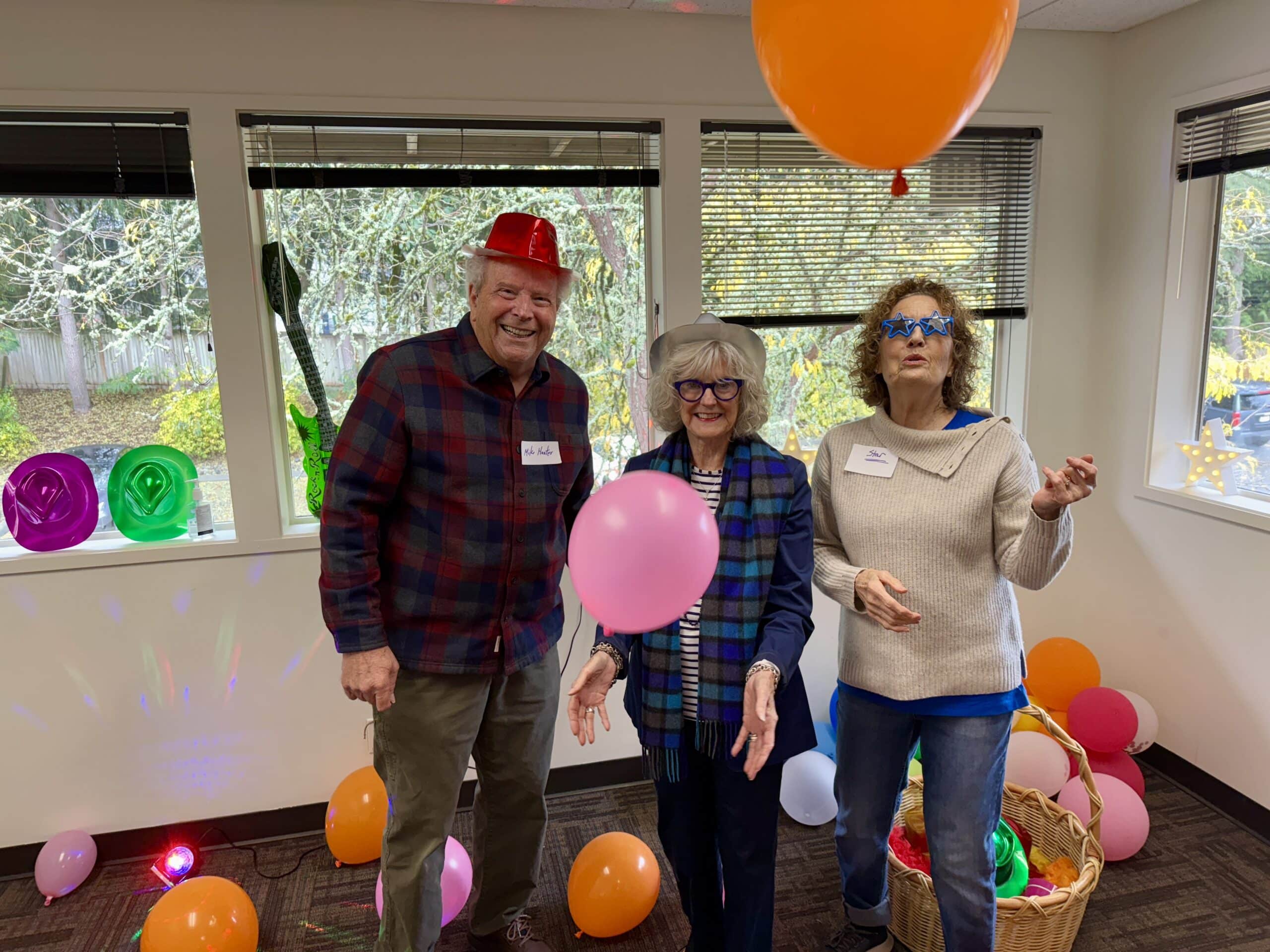
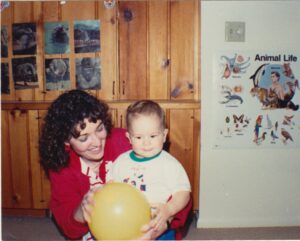
The history of Listen and Talk is a narrative of grassroots ambition meeting clinical expertise. Twenty-nine years ago, the organization began as a modest initiative in the home basement of Star Leonard-Fleckman, a teacher of the deaf and a specialized auditory-verbal therapist. Leonard-Fleckman’s objective was singular yet ambitious: to create an environment where children with hearing loss could acquire the skills to listen and speak, ultimately allowing them to navigate the hearing world without the necessity of an interpreter.
The efficacy of this model is rooted in the principles of auditory-verbal therapy (AVT). Unlike methods that rely heavily on visual cues or sign language, AVT emphasizes the use of advanced hearing technology—such as cochlear implants and digital hearing aids—coupled with intensive therapy to develop spoken language as the primary mode of communication. Over the past three decades, this approach has gained significant empirical support, with studies suggesting that early, high-quality auditory-verbal intervention can lead to language development outcomes that are on par with those of hearing peers.
Chronology of Growth and Service Expansion
Since its inception, Listen and Talk has undergone a significant operational transformation. What began as a boutique home-based service has evolved into a comprehensive resource center serving more than 200 families across Washington. The organization’s growth trajectory reflects the increasing demand for specialized, language-focused early intervention services:
- The Foundational Years: Initial focus on home-based, one-on-one therapy sessions, establishing the core auditory-verbal philosophy.
- Programmatic Diversification: The introduction of the Birth to Three Program, addressing the critical neurological window for language acquisition during the first 36 months of life.
- Educational Integration: The launch of the Blended Classroom Program, which integrates children with hearing loss into traditional educational settings, fostering social integration and self-advocacy.
- Technological and Outreach Evolution: Expansion into virtual services and statewide outreach, ensuring that families in remote areas have access to the same caliber of care as those in the Puget Sound region.
Today, the center’s multidisciplinary team provides a holistic suite of services, including audiology testing, speech-language pathology, and ongoing parent education. The organization’s ability to provide services in over thirty languages highlights a critical commitment to cultural and linguistic inclusivity, ensuring that the "language of the heart and home" remains preserved within the families they serve.

Data-Driven Success and the Inaugural Fundraiser
The recent Walk, Run, and Roll fundraiser provided a necessary injection of capital to sustain these programs. The event, which took place across multiple regional hubs including Edmonds, Woodinville, the Olympic Peninsula, and Green Lake, saw participation from a diverse demographic spanning ages one to 100.
Financial data from the event confirms a successful community mobilization. Initial reports indicate that the event raised over $10,000 in community donations. This total was subsequently matched in full by founder Star Leonard-Fleckman, pushing the fundraising total past the $26,000 threshold. These funds are designated for the organization’s core operating budget, specifically targeting:
- Subsidized therapy services for low-income families.
- The acquisition of the latest digital audiological equipment.
- The expansion of the parent-coaching curriculum, which empowers caregivers to become the primary facilitators of their child’s language development.
The success of this inaugural fundraiser serves as a fiscal indicator of the organization’s community support. In an era where non-profit funding can be volatile, the ability to mobilize a donor base across multiple geographic regions suggests a high level of institutional trust and a strong return on investment regarding the children’s long-term outcomes.
Official Perspectives and Institutional Legacy
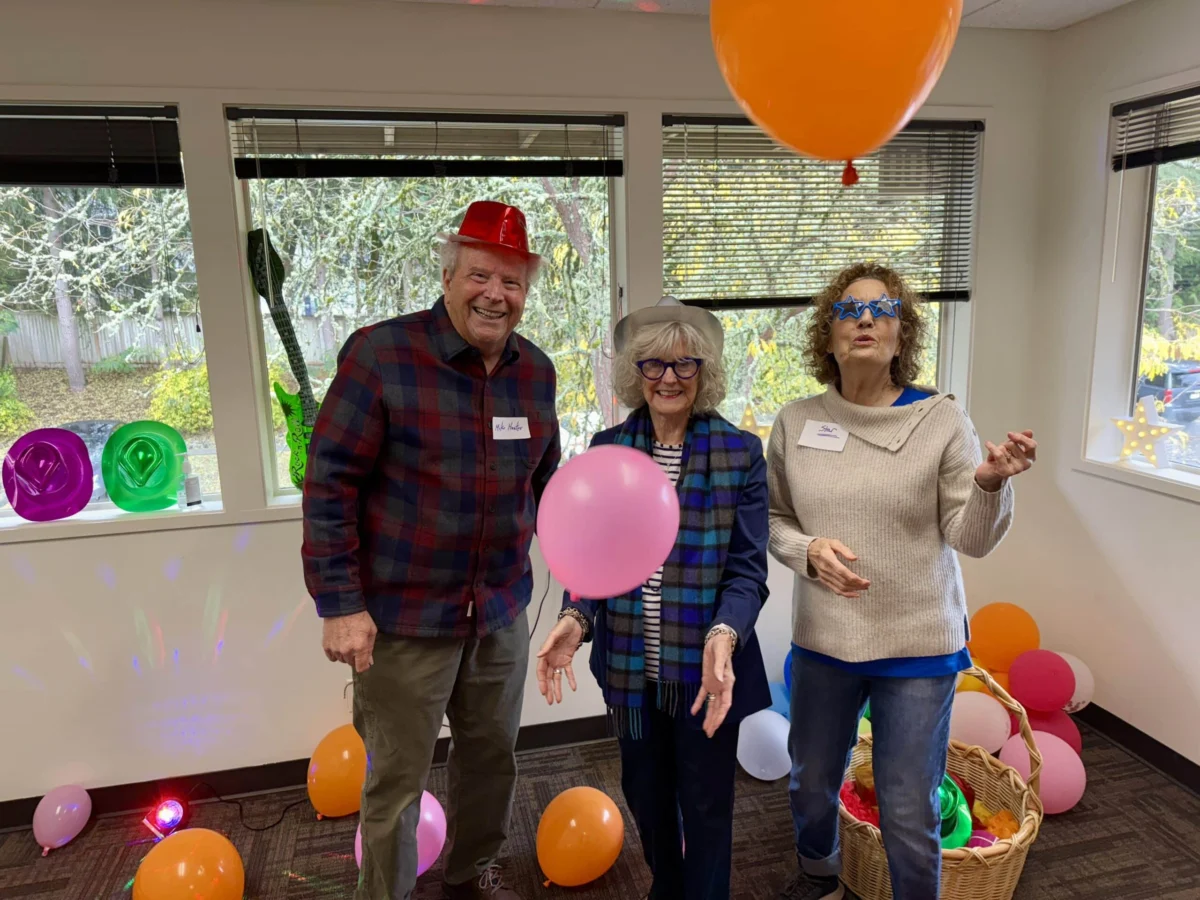
The celebration was characterized by an intergenerational dialogue, as current families, alumni, and former students—some of whom are now parents themselves—gathered in the Discovery Room at the Kirkland campus. For Executive Director Maura Berndsen, the event was a validation of the organizational longevity.
"Our goal has always been to provide children with the tools for self-advocacy," Berndsen noted during the event. "When we see alumni return with their own children, it confirms that the skills we teach—reasoning, thinking independently, and communicating with clarity—are not just childhood milestones, but lifelong assets."
The highlight for many attendees was the "Story Time with Star," an interactive reading session led by Leonard-Fleckman. While ostensibly a simple children’s activity, the session serves as a practical demonstration of the auditory-verbal methodology. Through the use of expressive language and careful attention to the children’s response to her voice, Leonard-Fleckman showcased the seamless integration of technology and pedagogy. The presence of alumni, such as Katharine Wile, who returned to the facility with her own child, provided a living testament to the efficacy of the program’s long-term impact.
Broader Implications for Early Intervention
The work performed by Listen and Talk occupies a vital niche in the broader public health and education landscape. With roughly 2 to 3 out of every 1,000 children in the United States born with a detectable level of hearing loss in one or both ears, the demand for high-quality intervention is consistent.
The implications of the Listen and Talk model are significant: by emphasizing self-advocacy and spoken language, the organization reduces the long-term economic and social costs associated with hearing disability. When children are empowered to communicate their needs in a variety of settings without the constant requirement of an interpreter, they demonstrate higher rates of integration in general education classrooms and, eventually, in the workforce.
Furthermore, the organization’s emphasis on parent education acknowledges that the most effective intervention occurs within the home. By teaching parents how to manage hearing devices and create a language-rich environment, the organization ensures that therapy is not confined to the clinic, but is instead integrated into the daily fabric of the child’s life.

Looking Toward the Future
As Listen and Talk enters its third decade, the focus remains on scaling its impact without diluting the quality of its individualized services. The expansion of the Blended Classroom Program and the continued refinement of virtual outreach suggest an organization that is preparing for a future defined by both physical and digital accessibility.
The Founder’s Day celebration was not merely a retrospective; it was a strategic mobilization. By connecting current families with the historical success of alumni, the organization is building a "knowledge community" that supports the next generation of students. As they look toward the next 29 years, the objective remains clear: to ensure that the barrier of hearing loss is effectively dismantled through the combination of advanced technology, expert clinical intervention, and the enduring power of human connection.
The success of the Walk, Run, and Roll campaign provides the necessary resources to continue these efforts, but the organization emphasizes that the mission is ongoing. As they continue to recruit volunteers, solicit donations, and expand their outreach, the core vision—that no child is limited by hearing loss—remains the driving force behind every therapy session, classroom lesson, and community event. The recent anniversary serves as a reminder that while the technology of sound may change, the fundamental human need to listen and to speak remains a universal priority, one that Listen and Talk is committed to fostering for years to come.