The Early Years and Foundation of Support
The journey began in infancy. When Kai was just four months old, he was diagnosed with bilateral sensorineural hearing loss, a condition where damage to the inner ear or the nerve pathways from the inner ear to the brain impedes auditory processing. Recognizing the necessity of immediate intervention, his family enrolled him in the Listen and Talk program at six months of age.
Listen and Talk, a specialized program focused on auditory-verbal therapy and inclusive education, provided the foundational framework for Kai’s communication skills. He remained with the program through his formative years, eventually completing the Blended Classroom PreK curriculum. This pedagogical approach, which integrates children with hearing loss into collaborative environments alongside their peers, was instrumental in fostering the social and communicative competencies that Kai relies on in his adult life. The program, founded by Star Leonard-Fleckman, emphasizes that with the right support, children with hearing loss can develop the necessary skills to integrate seamlessly into mainstream educational and social environments.
Clinical Context: Understanding Barakat Syndrome
While the initial diagnosis focused on hearing loss, the broader genetic context of Kai’s condition remained unknown until he reached the age of 12. At that time, medical testing identified the underlying cause as a GATA3 gene disorder, clinically known as Barakat Syndrome, or HDR syndrome.
Barakat Syndrome is a rare genetic condition characterized by a specific clinical triad: hypoparathyroidism (the under-functioning of parathyroid glands), sensorineural deafness, and renal disease. The GATA3 gene is critical for the development of several tissues, including the inner ear, the parathyroid glands, and the kidneys. Because of the multi-system nature of this syndrome, individuals diagnosed with it require a multidisciplinary medical approach, often involving endocrinologists, audiologists, and nephrologists to manage the varying symptoms. The identification of this condition provided Kai and his family with a clearer understanding of his unique health profile, allowing for more targeted long-term healthcare management.
Chronology of Growth and Achievement
Kai’s developmental path was defined by a consistent willingness to engage with challenges that might otherwise present significant barriers. His upbringing was marked by a diverse array of extracurricular pursuits, ranging from competitive sports to the performing arts.
- Infancy (Age 4-6 Months): Diagnosis of bilateral sensorineural hearing loss; commencement of early intervention services at Listen and Talk.
- Early Childhood: Participation in the Listen and Talk Blended Classroom program, focusing on auditory development and language acquisition.
- Adolescence (Age 12): Genetic testing reveals a GATA3 mutation, leading to a diagnosis of Barakat Syndrome (HDR).
- Secondary Education: Kai attends Renton High School, where he balances academic requirements with a burgeoning interest in theater, improv, and music.
- Graduation (June 2024): Completion of high school education.
- Post-Graduation: Relocation to Los Angeles, California, to pursue a professional career in the arts.
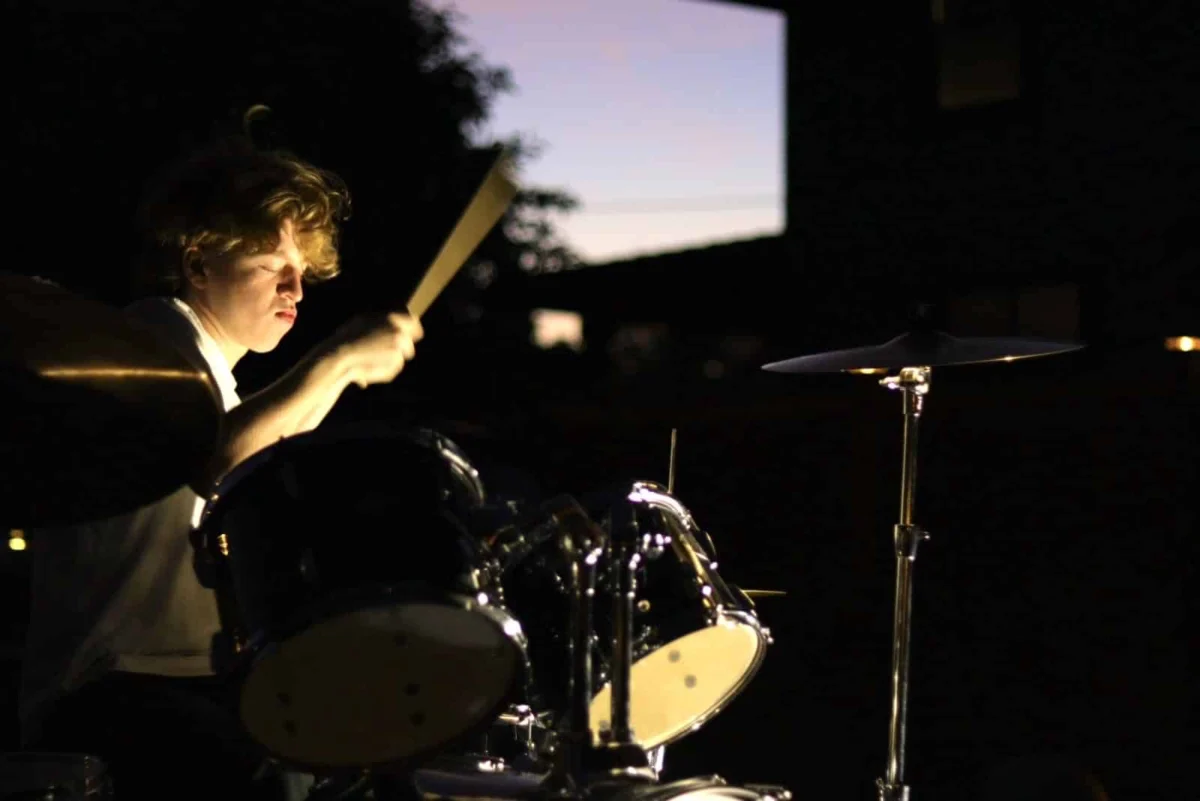
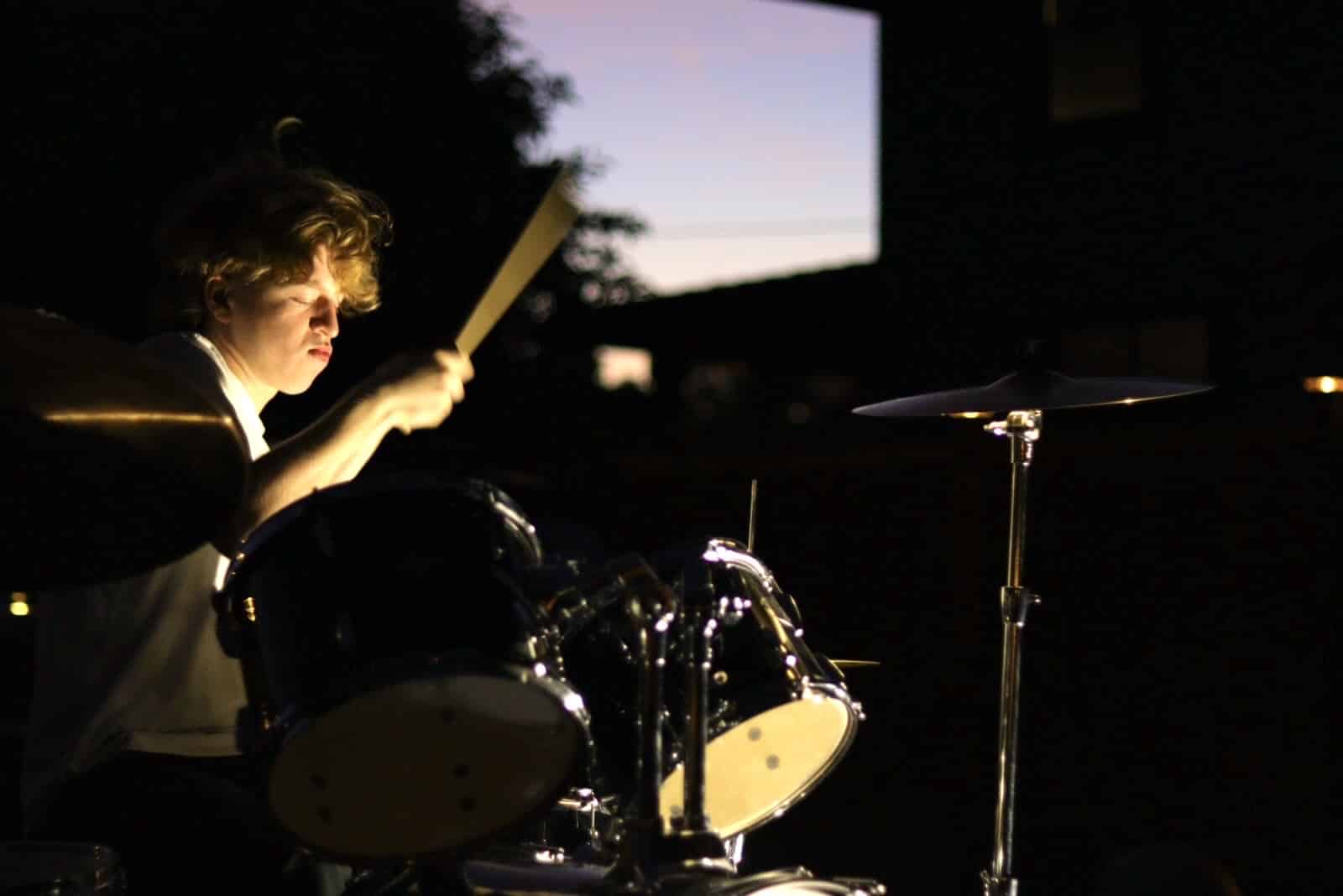
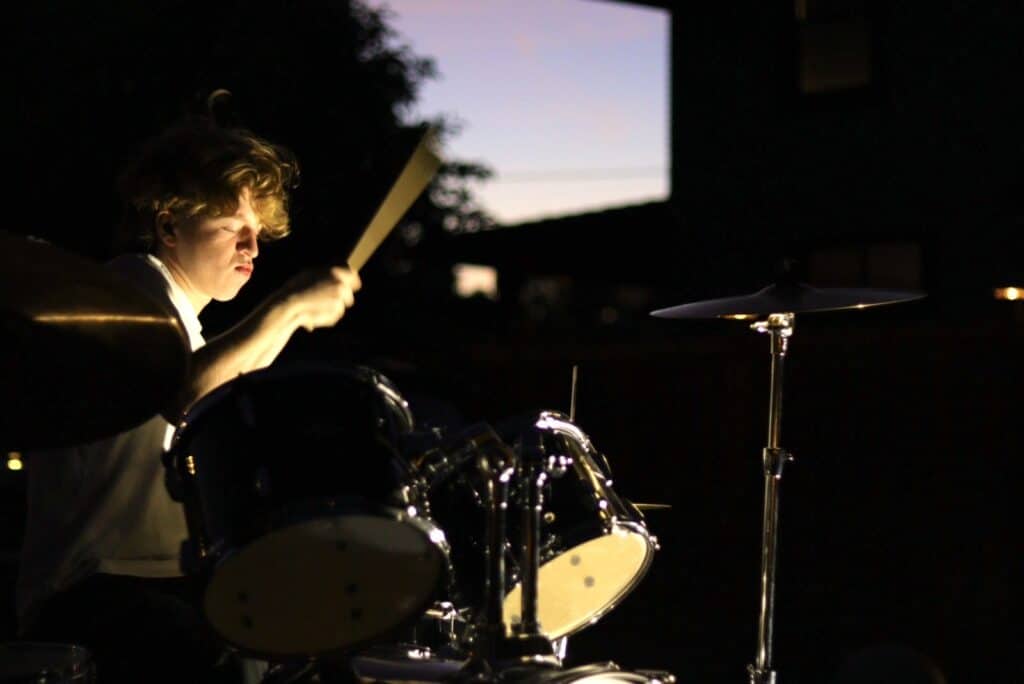
Throughout his secondary education, Kai demonstrated a high degree of artistic aptitude. He did not merely participate in school theater; he excelled, securing lead roles in multiple stage productions. Beyond acting, his self-directed mastery of the drums and guitar highlights a heightened capacity for creative expression, a testament to the auditory training he received during his early years.
Data on Early Intervention and Long-term Outcomes
The success of individuals like Kai Wendorf is supported by broader data regarding the benefits of early intervention for children with hearing loss. According to the Joint Committee on Infant Hearing (JCIH), children who receive auditory-verbal therapy and appropriate hearing technology before the age of six months show significantly higher rates of language development, often achieving parity with their hearing peers by the time they enter primary school.
The "Listen and Talk" model reflects a trend in modern audiological education that moves away from strictly isolating students with hearing loss. Instead, it promotes "auditory-verbal" therapy, which focuses on teaching children to listen and speak through the use of high-quality hearing technology, such as cochlear implants or hearing aids, in a natural, conversational environment. This methodology has been shown to reduce the need for specialized education services as students transition into middle and high school, provided the support remains consistent during the critical neuroplasticity windows of early childhood.
Reflections from the Family
The parents of Kai Wendorf emphasize that the transition from a child requiring specialized support to an independent adult pursuing a career in Los Angeles is a direct result of the "grounded sense of self" cultivated through early intervention. They note that the ability to advocate for oneself—a skill Kai honed through his years in the Listen and Talk program—has been the most valuable tool in his professional toolkit.
"Watching him grow into someone who continues to take risks, follow his interests, and create his own opportunities has been one of the great privileges of being his parent," his family stated in a recent retrospective. Their gratitude highlights the symbiotic relationship between specialized support services and the resilience of the individual.
Broader Implications and Future Advocacy
The implications of Kai’s journey extend beyond his personal success. His story illustrates that a diagnosis of a rare genetic disorder or sensorineural hearing loss is not a restrictive ceiling, but rather a starting point for specialized support. As the medical community continues to refine genetic testing and therapeutic interventions for conditions like Barakat Syndrome, the focus is shifting toward holistic support that addresses not just the clinical aspects of the condition, but the social and emotional well-being of the patient.
Furthermore, the "Alumni Family Giving Campaign" associated with the Listen and Talk program serves as a mechanism for institutional sustainability. By leveraging the success stories of former students, the organization aims to continue providing the financial and therapeutic resources necessary for future generations. The vision—that "no child is limited by hearing loss"—remains the driving force behind these initiatives.
Conclusion: The Path Ahead
As Kai continues to navigate the competitive landscape of the Los Angeles arts scene, he carries with him the lessons of his upbringing: that resilience is a learned behavior and that the limitations often placed on individuals with hearing loss are frequently societal, rather than inherent. His transition to professional life is a testament to the effectiveness of the support systems he accessed as a child and a reminder of the importance of early, consistent intervention. For the organizations and donors supporting these programs, Kai’s career is a tangible return on investment, validating the necessity of continued funding and advocacy for inclusive education.
In a world that often struggles to accommodate diverse neuro-sensory needs, Kai Wendorf’s story serves as a beacon of what is possible when early intervention meets individual ambition. His focus now remains on the stage and the screen, proving that while his journey began with a focus on "listening and talking," it is now defined by his capacity to be heard.