

A Chronology of Onset and Early Struggle
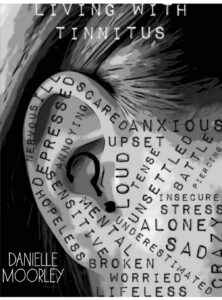
The onset of tinnitus is frequently associated with trauma, infection, or, as in Moorley’s case, physiological stress. For Moorley, the condition emerged abruptly around her 18th birthday, triggered by a severe dental infection. This experience, characterized by the sudden, uncontrollable onset of ringing in both ears, is a common hallmark for many patients. The initial phase of tinnitus is often the most harrowing; patients frequently report feelings of shock, disorientation, and a heightened state of "fight or flight" as the brain attempts to interpret the new, persistent auditory signal.
In the years following her diagnosis, Moorley faced a period of significant disruption to her daily life. The early stages were marked by a deterioration in sleep quality, fluctuating energy levels, and a pervasive sense of being "trapped" by the sound. This period of instability is not uncommon; studies have shown that the first 12 to 24 months after the onset of tinnitus are critical for habituation. Without adequate guidance or psychological intervention, many individuals fall into a cycle of anxiety where the focus on the tinnitus exacerbates the perceived volume and intrusiveness of the sound, a phenomenon often described as the "tinnitus-anxiety loop."

The Burden of Clinical Gaps
A significant factor in Moorley’s early struggle was the perceived lack of understanding within the healthcare sector. Many patients report feeling dismissed during their initial consultations, as tinnitus is an invisible symptom that cannot be measured by standard diagnostic equipment. This lack of validation can lead to secondary mental health challenges, including depression and generalized anxiety.
For those in the early stages of the condition, the absence of a clear roadmap for treatment often leaves patients seeking their own solutions. Moorley’s experience highlights a common deficiency in clinical support: the lack of comprehensive, multidisciplinary care. While her eventual access to Cognitive Behavioural Therapy (CBT) proved to be a turning point, many patients wait months or years to access such interventions, during which time their quality of life may significantly decline.
Data and Prevalence: A Global Health Concern
To understand the broader implications of Moorley’s story, it is necessary to examine the scale of the issue. According to data from the British Tinnitus Association (operating as Tinnitus UK), it is estimated that approximately one in seven adults in the UK experiences persistent tinnitus. Globally, prevalence estimates vary, but studies suggest that between 10% and 15% of the adult population suffers from some form of the condition.
The economic and social burden of tinnitus is substantial. Beyond the individual suffering, the condition contributes to lost productivity, increased pressure on primary care services, and a reliance on secondary mental health support. Researchers are currently investigating a wide array of potential interventions, ranging from sound therapy and hearing aids to neurostimulation and pharmaceutical trials. However, as the medical community continues to work toward a definitive cure, the current standard of care emphasizes "management" over "eradication."
The Role of Advocacy and Support Organizations
The intervention provided by Tinnitus UK, which proved vital for Moorley, functions as a secondary support system that bridges the gap between clinical appointments. By offering helplines, educational resources, and community forums, organizations like Tinnitus UK provide the psycho-educational support that is often missing from brief, 15-minute GP consultations.
Moorley’s engagement with the organization—first as a beneficiary of their helpline and later as a member—illustrates the transition from passive patient to active advocate. The psychological benefit of peer-to-peer connection cannot be overstated. When individuals realize they are part of a broader community, the stigma associated with the condition begins to dissipate. This shift in perspective is a clinical goal in itself; by reducing the emotional weight assigned to the sound, patients often report that their tinnitus becomes less bothersome, even if the actual volume remains constant.
Reclaiming Autonomy and Social Participation
One of the most encouraging aspects of Moorley’s journey is her return to social activities that were once overwhelming, such as attending concerts and large social gatherings. This process is known as habituation—a psychological process where the brain learns to filter out the tinnitus signal, treating it as background noise rather than a threat.
Moorley’s success in re-engaging with her hobbies, including photography and horse riding, serves as a blueprint for recovery. She emphasizes that the combination of CBT techniques and the moral support of friends allowed her to regain the confidence to move through environments that previously caused dizziness or distress. Her narrative suggests that while tinnitus may change one’s lifestyle, it does not necessarily have to end one’s pursuit of a full and active life.

Implications for Future Policy and Care
The trajectory of Moorley’s experience provides several key takeaways for healthcare providers and policy makers. First, there is an urgent need for better training for primary care practitioners to ensure that patients are validated and directed toward appropriate support services from the moment they report symptoms. Second, the integration of mental health support, such as CBT, should be a standard component of tinnitus care rather than an afterthought.
Furthermore, the growth of the Tinnitus UK membership base signifies a growing public demand for advocacy. As the organization continues to fund research and lobby for better clinical outcomes, the voices of members like Moorley are instrumental. They provide the human evidence required to secure funding for clinical trials and to raise awareness about the urgency of the condition.
Conclusion: A Call to Community
For those currently struggling with the onset of tinnitus, the advice provided by those with lived experience is consistent: seek out reliable information, engage with support networks, and understand that while the path to habituation is not linear, it is possible.
The story of Danielle Moorley is not just a personal account of overcoming a health challenge; it is a testament to the power of community-driven support. By turning her personal experience into a tool for advocacy, she has contributed to the collective mission of Tinnitus UK: to ensure that no one has to face the isolating reality of tinnitus in silence. As research into the neurological underpinnings of the condition continues to evolve, the importance of these support structures will remain paramount, ensuring that even as we search for a cure, the quality of life for those currently affected is prioritized and protected.