The Genesis of the Movement: Tinnitus Week 2026
The national conversation surrounding hearing safety in music venues reached a pivotal point in February 2026 during Tinnitus Week. The organization launched its comprehensive Amplifying Awareness report, a document that synthesized data and qualitative insights from across the music industry spectrum. By collating testimony from touring musicians, sound engineers, festival promoters, and dedicated fans, the report highlighted a stark reality: the current standard of live music exposure poses a cumulative risk that the industry has historically been slow to address.

The week of action culminated in the inaugural Quiet Night Out concert at London’s Union Chapel. This event served as a controlled, practical demonstration of "safe listening" protocols. By carefully managing sound levels and providing high-fidelity hearing protection options, organizers proved that the clarity and emotional resonance of a live performance remain intact—or are even enhanced—when the sound pressure levels (SPL) are managed with professional precision. This event acted as the blueprint for subsequent interventions throughout the 2026 festival season.
Chronology of Implementation: From Theory to the Field
The strategy shifted from indoor showcases to the high-stakes environment of outdoor festivals during the summer months. The chronology of these efforts illustrates a rapid scaling of safety measures:
- February 2026: Launch of the Amplifying Awareness report and the Quiet Night Out concert, setting the standard for safe listening advocacy.
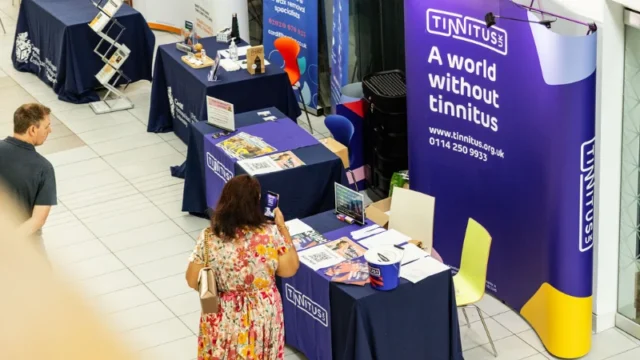
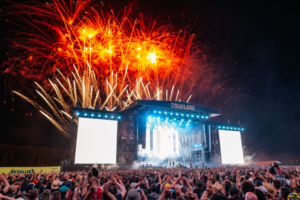
- Early Summer 2026: Engagement at Download Festival, where Tinnitus UK provided direct education to fans and staff regarding the mechanics of hearing loss and the efficacy of protective gear.
- August 2026: Deployment of advanced monitoring at ArcTanGent. In partnership with the Manchester Centre for Audiology and Deafness (ManCAD), the festival implemented specific guidelines inspired by the World Health Organization’s (WHO) Global Standard for Safe Listening.
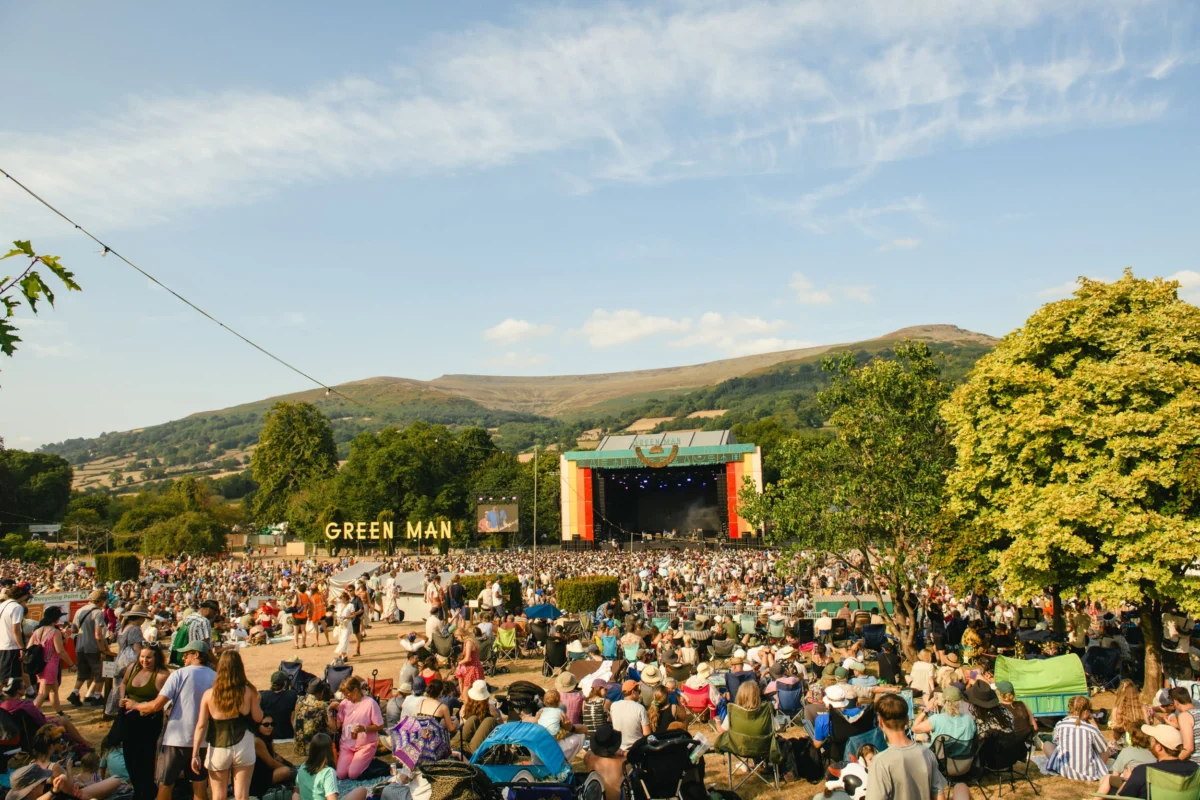
- Late Summer 2026: Continued integration at Shambala, Green Man, and Reading & Leeds, where the focus shifted toward audience autonomy and the normalization of personal protective equipment (PPE).
Data-Driven Insights: The Scale of the Challenge
The urgency of this initiative is supported by troubling statistics regarding the habits of modern concertgoers. Tinnitus UK data indicates that approximately 92% of regular gig-goers report temporary tinnitus—the ringing or buzzing in the ears—following a live music event. More concerning is the finding that 40% of those individuals report that the sensation persists, suggesting that a significant portion of the audience is suffering from permanent, noise-induced auditory damage.
The physics of these environments often place attendees in the path of sound levels frequently exceeding 100 decibels. For context, exposure to such levels without protection can cause damage within minutes. By advocating for the use of high-fidelity filtered earplugs, the initiative aims to reduce the decibel load reaching the eardrum while maintaining the frequency response necessary for a high-quality musical experience. Unlike traditional foam plugs, which can muffle sound, modern high-fidelity filters lower the volume uniformly, preserving the balance and detail of the performance.
Scientific Perspectives and Industry Standards
The collaboration between the Manchester Centre for Audiology and Deafness (ManCAD) and festival organizers represents a bridge between clinical research and public entertainment. Dr. Samuel Couth of ManCAD has been vocal regarding the necessity of this shift. According to Dr. Couth, the goal is to standardize a culture of safety. "We want to put hearing health into practice, while recognizing that enjoying loud music and protecting your hearing don’t have to be mutually exclusive," he noted.
The implementation at ArcTanGent was perhaps the most rigorous test of these standards. It included not just monitoring sound levels, but also re-evaluating sound system design and providing designated "quiet zones" where staff and attendees could allow their ears to recover from prolonged exposure. This holistic approach recognizes that sound exposure is cumulative; a three-day festival requires a different management strategy than a single two-hour concert.
Official Responses and Institutional Buy-in
Independent festivals like Shambala have been at the forefront of adopting these measures, viewing them as an essential component of their duty of care. The Shambala team, known for its focus on community and creative integrity, has integrated mandatory hearing protection requirements for staff working in close proximity to PA systems, alongside clear warning signage for the general public.
In a formal response, representatives from Shambala emphasized the long-term sustainability of the music scene: "Looking after our hearing means we can keep enjoying, and making, music for years to come. We hope it’s a useful reminder that looking after your ears and throwing yourself into live music can absolutely go hand in hand."
The testimonials from festival-goers further underscore the impact of this advocacy. One attendee, who has managed mild tinnitus for two decades, reported that adopting simple habits—such as wearing earplugs and maintaining a greater distance from speaker arrays—has resulted in near-complete relief from the persistent ringing. This change has allowed the individual to continue their creative pursuits in music production with improved clarity and reduced anxiety regarding the long-term viability of their hearing.
Broader Implications for the Live Music Industry
The implications of this movement extend far beyond the 2026 festival season. As awareness grows, the industry faces pressure to adopt more formal standards for sound monitoring and public health communication. The "safer listening" narrative is increasingly being viewed as a professional responsibility, comparable to the industry-wide focus on crowd safety, fire regulations, and accessibility.
At major events like Reading & Leeds, the focus has been on "informed choice." The objective is not to discourage attendance or advocate for a reduction in volume to the point of compromising the artistic intent of the performers. Instead, the goal is to empower fans to protect their own long-term health. Education regarding the dangers of cumulative exposure is critical, especially for younger demographics who are at the beginning of their concert-going years.
Furthermore, the integration of hearing health into the festival experience provides a blueprint for venue operators, nightclub owners, and touring production teams. If large-scale, high-decibel festivals can successfully implement WHO-aligned standards, it establishes a precedent that smaller venues may soon be expected to follow.

Conclusion: A Sustainable Future for Live Sound
The movement led by Tinnitus UK, in collaboration with academic institutions and festival organizers, marks a critical turning point in how society views the intersection of entertainment and health. By replacing the stigma surrounding ear protection with a culture of proactive, informed safety, the industry is working to ensure that the live music experience remains sustainable.
As the 2026 season concludes, the consensus remains clear: protecting one’s hearing is not an act of withdrawal, but an act of longevity. By normalizing the use of high-fidelity protection, taking frequent breaks, and demanding better sound management from event organizers, fans and professionals alike are helping to ensure that the music they love today does not cost them the ability to hear it tomorrow. The success of this year’s initiatives proves that when the industry prioritizes the well-being of its audience, the music—and the community that supports it—only gets stronger.