The Evolution of Hearing Health at Live Events
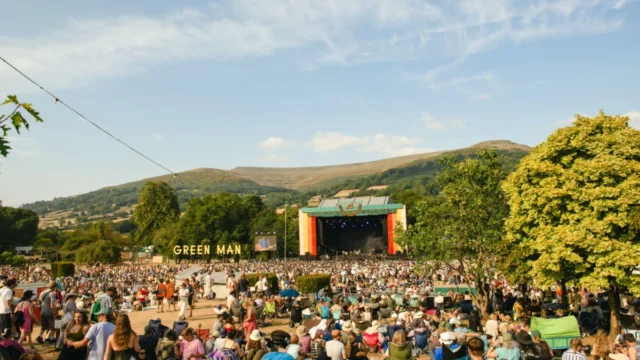
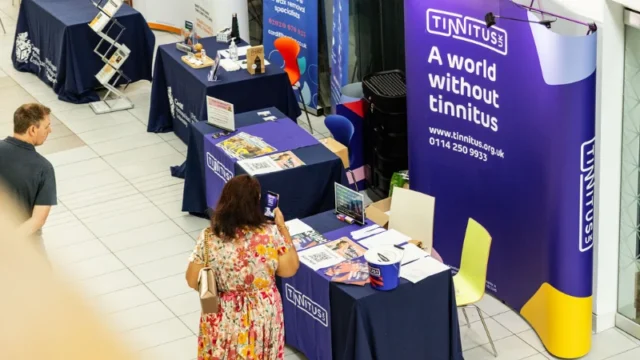
The journey toward this landmark integration began long before the gates opened in the Mendips. It follows a strategic progression of advocacy that gained momentum during Tinnitus Week 2026, where public discourse regarding noise-induced hearing loss (NIHL) reached a fever pitch. This was bolstered by Tinnitus UK’s high-profile appearance at Download Festival earlier in the summer, where the conversation around "safe listening" was introduced to a massive, mainstream rock and metal audience.
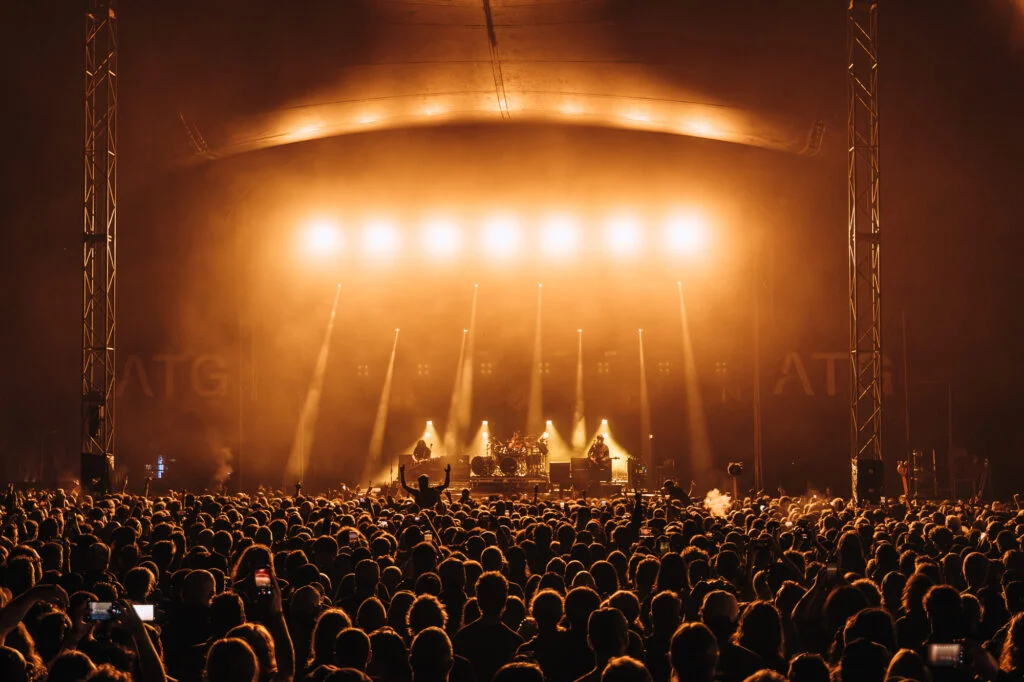
ArcTanGent was selected as the testing ground for these protocols due to its unique demographic—a highly passionate, music-literate fanbase accustomed to complex, often abrasive, and technically demanding soundscapes. The festival, which hosts thousands of attendees across four stages, serves as an ideal environment for testing the practical application of sound level monitoring and audience engagement strategies. The goal was to determine if hearing conservation measures could be seamlessly woven into the festival fabric without disrupting the immersive quality of the performances.
Implementing the WHO Global Standard
The WHO’s Global Standard for Safe Listening at Venues and Events provides a comprehensive framework for reducing the risks of hearing damage. At ArcTanGent, the implementation focused on four critical pillars: sound system design, active monitoring, staff training, and the accessibility of personal protective equipment (PPE).
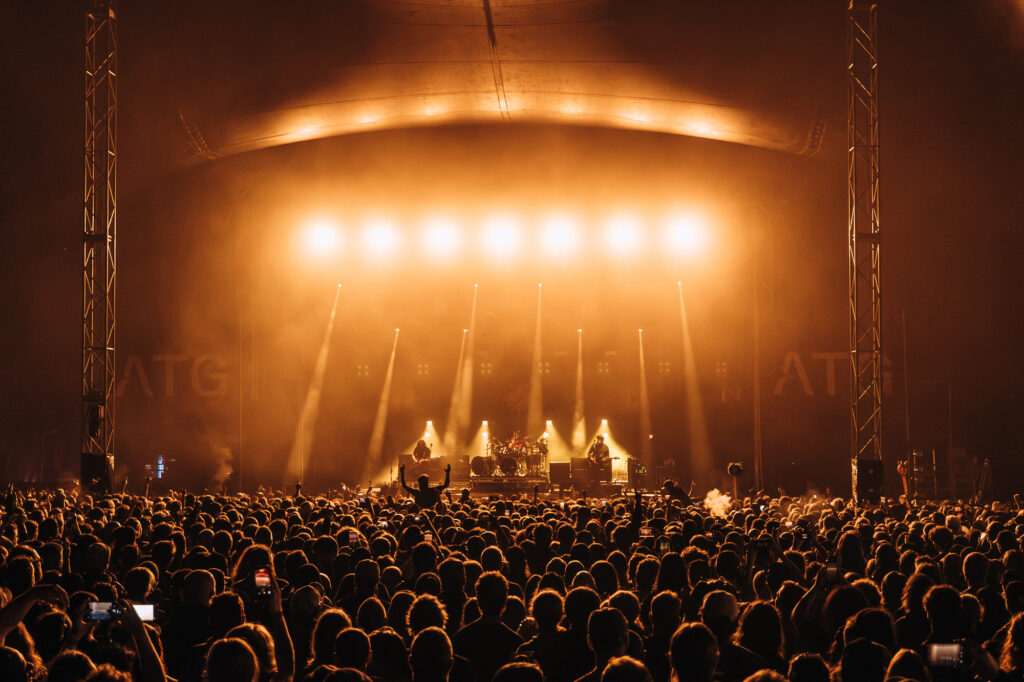
Working in tandem with sound engineers, the festival adjusted its technical output to adhere to recommended decibel limits while maintaining the clarity and power expected by fans of extreme metal and post-rock. This was not a reduction in volume for the sake of quietude, but a calibration effort designed to optimize the listening experience. To facilitate this, the HEAL (Hearing Education and Awareness for Lifelong hearing) initiative provided rigorous training for festival staff, ensuring that everyone from stage managers to security personnel understood the importance of monitoring sound levels and could effectively communicate the value of ear protection to the audience.
Accessibility played a central role in the operational strategy. Free foam earplugs were stationed prominently at the barriers of every stage, ensuring that even those who arrived unprepared had the tools necessary to protect their hearing. Furthermore, high-fidelity earplugs—which attenuate sound levels without sacrificing frequency balance—were made available for purchase at the primary merchandise stands and the Metal For Good tent, catering to attendees who prioritize sound quality alongside safety.
Quantitative Observations and Audience Reception
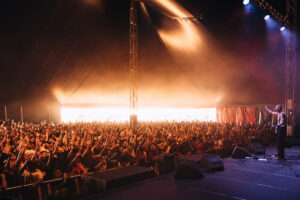
Data gathered by researchers from ManCAD during the festival provides a compelling snapshot of current attitudes toward hearing health. On-site observers reported that more than 50% of the audience was actively utilizing some form of hearing protection, with that percentage notably increasing as attendees moved closer to the stage. This suggests that the stigma once associated with wearing earplugs at live events is rapidly eroding, particularly among younger, highly engaged music fans.
The research team conducted qualitative interviews with a broad cross-section of the festival ecosystem, including sound technicians, touring artists, production staff, and attendees. These interviews were designed to gauge the "practicality" of the WHO standards. Feedback was overwhelmingly positive, with many technicians noting that modern sound reinforcement technology allows for a high-impact experience that remains within safe limits if managed with precision.
Dr. Samuel Couth, a Lecturer at ManCAD, emphasized the broader necessity of this research. "Live music is a cornerstone of cultural identity," Dr. Couth noted. "Our mandate is to ensure that this cultural pillar remains sustainable. By demonstrating that high-energy, loud music can coexist with proactive hearing conservation, we are establishing a new baseline for the entire live events sector."
The Economic and Physiological Implications
The implications of the ArcTanGent trial are significant for the wider music industry. According to the WHO, over 1 billion young adults are at risk of permanent hearing loss due to unsafe listening practices in recreational settings. The economic burden of hearing loss, which includes healthcare costs and lost productivity, is substantial. By normalizing hearing protection, festivals can mitigate these long-term societal costs while enhancing the quality of the concert experience.
Analysis of the festival’s sound management suggests that when systems are balanced correctly, the listener experiences less "ear fatigue"—a common phenomenon where the ears lose the ability to distinguish between frequencies after prolonged exposure to high-pressure sound waves. By implementing sound level monitoring, the festival effectively allowed audiences to stay at the front of the stage for longer durations without the onset of the temporary threshold shift (TTS) that often results in the muffled hearing or ringing (tinnitus) associated with post-gig exhaustion.
Future Perspectives: A New Industry Standard
The success at ArcTanGent is expected to serve as a blueprint for other UK festivals in the coming years. Industry analysts suggest that we are reaching a turning point where hearing health will be treated with the same institutional importance as crowd safety, fire regulations, and accessibility for disabled patrons.
The strategy employed by Tinnitus UK and the festival organizers suggests that the path forward is not through prohibition or volume caps that diminish the artistic intent of the bands, but through education and infrastructure. By treating earplugs as an essential festival accessory—similar to a rain poncho or a wristband—the organizers have reframed hearing health as a component of "smart" concert-going.
As the industry looks toward the 2027 festival season, the conversation is shifting from "if" these measures should be implemented to "how" they can be scaled. The collaboration between ManCAD and the festival sector is already expanding, with new research initiatives planned to monitor the long-term efficacy of these interventions.
Conclusion: Sustaining the Music Culture
The overarching message from the 2026 ArcTanGent festival is one of coexistence. The passion for loud, experimental music is not an antagonist to hearing health; rather, it is the primary reason why such protection is vital. For the thousands of fans who traveled to the Mendips, the weekend served as a demonstration that one does not need to compromise on the visceral impact of live music to ensure that they can continue to attend shows for decades to come.
As the live music industry continues to recover and innovate, the integration of the WHO’s safe listening standards appears to be a necessary evolution. For the average gig-goer, the takeaway is simple: the next time you prepare for a festival, ensure your hearing protection is packed alongside your tickets. It is a small adjustment that ensures the music—and the culture that surrounds it—remains a sustainable, lifelong experience. The success of ArcTanGent has proven that the loudest of environments can indeed be managed, and in doing so, it has provided a roadmap for a safer, more sustainable future for live music in the United Kingdom and beyond.