The Critical Window: Early Detection and Intervention
Sensorineural hearing loss is the most common sensory deficit in newborns, occurring in approximately one to three per 1,000 live births in the United States. The medical consensus regarding this condition has shifted significantly over the past three decades due to the implementation of universal newborn hearing screening (UNHS). Amalia’s case follows the gold standard of modern pediatric audiology: detection, followed by rapid intervention.
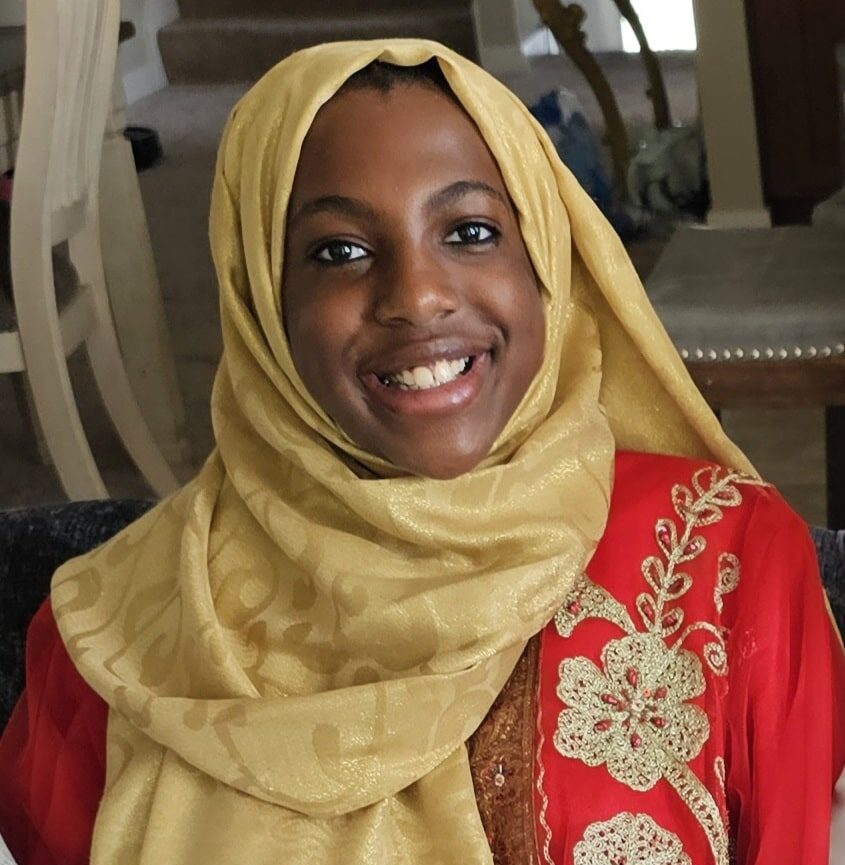
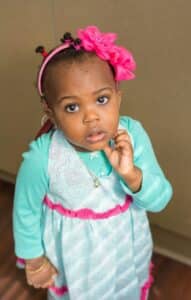
Amalia received her cochlear implants at just 10 months of age. This timeframe is crucial; neuroplasticity—the brain’s ability to reorganize itself by forming new neural connections—is at its peak during the first three years of life. By providing auditory access during this period, medical professionals and interventionists at organizations like Listen and Talk can help children develop the neural pathways necessary for spoken language acquisition. Research published by the American Academy of Pediatrics indicates that children who receive intervention before six months of age demonstrate significantly better language development compared to those who receive support later.
Chronology of Development
The developmental timeline for children with hearing loss typically requires a structured, multidisciplinary approach. For Amalia, the progression began with the "Birth to Three" program, an intensive period where interventionists focused on auditory-verbal therapy. During this phase, the primary goal was to teach Amalia how to process sound through her implants, effectively "learning to listen" before she could master the complexities of verbal communication.
Following the initial intervention, Amalia transitioned into a "Blended Classroom." This model is designed to prepare students for the general education environment by integrating children with hearing loss into classrooms alongside their typically hearing peers. By bridging the gap between specialized therapy and mainstream social interaction, the program provided Amalia with the academic and social scaffolding required to navigate school life. This transition is often considered the most difficult hurdle for students with hearing loss, as it requires them to maintain focus in acoustically challenging environments while keeping pace with a standard curriculum.
Data-Driven Success in Mainstream Education
The transition to a general education classroom is a major milestone for students with hearing loss. National data suggests that with early intervention, a high percentage of children with hearing loss are now able to attend mainstream schools, participate in extracurricular activities, and pursue higher education.
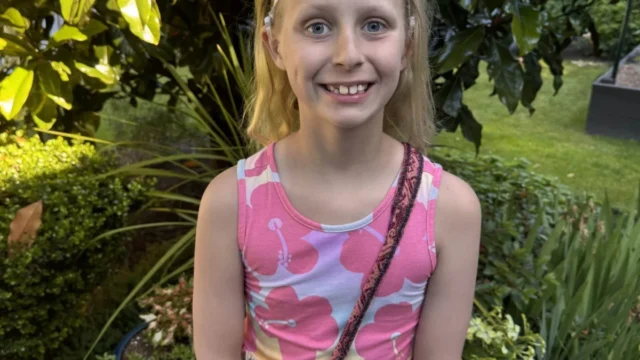
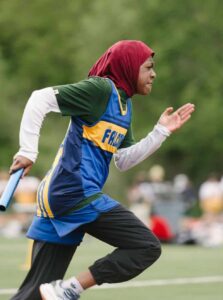
Amalia’s success in academics and her active participation in sports—specifically swimming, track and field, and basketball—are not merely personal achievements; they are metrics of successful rehabilitation. Sports participation is a vital indicator of social integration for children with hearing loss, as it requires team communication, spatial awareness, and the ability to follow instructions in high-noise environments. The confidence Amalia demonstrates in these arenas is a direct outcome of the speech and language proficiency she gained through her early years of training. Her ability to thrive in these settings serves as evidence that, with the right support, the "limitations" once associated with hearing loss can be effectively bypassed.
The Role of Institutional Support
Listen and Talk, the organization that facilitated Amalia’s development, operates on a model that emphasizes family-centered care. This approach recognizes that the primary interventionists in a child’s life are the parents. By training parents to foster a language-rich environment at home, the organization creates a consistent, 24/7 learning atmosphere that cannot be replicated in a clinical setting alone.
The financial and social sustainability of such programs often depends on community and alumni engagement. The launch of the 2026 Alumni Family Giving Campaign represents an effort to ensure that the resources Amalia utilized remain available for the next generation of children with hearing loss. As the demand for specialized pediatric audiological services continues to grow, the importance of these campaigns cannot be overstated. They provide the necessary capital to update diagnostic equipment, train staff in the latest auditory-verbal techniques, and subsidize tuition for families who might otherwise be unable to afford comprehensive care.
Analysis: Beyond the Clinical Setting
The implications of Amalia’s journey extend beyond her individual success. The broader impact of such programs is the reduction of long-term economic and social costs associated with hearing loss. When children are equipped with the skills to communicate effectively, the need for specialized long-term support services decreases, and their potential to contribute to the workforce increases.
Furthermore, the integration of students with hearing loss into general education classrooms fosters a more inclusive culture. When children like Amalia participate in athletics and academics alongside hearing peers, it normalizes neurodiversity and helps dismantle the stigma often associated with hearing aids or cochlear implants. The social skills Amalia developed are as significant as her linguistic ones; they allow her to advocate for her needs and navigate social hierarchies with a level of confidence that is often underestimated in the context of disability.
Official Perspectives and Future Outlook
While specific statements from current directors at Listen and Talk regarding individual alumni are typically kept private to ensure confidentiality, the organization’s mission remains clear: "No child is limited by hearing loss." This vision is supported by a growing body of evidence that suggests that early, aggressive intervention—combined with the active involvement of family—can lead to outcomes that are indistinguishable from those of hearing peers.
Looking forward, the integration of artificial intelligence in speech processors and improvements in surgical techniques for cochlear implants will likely continue to improve outcomes for children like Amalia. However, technology remains only half the battle. As Amalia’s story demonstrates, the human element—the therapy, the coaching, and the unwavering belief in a child’s potential—is what ultimately determines success.
As Amalia continues her education and pursuits in athletics, her path stands as a testament to the power of specialized, early intervention. Her story is not just one of overcoming a challenge, but one of thriving despite the initial biological barrier. By supporting initiatives like the Alumni Family Giving Campaign, the community ensures that the foundation provided to students like Amalia continues to be a cornerstone for future success. The success of one individual, when analyzed within the context of early intervention statistics, reinforces the necessity of prioritizing pediatric audiological health on both a public and private scale. Through continued investment and institutional support, the barrier of hearing loss is steadily being redefined from a life-altering disability to a manageable condition that does not define the limits of a child’s future.