The Foundation of Early Intervention
The diagnostic process for hearing loss in infancy is a pivotal moment for families. In Wendorf’s case, his diagnosis at four months old placed him on an immediate path toward specialized habilitation. At six months, he began his long-standing association with Listen and Talk, an organization dedicated to helping children who are deaf or hard of hearing develop spoken language and communication skills.
Wendorf’s participation in the program extended through the Blended Classroom PreK model. This specific educational approach is designed to integrate children with hearing loss into a social and learning environment that mirrors the broader community, allowing them to hone the advocacy and communication skills necessary for success in traditional academic settings. By the time he transitioned to elementary school, the groundwork for his future social and cognitive development had been firmly established.
Clinical Context: Navigating Barakat Syndrome
The narrative of Wendorf’s health took a complex turn when he was 12 years old. Following a period of investigation into the underlying causes of his hearing loss, his family received a diagnosis of Barakat Syndrome, also medically recognized as HDR syndrome.
Barakat Syndrome is a rare genetic condition caused by a haploinsufficiency of the GATA3 gene, which is essential for the development of the parathyroid glands, the auditory system, and the kidneys. The syndrome is clinically defined by a triad of symptoms: hypoparathyroidism, sensorineural deafness, and renal (kidney) disease. The identification of this condition provided the Wendorf family with a clearer roadmap for long-term health management.
Medical experts note that while the condition presents significant lifelong challenges, early diagnosis allows for proactive management of the renal and endocrine systems, which is vital for preventing systemic complications. Wendorf’s transition into adolescence, coinciding with this diagnosis, further underscores his resilience, as he balanced specialized medical care with his burgeoning interests in extracurricular activities.
Chronology of Development and Artistic Pursuit
Wendorf’s growth from a young boy in early intervention services to an aspiring professional artist in Los Angeles follows a clear, ambitious trajectory:
- Infancy (4–6 months): Initial diagnosis of bilateral sensorineural hearing loss and commencement of the Listen and Talk program.
- Early Childhood: Completion of the Blended Classroom PreK program, establishing foundational communication and self-advocacy skills.
- Adolescence (Age 12): Genetic diagnosis of Barakat Syndrome, shifting the focus toward long-term systemic health management.
- High School Years: Active participation in athletics, followed by a pivot toward the performing arts, including improv training and securing lead roles in stage productions.
- June 2024: Graduation from Renton High School and subsequent relocation to Los Angeles to pursue a professional career in the arts.
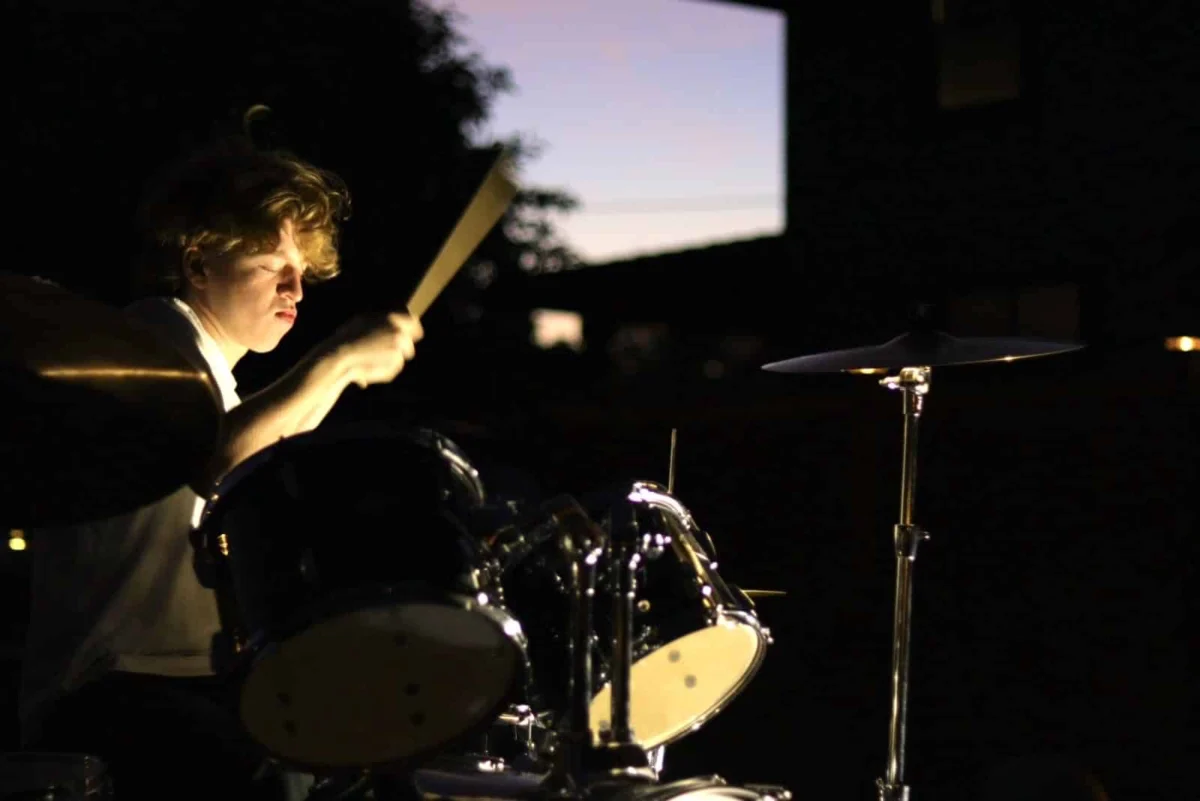
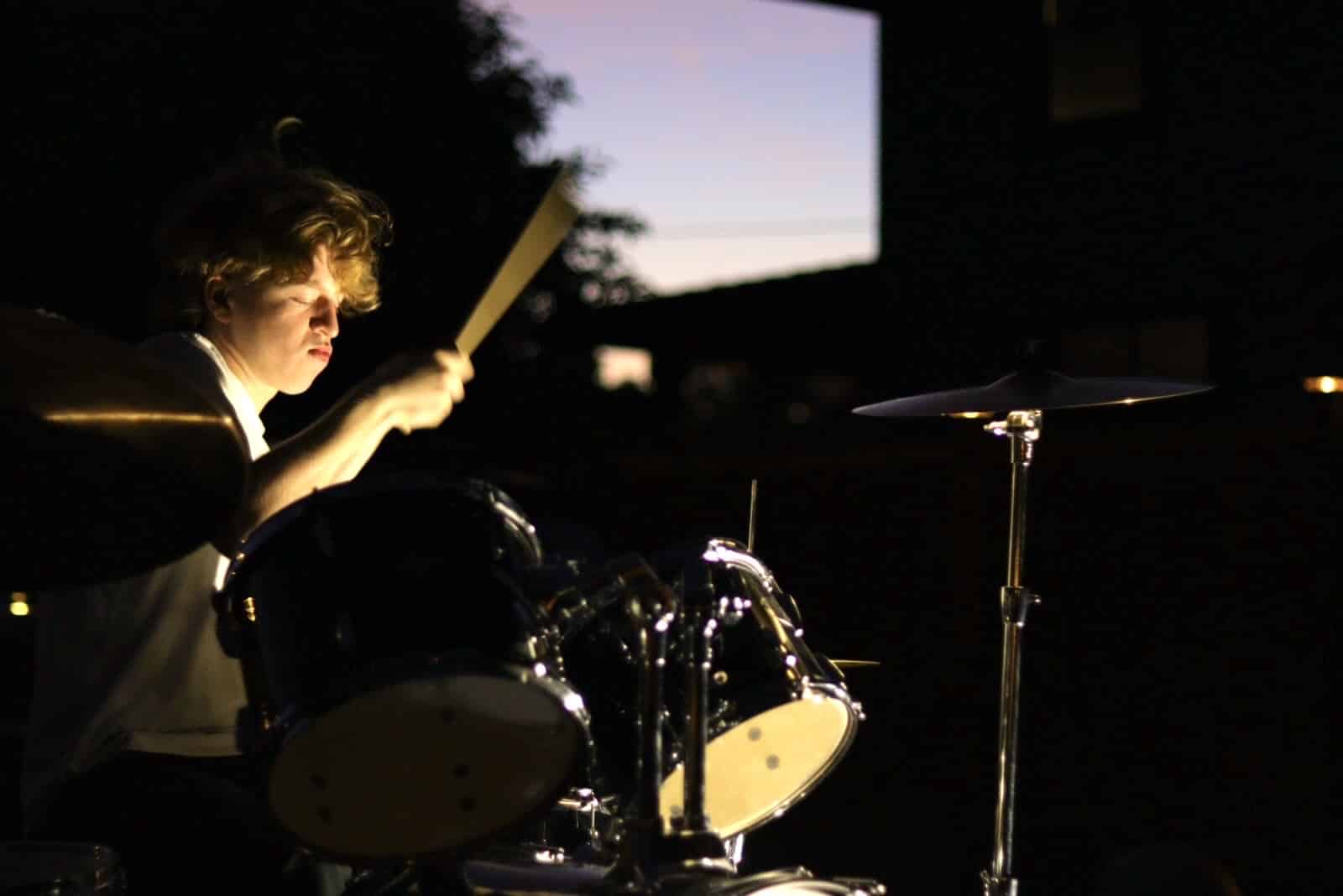
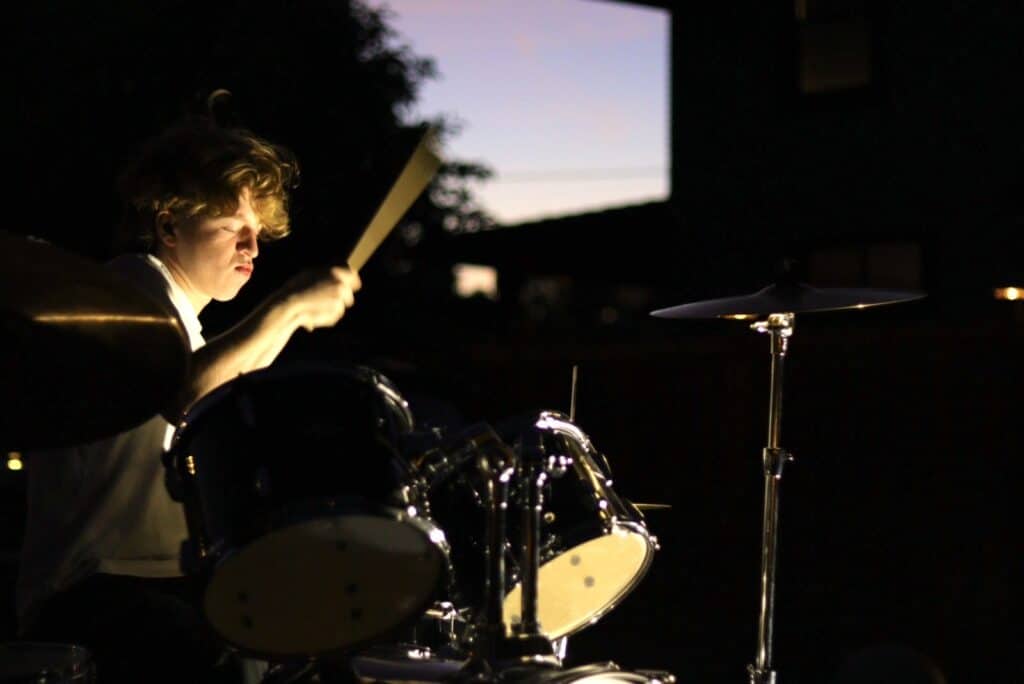
Throughout these years, Wendorf’s development was characterized by a willingness to engage in high-risk, high-reward activities. His self-taught proficiency in both drums and guitar serves as a testament to his ability to adapt his sensory perception and master complex artistic disciplines despite his hearing profile.
The Role of Advocacy and Social Integration
A recurring theme in Wendorf’s journey is the concept of "advocacy in a hearing world." The pedagogical approach employed by organizations like Listen and Talk emphasizes that a diagnosis of hearing loss does not necessitate withdrawal from mainstream society. Instead, it requires the mastery of communication tools—whether through advanced hearing technology, speech therapy, or interpersonal social skills—that allow the individual to navigate any environment with confidence.
Wendorf himself has noted the psychological significance of community. "Listen and Talk showed me that in a world where it feels like there aren’t many people like me, I am not alone," he reflected. This sense of belonging is a well-documented factor in the successful transition of individuals with disabilities into independent adulthood. It fosters a self-actualization that allows the individual to perceive their hearing loss not as a limitation, but as a facet of their identity that they are equipped to manage.
Data-Driven Perspectives on Early Intervention
The success of programs like the one Wendorf attended is supported by broader data regarding the "critical period" of neuroplasticity. According to the National Institute on Deafness and Other Communication Disorders (NIDCD), children who receive early intervention services—typically before the age of six months—demonstrate significantly better language outcomes compared to those who do not.
The integration of these children into "blended" or mainstream classrooms, as Wendorf was, is linked to improved self-esteem and social integration. Research indicates that when children with hearing loss are supported in environments that emphasize spoken communication and peer interaction, they are more likely to pursue higher education and professional careers in fields that require high levels of social interaction, such as the performing arts.
Parental and Institutional Impact
The role of the family unit in Wendorf’s development cannot be overstated. His parents have characterized the process of watching him grow as a privilege, noting that the combination of his internal drive and the support structure provided by his early education gave him the tools to advocate for his own needs.
For institutions, the success of an alumnus like Wendorf serves as an important metric of program efficacy. It shifts the focus from purely clinical outcomes to longitudinal life successes. By continuing to support their alumni, programs like Listen and Talk maintain a "continuum of care" that extends far beyond the preschool years, fostering a network of successful individuals who can mentor the next generation.
Broader Implications for Policy and Awareness
The broader implications of Wendorf’s story touch upon the necessity of universal newborn hearing screening and the accessibility of early intervention services. As genetic testing becomes more common, the identification of conditions like Barakat Syndrome at a younger age may become the norm, allowing for even earlier medical interventions.
However, the medical diagnosis is only one piece of the puzzle. The social and educational infrastructure—the programs that provide speech therapy, confidence building, and the normalization of hearing aids and cochlear implants—remains the backbone of success for this demographic. As Wendorf pursues his career in Los Angeles, he stands as a reminder that the limitations often associated with hearing loss are frequently societal, not biological.
Supporting the Future: The Alumni Family Campaign
The ongoing efforts of organizations like Listen and Talk rely heavily on community support and philanthropic initiatives. The current Alumni Family Giving Campaign seeks to ensure that future children receive the same level of comprehensive, personalized care that enabled Wendorf’s success. By funding specialized training for instructors and providing resources for families navigating the initial stages of a diagnosis, these campaigns are instrumental in maintaining the standards of care that have defined the program’s history.
As Kai Wendorf navigates the competitive landscape of the Los Angeles arts scene, he continues to advocate for a vision where "no child is limited by hearing loss." His journey from a four-month-old infant receiving early intervention to a professional performer serves as a blueprint for success, emphasizing that with the right support, resilience, and a proactive approach to advocacy, individuals can successfully bridge the gap between their unique sensory experience and the broader world. His story remains a powerful testament to the efficacy of long-term investment in early childhood development, underscoring the vital nature of institutions that prioritize the potential of every child.