A Chronology of Early Intervention
Marna’s path to communication began almost immediately after birth. According to clinical standards for pediatric audiology, early identification is the single most significant factor in determining developmental outcomes for children with hearing loss. Marna received her first set of hearing aids at just two months of age. This early support provided the necessary auditory stimulation to keep the neural pathways of the brain engaged while her parents and medical team evaluated the long-term prognosis.
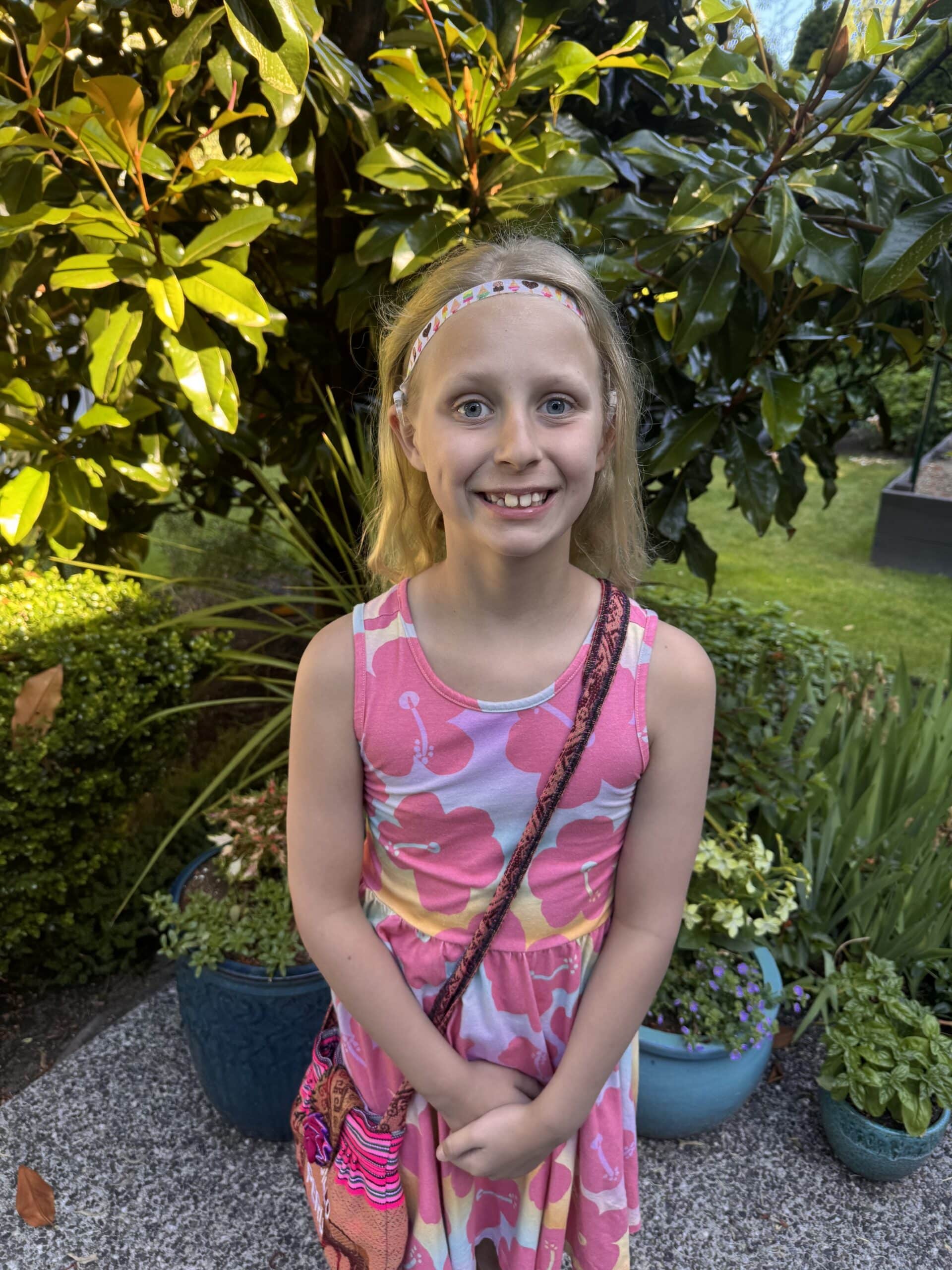
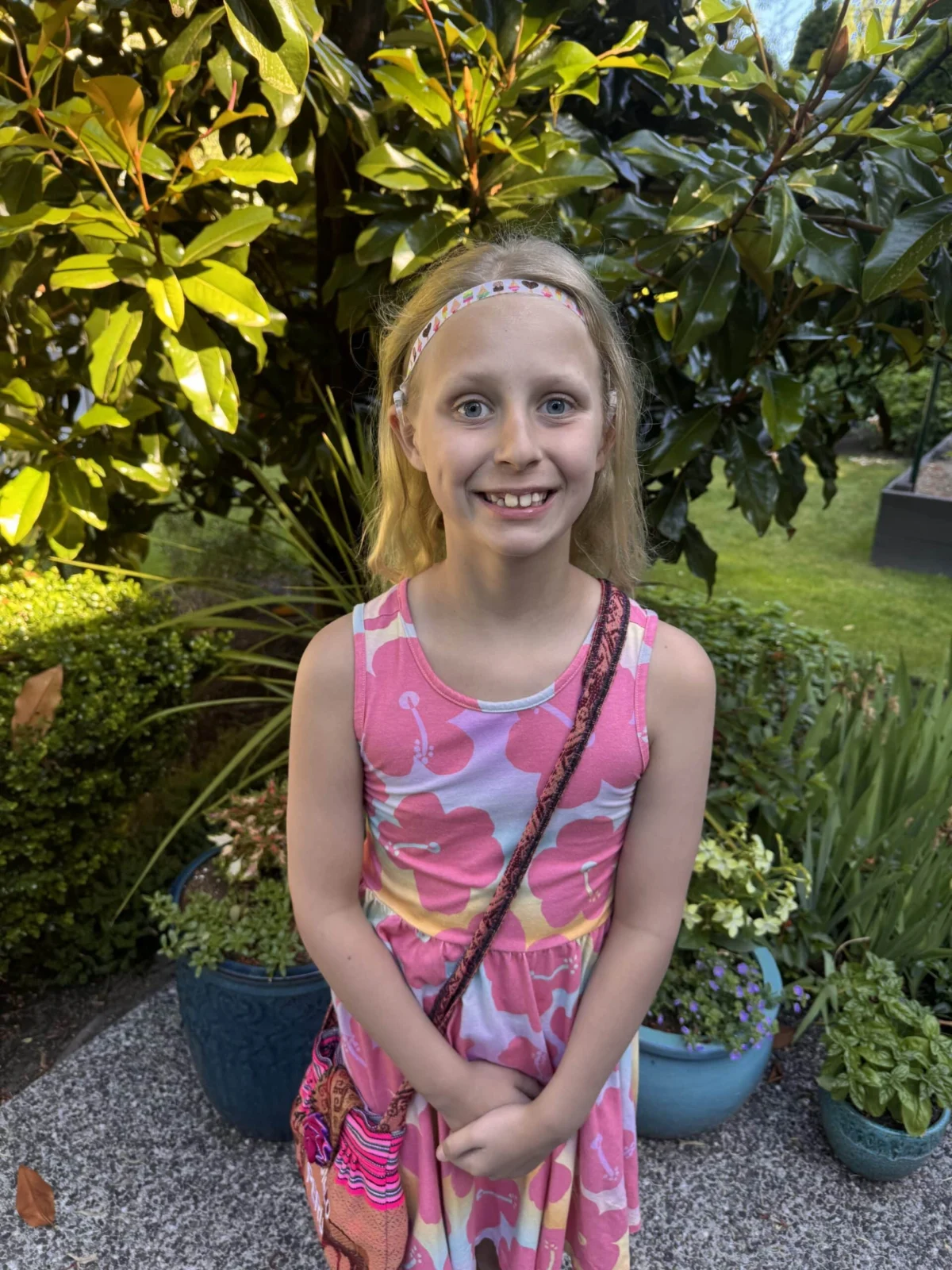
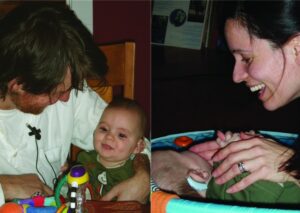
At twelve months, Marna underwent surgery for her first cochlear implant. A cochlear implant differs from a traditional hearing aid by bypassing damaged hair cells in the cochlea to stimulate the auditory nerve directly. By age two, she received a second implant, providing bilateral stimulation—a clinical standard designed to improve sound localization and speech perception in noisy environments. Throughout these formative years, her family engaged with the "Birth-to-3" program at Listen and Talk, a specialized environment where home-based visits provided the Klein family with the coaching necessary to foster LSL development in a natural, everyday context.
The Blended Classroom Model
Between the ages of three and five, Marna transitioned into the Listen and Talk "Blended Classroom." This model is designed to integrate specialized instruction with social-emotional development. Unlike mainstream classrooms that may lack the resources to address specific auditory needs, the Blended Classroom utilizes a curriculum where teachers are specifically trained in auditory-verbal techniques.
The educational philosophy behind this approach is rooted in the idea that children with hearing loss require a high-density language environment to catch up with their hearing peers. In this setting, Marna was not only exposed to intensive speech and listening therapy but was also encouraged to develop peer relationships with other children who shared similar experiences. Educators note that this social component is vital for building self-advocacy. By the time Marna graduated from the program, she had moved beyond the mechanics of listening and was demonstrating the self-esteem necessary to function in standard educational settings.
Supporting Data on Pediatric Hearing Outcomes
The success of programs like those provided by Listen and Talk is backed by broader data in the field of audiology. According to research published by the American Cochlear Implant Alliance, children who receive cochlear implants before the age of 18 months show significantly higher scores in language acquisition compared to those implanted later. Furthermore, studies indicate that children who participate in intensive LSL therapy programs demonstrate higher levels of mainstream integration by the time they reach elementary school.
For parents, the financial and emotional burden of navigating hearing loss is substantial. The cost of cochlear implants, paired with the lifetime necessity of mapping, upgrades, and speech therapy, requires a robust support network. This is where philanthropic initiatives, such as the Alumni Family Giving Campaign, become essential. These funds do not merely cover administrative costs; they subsidize the specialized staff, advanced diagnostic equipment, and community-building programs that bridge the gap between clinical success and social inclusion.
Official Perspectives and Programmatic Goals
The leadership at Listen and Talk emphasizes that their vision is anchored in the belief that "no child is limited by hearing loss." This mandate requires constant updates to curricula and the maintenance of a facility equipped for specialized sensory needs. The Alumni Family Giving Campaign is designed to ensure that families who have already navigated the early stages of the program can contribute to the "pay-it-forward" cycle, supporting new families who are just beginning their journey.

In an official statement regarding the current campaign, organizers noted that the goal is to stabilize long-term funding to prevent service disruptions. "The foundation built in the first five years of life is immutable," says a spokesperson for the center. "By providing families with the tools for LSL, we aren’t just teaching a child to hear; we are ensuring they have the confidence to participate in the world on their own terms."
Broader Implications for Education and Health Policy
The case of Marna Klein also touches upon the broader societal shift toward inclusive education. As medical advancements increase the number of children who are successfully fitted with implants, the demand for specialized educational support grows. The integration of children with hearing loss into traditional sports, academics, and social groups—as evidenced by Marna’s active involvement in lacrosse, soccer, and scouting—suggests that the "deaf identity" is being redefined in the 21st century.
However, this integration is fragile and relies on early intervention. Without the foundational support provided during the pre-K years, many children with hearing loss face significant achievement gaps. Policy analysts point to the Listen and Talk model as a scalable solution for other regions. By utilizing a "hub and spoke" approach—where intensive, specialized early care is provided before the child transitions to a general education environment—the risk of long-term academic delay is mitigated.

Sustaining the Future
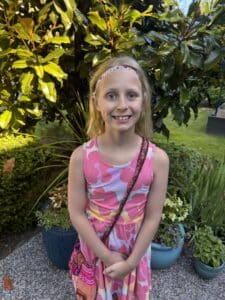
As Marna enters her later elementary years, she serves as a testament to the longevity of early intervention. She is a reader, a student, and an athlete. Her ability to navigate these roles is not a result of chance, but of a systematic, sustained effort to optimize her hearing technology and maximize her language environment.
The Alumni Family Giving Campaign is currently the primary vehicle for ensuring that the next generation of children receives the same caliber of care. For donors, the campaign represents an opportunity to influence the developmental trajectory of children at a time when their neurological plasticity is at its peak. As the organization looks toward the 2026 fiscal year, the focus remains on the scalability of these services.
The implications for the community are clear: by investing in early intervention, society avoids the long-term costs of under-supported special education and potential social isolation. When a child is equipped to "live life at full volume," the benefits extend far beyond the classroom, fostering a generation of confident, self-advocating individuals who are fully integrated into the fabric of their communities.
The success of the Listen and Talk initiative underscores a fundamental truth in pediatric medicine: while technology provides the hardware, the human element—the specialized teachers, the supportive parents, and the nurturing community—provides the software necessary for a child to truly thrive. Through continued support of these programs, the goal of removing limitations from hearing loss remains within reach for thousands of families.