The Search Chronology and Selection Process
The search for a new CEO began in the latter half of 2025, following a strategic assessment by the NAD Board regarding the future trajectory of the organization. The board established a search committee tasked with identifying candidates who possess not only executive-level management experience but also a deep, lived understanding of the American Deaf experience. The committee utilized a multi-stage vetting process that included initial application reviews, behavioral-based interviews, and rigorous vetting of professional credentials and advocacy track records.
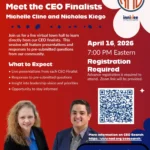
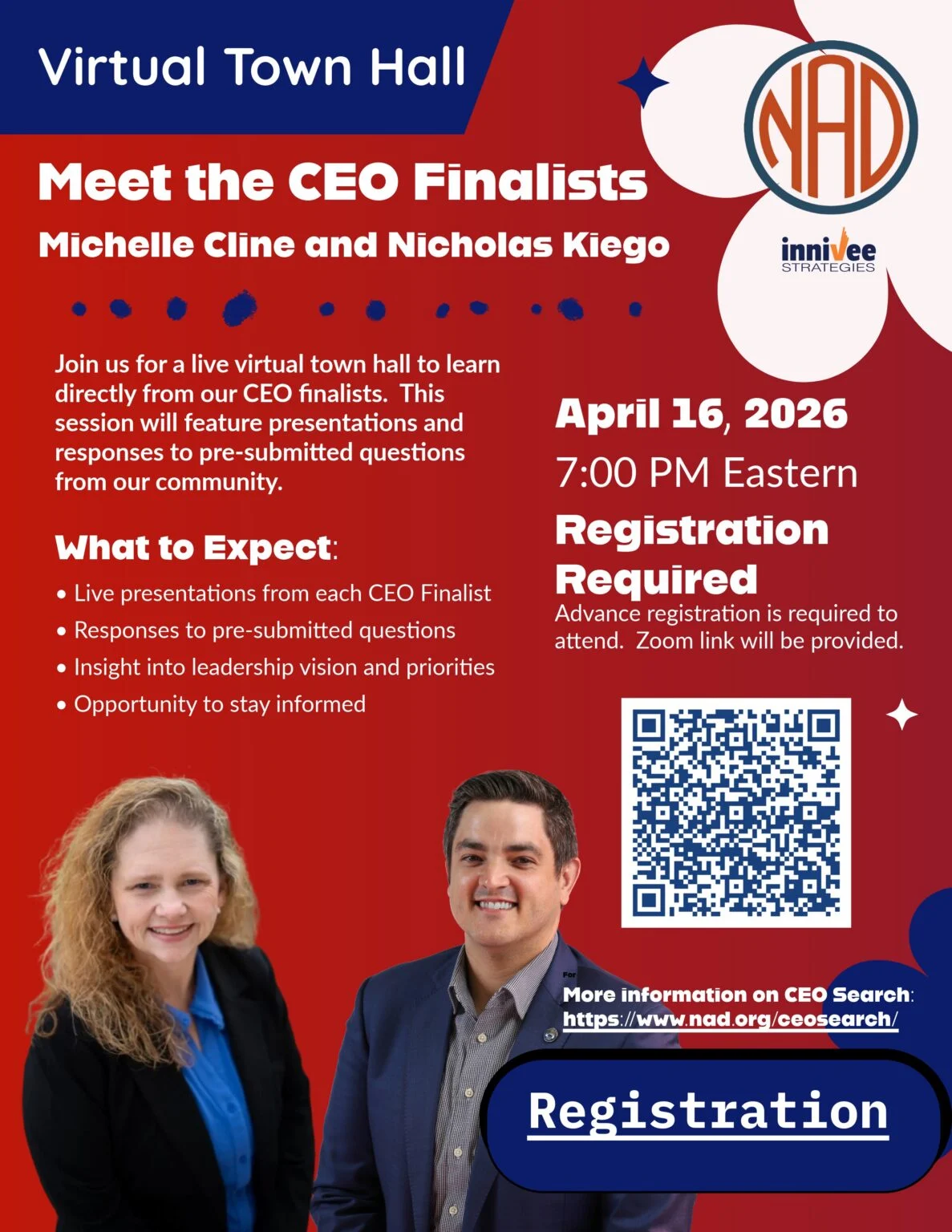
By early 2026, the committee had narrowed a robust pool of applicants down to a select group of semi-finalists, eventually arriving at the two final candidates, Michelle Cline and Nicholas Kiego. The selection of these two individuals reflects a focus on candidates who have demonstrated significant impact in non-profit leadership, community organizing, and policy advocacy. The Board of Directors emphasized that the final choice will be informed by the feedback gathered during the virtual town hall held on April 16, 2026, where stakeholders had the opportunity to evaluate the candidates’ visions for the organization.
Profiles of the CEO Finalists
Michelle Cline brings a wealth of experience in organizational development and systemic advocacy. Throughout her career, she has been recognized for her ability to navigate the complexities of non-profit governance while maintaining a focus on the specific needs of underserved segments of the Deaf community. Her previous roles have often involved high-level stakeholder management, making her a candidate who understands the necessity of building coalitions between government agencies, private sector partners, and grassroots activists.
Nicholas Kiego offers a background rooted heavily in strategic communication and long-term organizational planning. His professional trajectory suggests a strong focus on digital innovation and the expansion of advocacy initiatives through modern technological platforms. Kiego’s work has frequently highlighted the intersection of technology and accessibility, a priority that aligns with the NAD’s recent focus on ensuring that emerging communication tools remain inclusive for all sign language users.
The Virtual Town Hall: Bridging the Gap
The Virtual Town Hall, held on April 16, 2026, served as a cornerstone of the NAD’s commitment to an inclusive selection process. By inviting the community to participate in a live format, the Board sought to ensure that the eventual hire would be accountable to the membership. The event was structured to move beyond generic leadership platitudes, focusing instead on specific policy questions submitted by community members in advance.
Key topics addressed during the session included the future of American Sign Language (ASL) rights in public education, the ongoing battle against discriminatory practices in employment, and the necessity of sustaining the NAD’s financial health in a volatile economic climate. Both candidates were given equal time to present their core platforms, allowing members to compare their proposed strategies for managing the organization’s advocacy budget and expanding the reach of the NAD’s legislative agenda.
Contextualizing the Role of the NAD CEO
The position of CEO at the National Association of the Deaf is arguably one of the most influential roles within the American disability rights movement. Founded in 1880, the NAD has spent over 140 years functioning as the primary guardian of ASL and the rights of deaf and hard-of-hearing citizens. The CEO is responsible for overseeing the organization’s headquarters, managing national advocacy programs, and serving as the primary spokesperson on Capitol Hill and within the media.
Data from the organization’s recent annual reports indicates that the NAD manages a wide array of initiatives, ranging from the legal advocacy department—which represents individuals in landmark civil rights litigation—to the Youth Leadership Camp (YLC) and various public health awareness programs. As the organization faces new challenges—such as the rapid integration of artificial intelligence in speech-to-text and video relay services—the next CEO must be adept at balancing traditional human-centric advocacy with the necessity of technical literacy.
Implications for the Future of Advocacy
The transition in leadership comes at a time when the broader disability rights movement is facing both unprecedented visibility and systemic hurdles. The NAD’s ability to secure legislative wins, such as improvements to the Americans with Disabilities Act (ADA) or federal funding for interpreter services, relies heavily on the strength of its executive leadership.
Industry analysts observing the NAD’s search process note that the organization’s next leader will need to manage the transition from a traditional advocacy model to one that increasingly leverages digital platforms to mobilize a geographically dispersed membership. Furthermore, the incoming CEO will be expected to address internal diversity, equity, and inclusion (DEI) goals, ensuring that the organization accurately reflects the intersectional nature of the Deaf community, which encompasses individuals from various racial, ethnic, and socioeconomic backgrounds.
Stakeholder Expectations and Board Responsibility
The NAD Board of Directors has maintained that while the town hall feedback is a vital component of the selection, the final responsibility lies with the board to appoint a leader who can deliver on the organization’s long-term strategic plan. The board is looking for an individual who can maintain the trust of the membership while simultaneously expanding the organization’s donor base and securing sustainable revenue streams.
Supporters and community leaders have expressed a cautious optimism regarding the finalists. Many have noted that the inclusion of two highly qualified candidates underscores the maturation of the Deaf professional community. For decades, the NAD had to work to establish the legitimacy of Deaf leadership at the highest levels of the organization; today, the depth of the candidate pool is a testament to the success of leadership development programs within the community.
Moving Forward: What Comes Next
Following the conclusion of the town hall and the subsequent review of community feedback, the Board of Directors will enter a final deliberative period. The timeline for the official appointment is expected to be finalized in the coming weeks, with an announcement regarding the successful candidate likely to follow in late spring or early summer of 2026.
For the membership and the public at large, the next steps involve continued vigilance and engagement. The NAD has encouraged members to visit their official website at nad.org/ceosearch for ongoing updates, transcripts of the town hall, and further details regarding the organizational vision. As the organization prepares for this new chapter, the primary objective remains unchanged: to uphold the rights and autonomy of deaf and hard-of-hearing individuals across the United States.
The outcome of this search will set the tone for the NAD’s activities for the next several years. Whether the board selects a candidate with a primary focus on litigation and policy, or one with a background in community development and public awareness, the influence of the CEO will be felt in classrooms, courtrooms, and workplaces nationwide. The transparency of this search process has provided the community with a rare window into the internal workings of the NAD, fostering a sense of shared responsibility for the future of the organization. As the search reaches its conclusion, the focus remains firmly on the goal of selecting a leader who can carry the legacy of the NAD forward, ensuring that the voices of the Deaf community are heard at the highest levels of government and society.