From Basement Beginnings to Regional Leadership
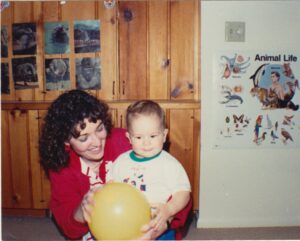
The history of Listen and Talk is rooted in the vision of its founder, Star Leonard-Fleckman, a teacher of the deaf and auditory-verbal therapist. Twenty-nine years ago, the organization began as a modest endeavor conducted from the basement of Leonard-Fleckman’s home. At the time, the landscape for children with hearing loss was significantly more limited, with fewer specialized resources available to ensure that children could thrive in a hearing world without relying on sign language or interpreters.
Over the course of three decades, that initial vision has scaled into a multifaceted educational and therapeutic powerhouse. Today, Listen and Talk provides comprehensive services to over 200 families throughout Washington state. By integrating in-person sessions with robust virtual support, the organization has expanded its reach far beyond its original geographic footprint. The curriculum has evolved into a sophisticated framework that includes the Birth to Three Program, specialized audiology services, intensive therapy, and the Blended Classroom Program, which integrates children with varying hearing capabilities into a cohesive learning environment.
The Impact of the Inaugural Walk, Run, and Roll
The October celebration served as the culmination of the organization’s first-ever Walk, Run, and Roll fundraiser, an initiative designed to bolster financial support for expanded programming. The campaign proved highly successful, raising over $26,000 in total—a figure bolstered by a generous matching grant provided by Leonard-Fleckman herself.
The fundraising effort was characterized by its distributed nature, with supporters participating in organized walks across various locations, including Edmonds, Woodinville, the Olympic Peninsula, and the popular Green Lake area in Seattle. The demographic of participants was remarkably broad, ranging from toddlers to centenarians, reflecting the multi-generational impact the organization has had since its inception.

The funds raised are earmarked for the direct support of the organization’s core operations. This includes the maintenance of high-quality audiology equipment, the hiring and retention of specialized staff, and the provision of parent education programs. As inflation and rising operational costs impact the non-profit sector, such community-driven financial infusions are vital for sustaining the level of individualized attention that characterizes Listen and Talk’s approach.
The Philosophy of Auditory-Verbal Therapy
Central to the mission of Listen and Talk is the objective of self-advocacy. The organization operates on the principle that children with hearing loss can, with the correct therapeutic intervention and technology, develop the cognitive and linguistic skills necessary for full participation in society.
The methodology focuses on coaching families to create an environment where a child learns to reason, think independently, and articulate complex thoughts through intelligible speech. By removing the dependency on interpreters, the program fosters a sense of agency in the students. Data from the organization suggests that early intervention is the primary predictor of long-term success. By working with children from birth through their primary schooling, Listen and Talk aims to ensure that no child’s potential is artificially capped by their hearing impairment.
Currently, the organization supports families representing more than 30 different languages. This diversity highlights a critical aspect of their model: ensuring that the "language of the home" is preserved and utilized, allowing families to communicate effectively with their children while navigating the complexities of hearing technology and speech development.
A Reflection on the Founder’s Day Festivities
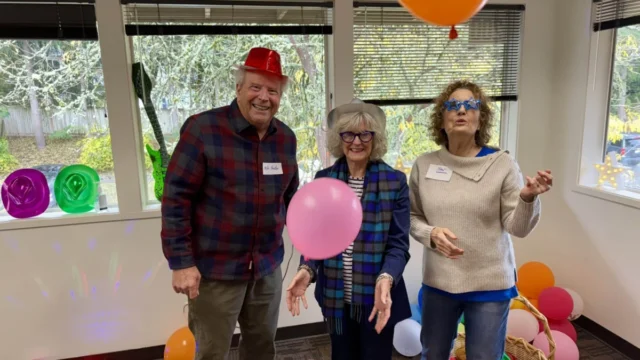
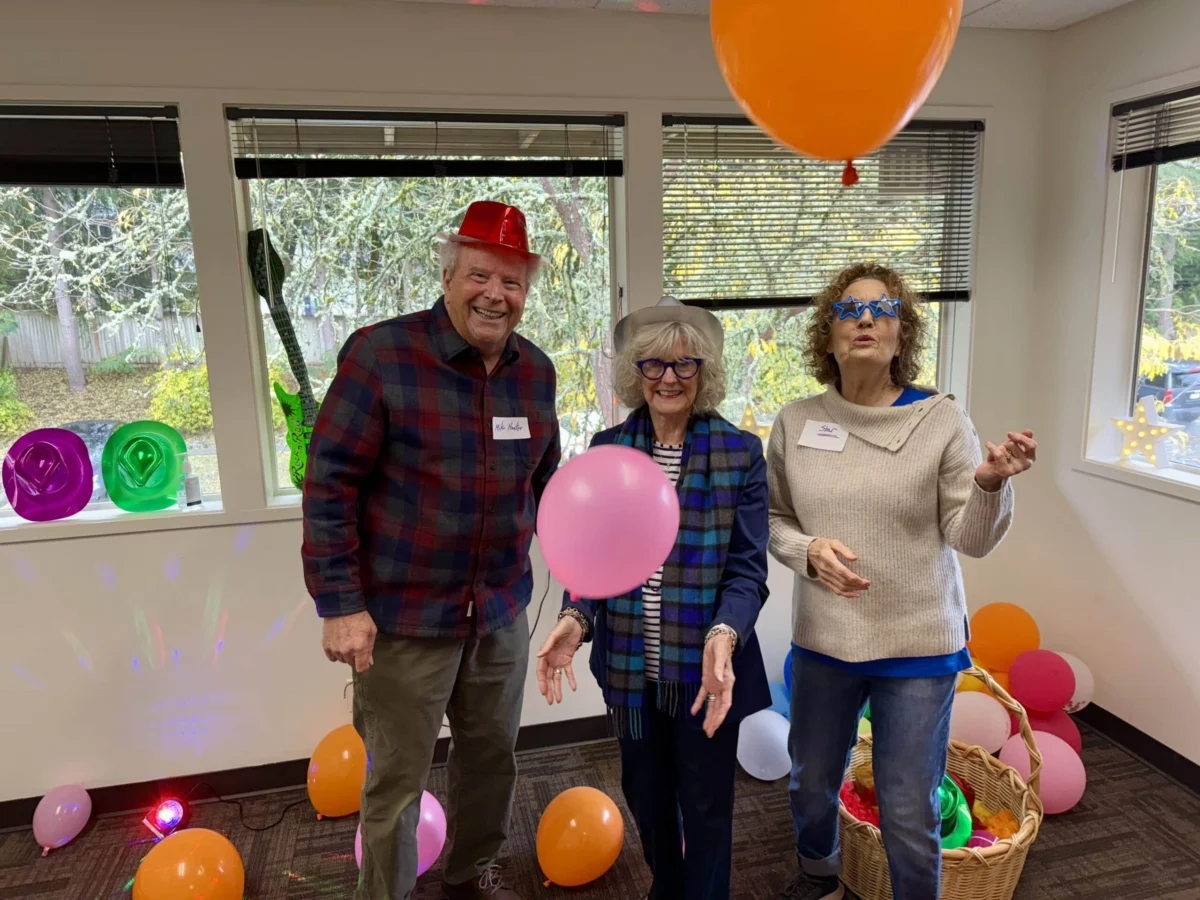
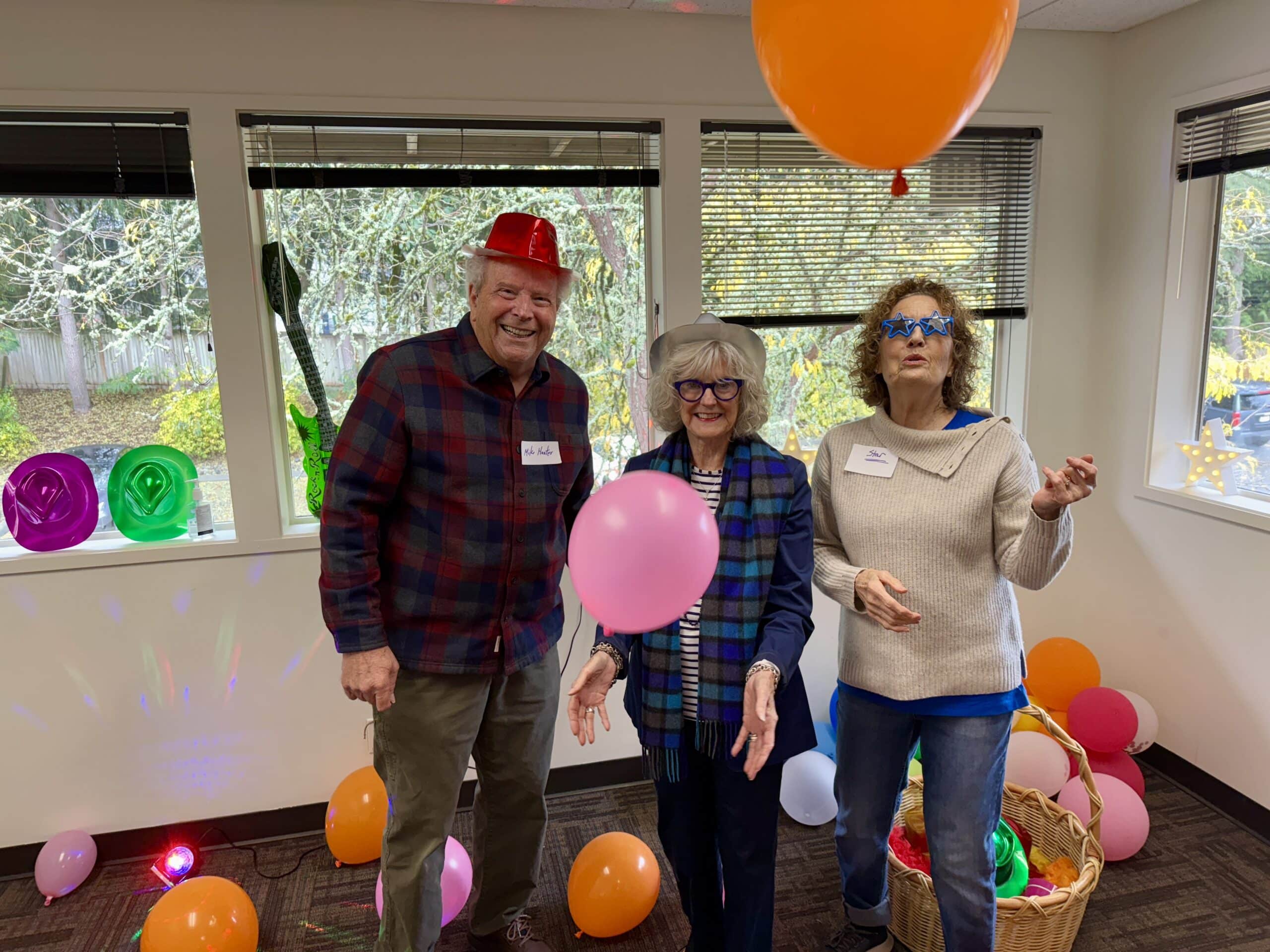
The event at the Kirkland campus provided a unique opportunity for alumni to reconnect with the program. Among the attendees were former students who have now reached adulthood and, in some instances, have returned to the program as parents themselves.
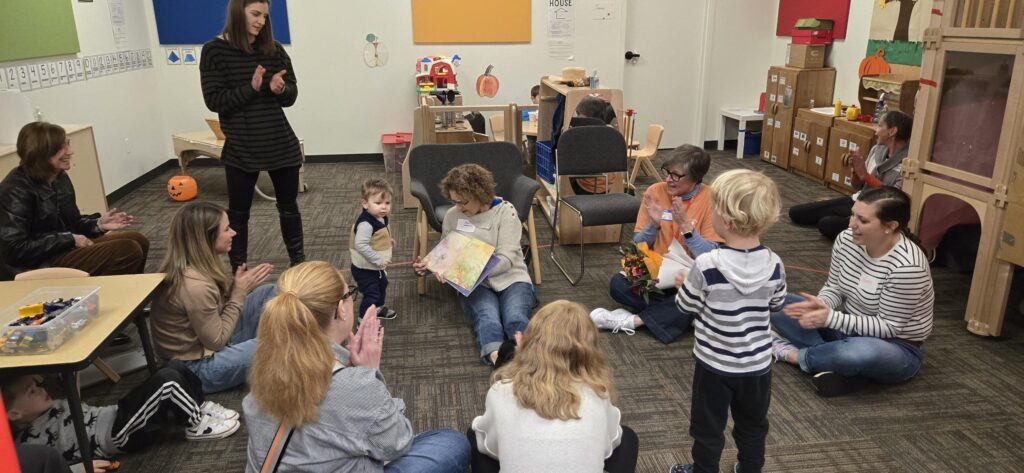
A highlight of the day was the "Story Time with Star" session, held in the facility’s Discovery Room. This activity served as a poignant reminder of the effectiveness of the organization’s methodology. As Leonard-Fleckman read aloud to a room full of children, the seamless interaction between the speaker and the listeners underscored the technological advancements in cochlear implants and hearing aids that have occurred over the last 29 years.

Executive Director Maura Berndsen and Birth to Three Specialist Kim Hamren were also in attendance, engaging with families and reflecting on the long-term outcomes of the program. For many parents, the event was not merely a celebration of the past, but an opportunity to share successes—stories of children who have entered mainstream schools, pursued higher education, and navigated their careers with the foundational skills learned at Listen and Talk.
Looking Toward the Future: Scaling the Mission
As Listen and Talk enters its 30th year, the focus is shifting toward sustainability and growth. The recent success of the Walk, Run, and Roll event has provided a template for future annual campaigns, allowing the organization to stabilize its budget while expanding its outreach programs.
The broader implications of Listen and Talk’s work are significant. By demonstrating that children with hearing loss can achieve communication parity with their hearing peers, the organization is contributing to a broader shift in how society perceives disability. The move away from a deficit-based model toward a capability-based model—emphasizing what a child can do rather than what they cannot—is the hallmark of the organization’s current trajectory.

Looking ahead, the leadership team at Listen and Talk plans to continue investing in staff expertise, particularly in the realm of tele-therapy and remote audiology, to ensure that families in rural or underserved areas of Washington have equal access to care. The goal remains steadfast: to eliminate hearing loss as a barrier to personal, professional, and social success.
Conclusion and Call to Action
The 29th-anniversary celebration was more than a commemorative event; it was a testament to the power of community-driven social enterprise. By fostering an environment where children can learn to listen and talk in their formative years, Listen and Talk has established a legacy that spans generations.
For those interested in the future of the organization, the path forward involves both continued advocacy and financial support. Donations remain the primary driver for the organization’s ability to provide sliding-scale therapy services and cutting-edge resources to families in need. As the organization notes, the ultimate vision is that "no child is limited by hearing loss," a goal that requires the ongoing participation of the community at large.
With the inaugural fundraiser successfully behind them, the team at Listen and Talk is already turning its attention to the next cycle of growth. The energy from the October event—the smiles, the shared stories, and the collective commitment to the children—serves as the foundation for the challenges and successes of the coming decade. Whether through volunteering, participating in next year’s walk, or contributing to the endowment, supporters are encouraged to engage with the organization as it continues its mission to provide every child with the gift of sound and the power of speech.