
Legislative Roots and Regulatory Framework
The proposed amendment to Title 8, Section 3342 of the California Code of Regulations is the direct result of legislative mandates aimed at curbing the epidemic of violence within healthcare settings. Assembly Bill 2975, which serves as the foundation for this regulatory action, was introduced to address the unique vulnerabilities of hospitals—facilities that are legally obligated to remain open and accessible to the public, even as they face increasingly hostile environments.
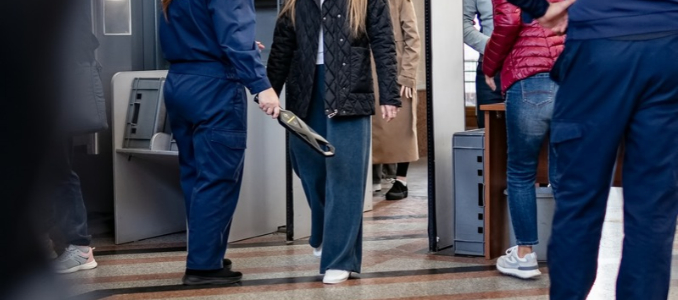
The Cal/OSHA (California Division of Occupational Safety and Health) draft applies specifically to general acute care hospitals, acute psychiatric hospitals, and special hospitals. By mandating that these facilities implement rigorous screening protocols at every unrestricted entrance—including main lobbies, emergency departments, and dedicated labor and delivery portals—the state is setting a high bar for physical security. The regulations are designed to operate whenever an entrance is open to the public, ensuring that gaps in perimeter security do not become entry points for prohibited items.
Technological Implementation and Operational Requirements
The scope of the proposal extends beyond mere policy, outlining the specific types of technology that hospitals are expected to deploy. The draft suggests a multi-layered approach to detection, moving away from simple manual checks toward more sophisticated, automated systems. Recommended technologies include walk-through metal detectors, advanced X-ray screening systems, millimeter-wave scanners, magnetic anomaly detection, and modern AI-assisted weapons detection software.
The inclusion of AI-assisted systems suggests that the state recognizes the limitations of traditional hardware in a high-traffic hospital environment. By utilizing predictive analytics and image recognition, hospitals may be able to reduce the "choke point" effect that often accompanies traditional security screening, thereby maintaining the flow of critical patient traffic while ensuring a high level of vigilance.

However, the proposal explicitly states that handheld detector wands—long the standard for low-budget security—can no longer serve as the primary screening tool. While limited exceptions are carved out for specific circumstances, the message from regulators is clear: hospitals must invest in infrastructure that provides a higher probability of detection than manual methods alone.
The Human Element: Training and Certification
Recognizing that technology is only as effective as the personnel operating it, the Cal/OSHA draft places a heavy emphasis on training. Any employee assigned to screening duties would be required to complete a minimum of eight hours of initial training, supplemented by mandatory annual refresher courses.
The curriculum requirements are extensive, reflecting the complexities of the hospital environment. Beyond equipment operation and threat recognition, staff must be trained in:

- De-escalation techniques: Managing high-stress interactions with patients or visitors who may be distressed or under the influence.
- Implicit bias: Ensuring that security protocols are applied equitably, minimizing the potential for discriminatory practices.
- Disability awareness: Accommodating individuals who may have medical devices, such as pacemakers or insulin pumps, that could trigger sensitive detection equipment.
- Emergency response: Coordinating with clinical staff during a security breach.
- Recordkeeping: Maintaining compliance logs for state inspection.
This training mandate acknowledges that security staff in hospitals perform a dual role: they are agents of safety, but they are also the first point of contact for patients. Balancing the "welcoming" atmosphere of a healthcare facility with the "hardened" nature of a secure perimeter is a challenge that the state expects hospital administrators to solve through professional development.
Contextualizing Workplace Violence in Healthcare
The urgency behind this proposal is driven by sobering data. According to the U.S. Bureau of Labor Statistics, healthcare workers are significantly more likely to experience workplace violence than workers in almost any other sector. In California, these trends have led to a persistent push from labor unions and healthcare advocacy groups for stronger legislative protections.
The timeline of recent events illustrates the mounting pressure. Following a series of high-profile incidents involving shootings or armed individuals on hospital campuses, the consensus among state lawmakers shifted from "encouraging" security measures to "mandating" them. The legislative process for AB 2975 gained momentum throughout 2025, and the subsequent Cal/OSHA drafting process has been fast-tracked to reflect the public’s demand for safer hospitals.

Fact-Based Analysis of Operational Implications
For hospital administrators, the financial and operational implications of this proposal are profound. The cost of installing advanced X-ray and walk-through scanning equipment at every entrance is non-trivial. Furthermore, the staffing costs associated with maintaining trained, dedicated security personnel at every point of entry represent a permanent increase in overhead.
There is also the potential for "patient experience" degradation. Emergency departments, which are often already crowded, could see increased wait times if screening procedures are not optimized. The draft attempts to mitigate this by requiring that hospitals have clear procedures for screening people who decline the standard process, while also balancing the federal EMTALA (Emergency Medical Treatment and Labor Act) requirement to provide medical care to all, regardless of their ability to pay or their compliance with security protocols.
This delicate balancing act between security and the mandate to treat is perhaps the most difficult aspect of the proposed rule. Hospitals cannot turn away a patient in active labor or experiencing a cardiac event simply because they refuse a metal detector check. Consequently, the regulation requires facilities to develop "alternative screening" or containment protocols that ensure security without violating federal medical access laws.

Stakeholder Perspectives and Future Outlook
While the formal comment period ends on Oct. 12, the feedback from the healthcare industry has already begun to surface. Security consultants suggest that the proposed regulations will necessitate a complete redesign of hospital lobbies, many of which were built in eras when "open access" was a design philosophy rather than a security risk.
Conversely, labor unions representing nurses and hospital staff have broadly supported the move, citing the need for a "safety-first" culture that protects employees from the volatility of the outside world. For these workers, the introduction of metal detectors and X-ray machines is seen as a necessary evolution of the hospital workspace, moving the facility from a vulnerable public square to a secured professional environment.
Conclusion and Next Steps
As the Oct. 12 deadline for public comment approaches, the dialogue surrounding the Cal/OSHA draft is likely to intensify. The final version of the regulations will set a new precedent for hospital safety in the United States. If enacted as written, the California mandate will likely become a blueprint for other states facing similar challenges with healthcare workplace violence.

The transition to this new standard will require more than just the procurement of hardware; it will require a fundamental shift in hospital operations, from the architectural layout of entryways to the interpersonal skills of security staff. As healthcare facilities prepare for the potential implementation of these rules, the goal remains singular: to ensure that the hospital remains a place of healing, protected from the threat of violence that has increasingly compromised the safety of the clinical environment.
The path forward for California hospitals involves a rigorous period of adjustment. Administrators must now weigh the costs of compliance against the potential for decreased liability, improved staff retention, and, ultimately, the protection of the patients who rely on these institutions in their most vulnerable moments. Whether this regulation marks the end of an era of unfettered access or the beginning of a safer, more secure healthcare future remains to be seen, but the intent of the state to prioritize the safety of the clinical environment is undeniable.