

The Onset of Symptoms: A Chronology of Discovery
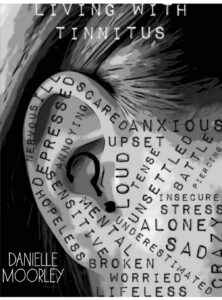
Moorley’s introduction to tinnitus occurred during her 18th birthday, a period already marked by the physical discomfort of a severe toothache. The sudden, unprompted onset of a persistent ringing in both ears presented an immediate psychological crisis. At age 18, the neurological and emotional impact of this sensory intrusion was significant; it disrupted her sleep patterns, induced high levels of stress, and fundamentally altered her perception of her own health.
In the early stages, Moorley’s experience mirrored that of millions of others globally. The lack of an external source for the sound created a sense of helplessness, often described by patients as a feeling of being "trapped" by their own biology. For many, the initial shock of tinnitus is compounded by the medical community’s varying ability to offer immediate, tangible solutions, as the condition is often a symptom of an underlying issue rather than a standalone disease.

The Global Burden of Tinnitus: Context and Data
Tinnitus is a prevalent condition that affects a substantial portion of the global population. According to data from the British Tinnitus Association (Tinnitus UK), approximately one in seven adults in the United Kingdom experiences persistent tinnitus. While for some it is a minor annoyance, for others, it is a debilitating condition that severely impacts quality of life, sleep, and mental health.
The correlation between tinnitus and psychological distress is well-documented in clinical literature. Research indicates that the brain’s limbic system, which processes emotions, often becomes hyper-reactive to the constant auditory stimulus, leading to heightened anxiety. This explains why patients frequently report that the condition worsens during periods of high stress—a phenomenon Moorley identified as a critical turning point in her own management strategy. When the autonomic nervous system is in a state of "fight or flight," the brain’s ability to filter out non-essential sounds decreases, effectively amplifying the perceived volume of the tinnitus.
Clinical Interventions and the Shift Toward Cognitive Management
For years, the medical standard for tinnitus management has been reactive rather than curative. When Moorley sought help, her primary access to professional support was through Cognitive Behavioural Therapy (CBT). While CBT does not eliminate the sound of tinnitus itself, it is widely regarded by audiologists and psychologists as the most effective method for managing the condition’s impact.
The mechanism of CBT in this context is centered on "habituation." By retraining the brain to reclassify the tinnitus sound as a neutral, non-threatening stimulus, patients can effectively "tune out" the ringing. Moorley’s experience with this therapy underscores a broader shift in clinical practice: moving away from the pursuit of a singular "cure" and toward a multi-faceted approach that prioritizes stress management, psychological resilience, and lifestyle adaptation.
The Role of Advocacy Organizations
The importance of organizations like Tinnitus UK cannot be overstated in the context of chronic condition management. For individuals like Moorley, the support network provided by the charity filled a gap left by the clinical system. Advocacy groups serve three primary functions: providing evidence-based information to reduce fear, offering peer-to-peer support to mitigate isolation, and lobbying for increased research funding.
Moorley’s decision to transition from a service user to a formal member of Tinnitus UK highlights the cycle of patient empowerment. By joining the community, she was able to move from a state of passive endurance to one of active participation. This sense of belonging is a known psychological buffer; research into chronic illness shows that peer support groups reduce the prevalence of depression and anxiety by providing a space for shared experience where the patient is not required to "explain" their condition to a layperson.
Managing Lifestyle and Environmental Triggers
A key hurdle for many individuals with tinnitus is the fear of social environments, particularly those involving loud noises or crowds. The sensory overload associated with concerts, parties, or busy public spaces can exacerbate symptoms, leading to social withdrawal.
Moorley’s journey back to these activities provides a template for gradual desensitization. Through a combination of supportive social structures and improved self-regulation techniques, she has successfully reintegrated into high-stimulation environments. This success is not merely a lifestyle choice; it represents the restoration of autonomy. When individuals regain the confidence to attend social gatherings, the cycle of isolation is broken, which in turn reduces the stress that often drives the severity of the tinnitus.

Broader Implications for Public Health Policy
The case of Danielle Moorley serves as a microcosm for the broader challenges facing public health systems. As the population ages and the prevalence of noise-induced hearing loss—a primary cause of tinnitus—continues to rise, the demand for accessible support services will grow.
There are several critical implications for healthcare providers:
- Integrated Care Pathways: Patients need access to both audiological support and mental health resources simultaneously. The separation of these two services often results in a fractured experience for the patient.
- Early Intervention: Providing patients with accurate information and stress management techniques immediately upon diagnosis can prevent the onset of secondary mental health conditions like depression and clinical anxiety.
- Research Investment: While management techniques are currently the primary focus, the push for pharmacological or neurological breakthroughs remains a vital component of the work done by organizations like Tinnitus UK.
The Future of the Tinnitus Community
As advancements in neuroplasticity research continue, the hope for more targeted treatments—such as bimodal neuromodulation or specialized hearing aids—remains high. However, until such time as a definitive cure is established, the model of community-based support remains the gold standard for quality of life.
Danielle Moorley’s story is ultimately one of resilience. By engaging with the resources available to her and contributing to the community that sustained her, she has demonstrated that while tinnitus may be a constant presence, it need not be the defining feature of one’s life. Her advocacy serves as a call to action for others currently struggling in silence, reminding them that professional support and community connection are the most potent tools available for reclaiming one’s sense of self. For those seeking to follow a similar path, membership in such organizations provides the necessary framework to navigate the complexities of the condition, ensuring that no one has to manage the internal noise of tinnitus in isolation.