The Landscape of Tinnitus Care in the UK
Tinnitus, the perception of sound in the absence of an external source, affects millions of individuals across the United Kingdom. Clinical presentations vary significantly, ranging from mild, transient awareness to debilitating, chronic symptoms that impact sleep, concentration, and mental health. Historically, many patients have been told to simply "live with it" or "ignore it," a medical dismissiveness that often exacerbates the psychological burden of the condition.
The Cardiff event was specifically designed to pivot away from this outdated narrative. By providing a structured environment where the condition is openly discussed, Tinnitus UK sought to demonstrate that proactive management—combining audiological intervention, psychological coping strategies, and physical wellbeing—can lead to significant improvements in quality of life. The choice of venue in Cardiff underscored a strategic effort to decentralize expert care, bringing resources directly to the South Wales community.

A Chronology of the Cardiff Initiative
The event began with an opening plenary session that set a tone of optimism, addressing the common fear that discussing tinnitus might amplify the perception of the sound. Contrary to this anxiety, attendees reported a positive shift in their experience throughout the day. By the conclusion of the event, many participants noted that their symptoms felt less intrusive, a phenomenon often attributed to the reduction of the "fight-or-flight" stress response that typically accompanies tinnitus-related distress.
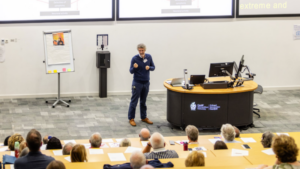
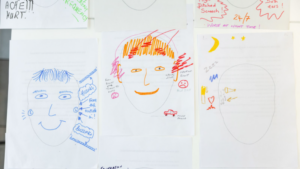
Throughout the morning and early afternoon, the schedule featured a series of expert-led workshops. Keynote speaker Professor Florian Vogt from University College London delivered a lecture on the integration of psychological support within clinical tinnitus care. His presentation synthesized current research findings with practical, actionable advice on sleep hygiene and cognitive behavioral approaches to symptom management. Following this, the program shifted to practical, hands-on sessions, including a demonstration of the Tinnitus Creative Toolkit, led by Marie from the Open University. This session introduced non-traditional management techniques, emphasizing artistic expression as a therapeutic outlet for processing the emotional toll of the condition.

Clinical Expertise and Community Engagement
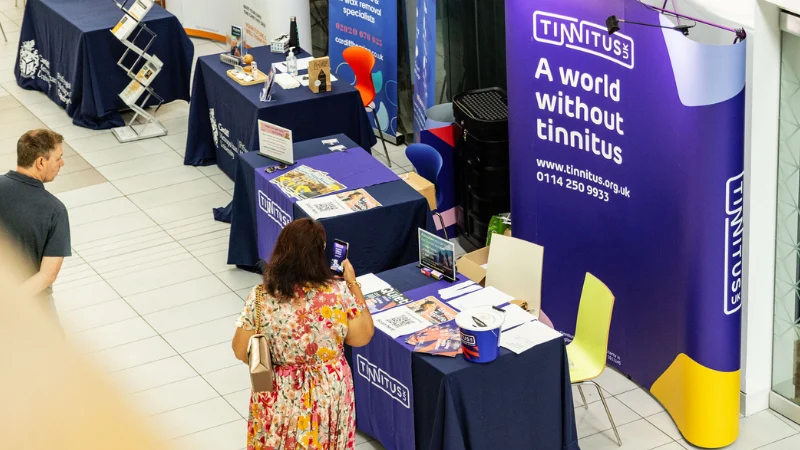
The exhibition area served as a critical nexus for local engagement. Professionals such as Sonja Jones of Cardiff Hearing and Kevin Davies from Minerva, a specialist in custom-fit hearing protection, provided one-on-one consultations. These interactions provided a vital service, as many patients often struggle to navigate the private and public healthcare sectors simultaneously.
The presence of these specialists allowed for a bridge between clinical product knowledge—such as the importance of hearing protection in preventing further auditory damage—and the lived experience of those in attendance. The role of these professionals went beyond mere product exhibition; they functioned as advocates for long-term hearing health, answering complex questions about the relationship between hearing loss and tinnitus onset.

The Role of Peer Support and Emerging Data
One of the most significant takeaways from the Cardiff event was the empirical weight given to support groups. Research highlighted during the proceedings indicated that 97% of individuals who engage with dedicated tinnitus support groups report a subjective improvement in their condition. This statistic serves as a cornerstone for Tinnitus UK’s advocacy work, suggesting that social connectivity is as essential as pharmacological or mechanical intervention.
In response to the high level of engagement during the event, Tinnitus UK leadership confirmed that a new, permanent local support group is currently in the planning stages for the Cardiff area. This development represents a long-term structural success for the charity, ensuring that the momentum generated by the Information Day is sustained through ongoing community infrastructure. The group is expected to serve as a recurring forum for shared experiences, which has been shown to reduce the emotional intensity of tinnitus symptoms.
Physical Well-being and Holistic Management
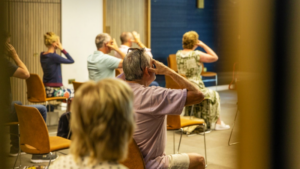
The integration of a chair yoga session into the program highlighted the emerging medical consensus regarding physical activity and tinnitus. While high-intensity exercise is often cited for its physiological benefits, the Cardiff event emphasized that even low-impact movement, such as chair-based yoga, can facilitate the relaxation necessary to mitigate tinnitus-related anxiety.
Data emerging from international sources, particularly in France, suggests that physical activity acts as a potent distracter and a physiological regulator, helping to modulate the autonomic nervous system. By demonstrating these techniques in a group setting, Tinnitus UK provided attendees with a "take-home" toolkit that requires no specialized equipment, thereby lowering the barrier to entry for self-management.

Broader Implications and Future Outlook
The success of the Cardiff Information Day has immediate implications for the charity’s nationwide strategy. As the organization prepares for its next installment in Bournemouth on September 5, 2026, the model tested in Cardiff provides a blueprint for future engagements. The blend of clinical research, creative therapy, and professional networking has proven to be a highly effective format for addressing a condition that is notoriously difficult to treat with a "one-size-fits-all" approach.
Furthermore, the financial model of these events—which are provided free of charge—remains a subject of significant importance. Tinnitus UK relies heavily on donations, membership fees, and legacy gifts to sustain these programs. The willingness of attendees to engage with the charity’s mission in Cardiff suggests a strong public appetite for this type of specialized, patient-centered care.
Statistical Context and Expert Analysis
Fact-based analysis of the current landscape suggests that as the population ages and noise exposure continues to be a concern in urban environments, the incidence of tinnitus is unlikely to decrease. Therefore, the necessity for educational forums like the one held in Cardiff becomes increasingly critical. By demystifying the condition and providing clear pathways for assistance, Tinnitus UK is effectively filling a gap in the national health service, which is often ill-equipped to provide the longitudinal, community-based support that chronic tinnitus patients require.
The ripple effect of the event is likely to be felt in local clinical practices as well. By educating patients on how to advocate for their own care and what questions to ask their primary care physicians or audiologists, the event serves as a catalyst for better patient-provider communication. When patients are informed, they are better equipped to adhere to management plans and seek early intervention, both of which are predictors of better clinical outcomes.

Conclusion: Sustaining the Momentum
The Cardiff Information Day was more than a series of presentations; it was an exercise in community building. For the individuals who left the Cardiff School of Management with a new sense of agency, the day represented a transition from passive sufferers to active participants in their own health journey.
As Tinnitus UK moves forward, the challenge will be to scale these successful regional interventions without losing the intimacy and quality of care that defined the Cardiff session. With the establishment of the new Cardiff support group and the upcoming Bournemouth event, the charity continues to solidify its role as an indispensable pillar of support for the tinnitus community. The evidence presented and the connections forged in Cardiff serve as a testament to the fact that while a universal cure remains elusive, the quality of life for those living with tinnitus can be profoundly improved through knowledge, community, and the persistent application of evidence-based management strategies.
Those interested in supporting the mission or attending future events are encouraged to monitor the Tinnitus UK website for further updates on their nationwide tour and to explore membership options, which provide access to ongoing expert webinars and resources. Through collective action and sustained funding, the organization aims to ensure that no individual in the UK is forced to navigate the complexities of tinnitus in isolation.