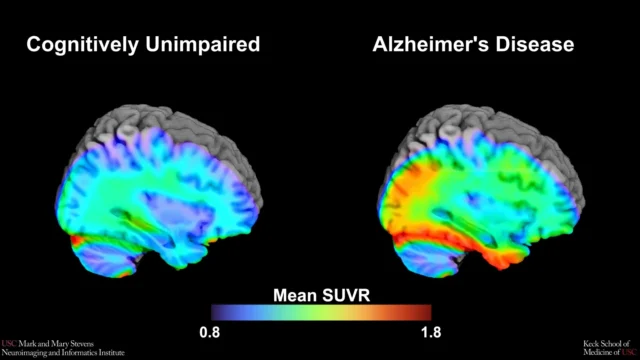

The study, led by researchers at Rush University Medical Center in Chicago, provides some of the most compelling evidence to date regarding the "cognitive reserve" hypothesis. This theory posits that intellectual stimulation builds a surplus of neural connections and mental strategies that allow the brain to function normally even as physical pathology, such as the buildup of toxic proteins, begins to accumulate. However, the researchers are careful to note that the findings demonstrate a strong correlation rather than definitive proof of causation, emphasizing that the relationship between lifelong learning and brain health is a complex interplay of environment, behavior, and biology.
The Magnitude of the Findings: Delaying the Inevitable
The most striking aspect of the study is the quantifiable delay in the onset of symptoms for those who maintained high levels of mental activity. According to the data, individuals with the highest levels of intellectual engagement throughout their lives developed Alzheimer’s disease approximately five years later than those with the lowest levels of stimulation. Furthermore, the onset of mild cognitive impairment (MCI)—often considered the precursor to full-blown dementia—was delayed by an average of seven years in the most cognitively active group.
For public health experts, these figures are revolutionary. In the context of neurodegenerative diseases, where curative treatments remain elusive, a five-to-seven-year delay in symptom onset is nearly equivalent to a cure for many elderly patients. By pushing the clinical manifestation of Alzheimer’s into the mid-90s, many individuals may live out their natural lifespans without ever experiencing the debilitating loss of independence associated with the disease.
"Our study looked at cognitive enrichment from childhood to later life, focusing on activities and resources that stimulate the mind," said study author Andrea Zammit, PhD, of Rush University Medical Center. "Our findings suggest that cognitive health in later life is strongly influenced by lifelong exposure to intellectually stimulating environments."
Methodology: Tracking Eight Decades of Mental Activity
To reach these conclusions, researchers followed 1,939 adults with an average age of 80. At the commencement of the study, none of the participants showed signs of dementia. The cohort was tracked for an average of eight years, during which time they underwent regular cognitive assessments and provided detailed histories of their intellectual habits across three distinct phases of life.
The researchers developed a sophisticated "enrichment score" for each participant, based on a variety of metrics designed to capture the intensity and frequency of mental stimulation.
Phase 1: Early Life (Birth to Age 18)
The study examined the foundations of cognitive development in childhood. Key factors included:
- The frequency with which the child was read to by parents or guardians.
- The availability of reading materials in the home, specifically books, newspapers, and atlases.
- The pursuit of a foreign language for a period of at least five years.
- General access to educational resources that encouraged curiosity and information seeking.
Phase 2: Middle Age (Around Age 40)
This phase focused on the environmental and socioeconomic factors that facilitate mental engagement during the peak of one’s career and family life. Metrics included:
- Income levels, which often correlate with access to diverse experiences.
- Possession of resources such as library cards, dictionary sets, and magazine subscriptions.
- The frequency of "cultural consumption," such as visiting museums, libraries, or attending lectures.
Phase 3: Later Life (Age 80 and Beyond)
The final phase examined current habits and socioeconomic stability. Participants were asked about:
- Daily activities such as reading books or newspapers and writing letters or journals.
- Engagement in cognitively demanding hobbies, such as playing games, cards, or puzzles.
- Financial stability provided by Social Security, retirement funds, and other income sources, which reduces chronic stress—a known factor in cognitive decline.
Statistical Breakdown: The Protection of Enrichment
The results of the eight-year follow-up period were stark. Of the 1,939 participants, 551 (28%) developed Alzheimer’s disease, while 719 (37%) were diagnosed with mild cognitive impairment. However, when the researchers segmented the group based on their enrichment scores, the protective effect of mental activity became clear.
When comparing the top 10% of participants (those with the highest lifetime enrichment) to the bottom 10% (those with the lowest), the researchers found that only 21% of the high-enrichment group developed Alzheimer’s, compared to 34% of the low-enrichment group. Even after the researchers adjusted for other variables—including age, sex, and formal education levels—the data showed that higher lifetime enrichment was linked to a 38% lower risk of developing Alzheimer’s and a 36% lower risk of mild cognitive impairment.
The timing of the disease also showed a significant shift. Individuals in the highest enrichment tier who did develop Alzheimer’s did so at an average age of 94. In contrast, those in the lowest enrichment tier saw the onset of the disease at an average age of 88. For mild cognitive impairment, the gap was even wider: symptoms appeared at age 85 for the highly enriched versus age 78 for the least enriched.
Biological Resilience: Looking Inside the Brain
One of the most profound aspects of the study involved a sub-group of participants who died during the follow-up period and had previously consented to brain autopsies. This allowed researchers to look for the physical hallmarks of Alzheimer’s disease: the buildup of amyloid-beta plaques and tau protein tangles.
The autopsy findings revealed a fascinating phenomenon. Many of the participants with high lifetime enrichment scores had brains that were physically riddled with the markers of Alzheimer’s, yet they had displayed strong memory and thinking abilities right up until their deaths. Their cognitive decline was significantly slower than those with similar levels of brain pathology but lower enrichment scores.
This suggests that mental stimulation does not necessarily stop the biological "rust" of Alzheimer’s from forming, but it builds a more robust "engine" that can keep running despite the damage. This biological resilience is the cornerstone of modern dementia research, shifting the focus from simply removing plaques to enhancing the brain’s ability to withstand them.
The Global Context: A Growing Public Health Crisis
The implications of the Rush University study arrive at a critical time for global healthcare systems. According to the World Health Organization (WHO), more than 55 million people worldwide currently live with dementia, a figure expected to rise to 139 million by 2050 as the global population ages. The economic burden is equally staggering, with the global cost of dementia estimated at $1.3 trillion annually.
In the absence of a "silver bullet" medication, lifestyle interventions have become the primary focus of preventative neurology. The Lancet Commission on dementia prevention, intervention, and care has previously identified several modifiable risk factors, including hearing loss, hypertension, and obesity. The current study adds "cognitive enrichment" as a major pillar of this preventative strategy, suggesting that intellectual engagement is not just a leisure activity but a clinical necessity.
Policy Implications and the Call for Social Investment
The study authors emphasize that cognitive enrichment is not merely a matter of personal choice; it is often a product of one’s environment and socioeconomic status. Dr. Zammit’s findings suggest that public policy plays a massive role in long-term brain health.
"Our findings are encouraging, suggesting that consistently engaging in a variety of mentally stimulating activities throughout life may make a difference in cognition," Zammit noted. She further argued that society must view things like public libraries and early childhood education as health infrastructure. "Public investments that expand access to enriching environments… may help reduce the incidence of dementia."
This perspective shifts the responsibility of Alzheimer’s prevention from the individual to the community. It suggests that funding for arts, literacy programs, and adult education is, in effect, a long-term investment in reducing future healthcare costs associated with memory care and nursing home placement.
Limitations and Future Research
Despite the robust nature of the study, the researchers noted certain limitations. Primarily, because the study relied on participants recalling their childhood and midlife experiences while in their 80s, there is a potential for "recall bias." Those already experiencing early, undetected cognitive decline might have had more difficulty accurately remembering the frequency of their past activities.
Furthermore, the study cohort consisted primarily of older adults who survived to age 80 without dementia, which may introduce a "survivor bias." Future research will need to track younger cohorts in real-time to confirm these retrospective findings.
Conclusion: A Lifelong Commitment to the Mind
The message for the general public is clear: it is never too early, nor too late, to invest in the "wealth" of the mind. Whether it is a child learning a second language, a middle-aged professional visiting a museum, or a retiree joining a book club, these activities appear to be building a biological fortress against the most common form of dementia.
As the medical community continues to seek pharmacological breakthroughs, the humble act of reading a book or playing a game of chess remains one of the most powerful tools available for preserving the human experience of memory and thought well into the twilight of life. The study serves as a reminder that the brain, much like a muscle, thrives on exercise, and the benefits of that exercise can be measured in years of stolen time returned to the individual.