The Growing Mandate for Digital Inclusivity
The push for enhanced accessibility comes at a time when digital engagement is at an all-time high. According to data from the World Health Organization, an estimated 1.3 billion people—or 1 in 6 people worldwide—experience significant disability. In the United Kingdom alone, Department for Work and Pensions (DWP) statistics indicate that approximately 16 million people live with a disability, representing roughly 24% of the population. For these individuals, poorly designed digital events can create insurmountable barriers, leading to exclusion from professional opportunities, civic engagement, and social interaction.
The legal landscape also reinforces this necessity. In the UK, the Equality Act 2010 mandates that organizations make "reasonable adjustments" to ensure people with disabilities are not at a substantial disadvantage. Furthermore, the Public Sector Bodies (Websites and Mobile Applications) Accessibility Regulations 2018 require public sector organizations to make their digital services accessible, a standard that increasingly extends to the live digital environments in which they operate.
Chronology of Digital Accessibility Standards
The evolution of digital accessibility has been marked by several key milestones that have shaped current best practices:
- 2008: The Web Content Accessibility Guidelines (WCAG) 2.0 were published, providing a stable, technical standard for web content.
- 2012: The inaugural Global Accessibility Awareness Day was launched to get the design, development, and usability communities to think, talk, and learn about digital accessibility.
- 2018: The introduction of WCAG 2.1 expanded requirements to include mobile accessibility and better support for people with low vision and cognitive disabilities.
- 2020-2022: The COVID-19 pandemic forced a global shift to remote work, exposing the "digital divide" and accelerating the demand for accessible teleconferencing tools.
- 2023-2024: The release of WCAG 2.2 and the integration of Artificial Intelligence (AI) in live captioning and sign language avatars began to redefine the possibilities of real-time inclusive communication.
- 2025: Current initiatives focus on "inclusive by design" philosophies, ensuring accessibility is integrated into the planning phase rather than added as a post-production afterthought.
Strategic Planning and Platform Evaluation
The GDS framework emphasizes that accessibility begins long before the "Join Meeting" button is clicked. Strategic planning is identified as the most critical phase for ensuring an inclusive environment.
Audience Analysis and Pre-Event Surveys: Organizers are encouraged to move beyond assumptions about their audience’s needs. Implementing pre-event surveys allows participants to disclose accessibility requirements—such as the need for British Sign Language (BSL) interpreters or specific document formats—in a confidential manner. This proactive approach ensures that resources are allocated efficiently and that no participant is left behind.
Platform Accessibility Audits: Not all digital platforms are created equal. Organizations must evaluate the accessibility features of their chosen software, such as Microsoft Teams, Zoom, or Google Meet. Key features to verify include screen reader compatibility, keyboard-only navigation, and the ability for participants to pin or spotlight specific video feeds (crucial for sign language interpretation). GDS recommends conducting a "dry run" to test these features specifically through the lens of a user with assistive technology.
Agenda Design: Accessibility also pertains to cognitive load and physical well-being. GDS suggests that agendas should include frequent, meaningful breaks. For many participants, particularly those with chronic pain or neurodivergent conditions, a standard five-minute transition may be insufficient. Providing a clear, timed agenda in advance allows participants to manage their energy and focus throughout the session.
Communication and Promotional Integrity
The promotion of an event sets the tone for its inclusivity. If the marketing materials are inaccessible, potential attendees with disabilities may conclude that the event itself will not cater to their needs.
Accessible Materials: All promotional content, including PDFs, social media graphics, and email invitations, must adhere to accessibility standards. This includes maintaining high color contrast ratios (at least 4.5:1 for standard text) and ensuring that all images contain descriptive "alt-text" for screen reader users. Use of sans-serif fonts at a minimum size of 12pt is generally recommended for digital readability.
Multiple Formats and Early Disclosure: Information regarding the event should be made available in various formats, such as large print or audio summaries, upon request. Furthermore, GDS highlights the importance of providing advanced notice for any interactive elements. If a webinar includes breakout rooms or collaborative "whiteboard" exercises, neurodivergent participants or those using screen readers benefit significantly from knowing the structure of these tasks in advance.
Execution: Delivering the Live Experience
During the live event, the responsibility shifts to the presenters and technical hosts to maintain the inclusive environment established during the planning phase.
Live Captioning and Transcription: Live captioning is no longer considered an optional luxury. While AI-generated captions have improved, GDS notes that for high-stakes or technical events, professional Communication Access Real-time Translation (CART) services are preferred for accuracy. Captions benefit a wide range of users, including those with hearing loss, individuals whose first language is not English, and participants in noise-sensitive environments.
Visual and Audio Clarity: Presenters are advised to use headsets to ensure high-quality audio, which is essential for both human listeners and automated captioning software. Lighting should be front-facing to ensure that the speaker’s mouth is visible for those who rely on lip-reading. Additionally, speakers should provide verbal descriptions of any visual data or images shown on slides, a practice known as "audio description."
Sign Language Interpretation: For events targeting a broad public audience, providing sign language interpreters is a vital step. The interpreter must be clearly visible, ideally through a "pinning" feature that keeps their video feed static even when screen sharing occurs.
Post-Event Accountability and Analysis
The conclusion of a webinar does not mark the end of the accessibility workflow. Post-event follow-up is essential for continuous improvement and for serving those who could not attend the live broadcast.
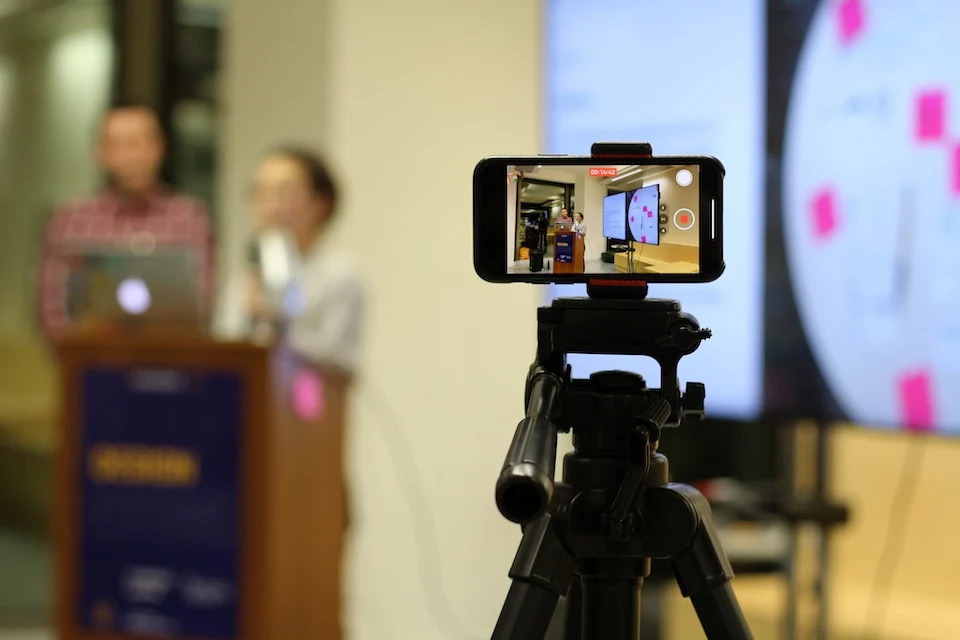
Archiving and Transcripts: GDS recommends that all sessions be recorded and shared alongside a full, corrected transcript and a copy of the presentation slides in an accessible format (such as an accessible PDF or HTML). This allows users to review the content at their own pace and ensures the information remains available to those with fluctuating health conditions or conflicting schedules.
The Feedback Loop: Gathering specific feedback on accessibility is crucial. Organizers should ask participants directly if their accessibility needs were met and what barriers they encountered. This data is invaluable for refining the approach for future events and demonstrates a genuine commitment to the "nothing about us without us" principle of disability advocacy.
Broader Impact and Economic Implications
The push for accessible online events carries significant broader implications for society and the economy. By removing barriers to digital participation, organizations can tap into a wider talent pool. The "Purple Pound"—the spending power of disabled households in the UK—is estimated at £274 billion per year. Businesses that fail to host inclusive events risk alienating a massive consumer base and a significant portion of the workforce.
From a social perspective, accessible online events foster a sense of belonging and reduce the isolation often felt by those with mobility or sensory impairments. Analysis suggests that as digital platforms become the primary venues for democratic discourse, ensuring their accessibility is a prerequisite for a healthy, functioning democracy.
Conclusion
The guidance issued by GDS ahead of Global Accessibility Awareness Day 2025 serves as a reminder that digital inclusion is a journey of continuous learning. While the technical requirements—such as WCAG compliance and live captioning—are foundational, the ultimate goal is to create a culture where the needs of every participant are anticipated and respected. By implementing these best practices, event organizers contribute to a more equitable world where information and opportunity are truly available to all, regardless of ability. As digital technology continues to evolve, the commitment to accessibility must remain a constant priority for leaders across all sectors.