The Scope of the Hazard: A Legacy of Extraction
The sheer volume of abandoned mining sites across the American West, Appalachia, and other historic mining regions presents a logistical nightmare for land-management agencies. These sites are not merely aesthetic blights; they are complex, deteriorating engineered structures that were never intended to be left in their current state. Over decades, the physical integrity of these locations has been compromised by the natural processes of erosion, weathering, and structural fatigue.
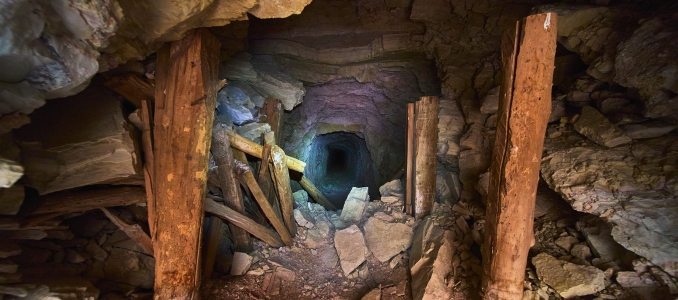
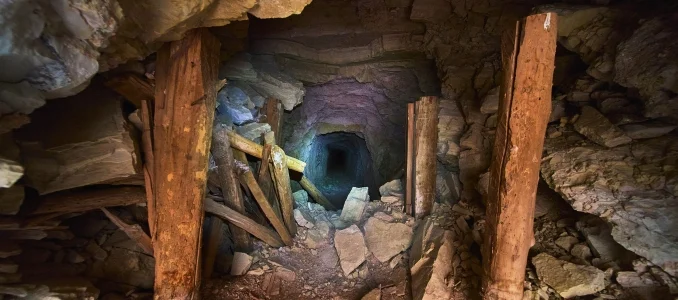
The risks inherent in these environments are multifaceted. Abandoned underground mines often feature vertical shafts—hidden "man-killers" that can plummet hundreds of feet below the surface—and unstable ground conditions prone to sudden subsidence. Air quality inside these voids is frequently lethal; oxygen-deficient atmospheres, high concentrations of methane, or the presence of toxic gases like carbon monoxide and hydrogen sulfide can render an individual unconscious within minutes. Furthermore, the presence of flooded workings introduces the risk of drowning, while decaying wooden support structures and loose rock mass pose an ever-present danger of tunnel collapse. Surface sites are similarly perilous, with highwalls susceptible to rockfalls and quarries that appear inviting for swimming but often harbor hidden equipment, extreme depths, and thermal stratification that can induce cold-water shock in unsuspecting swimmers.
Chronology of Risk and Regulatory Evolution
The history of mine abandonment in the United States is deeply linked to the evolution of federal oversight. Prior to the mid-20th century, regulation regarding the closure of mines was sparse and left largely to the discretion of individual operators. When companies went bankrupt or ceased operations due to the depletion of resources, they frequently left sites open and unsecured.
The landmark Federal Coal Mine Health and Safety Act of 1969, and subsequently the Federal Mine Safety and Health Act of 1977, significantly shifted the burden of safety onto the industry. However, these laws primarily focused on active operations. It was not until the Surface Mining Control and Reclamation Act (SMCRA) of 1977 that the federal government established a dedicated program—the Abandoned Mine Land (AML) fund—to reclaim lands mined before 1977.

Despite billions of dollars spent on reclamation, the backlog remains staggering. In recent years, the rise of social media-driven "urban exploration" (urbex) has introduced a new demographic of risk-takers to these sites. Unlike professional geologists or remediation teams, these recreational visitors often lack the training, respiratory protection, and structural assessment knowledge required to navigate abandoned mines safely. This cultural shift has prompted MSHA to pivot its messaging from purely technical guidance for industry professionals toward public awareness campaigns aimed at the general populace.
Data-Driven Safety Priorities
The MSHA safety alert provides a clear taxonomy of perimeter controls that are essential for public safety. These include the use of sturdy fencing, prominent warning signage, physical barricades, and, in the most dangerous instances, permanent seals or backfilling. The agency notes that these are not merely suggestions but are often mandated by state and federal regulations to prevent unauthorized access.
Statistical data from federal agencies suggests that the majority of fatalities at abandoned mine sites are preventable. These accidents often share common denominators: lack of knowledge regarding site hazards, failure to heed "No Trespassing" signage, and the use of recreational equipment—such as drones or ropes—that provides a false sense of security. MSHA is particularly concerned about the use of rope descent equipment, which is often used by hobbyists to explore shafts. The agency emphasizes that standard climbing gear is insufficient to protect against the unique hazards of a mine, such as the sudden release of toxic gases or the structural failure of the shaft opening under the weight of an anchor point.

Official Responses and Institutional Coordination
The management of abandoned mine sites is a collaborative effort involving the Bureau of Land Management (BLM), the Office of Surface Mining Reclamation and Enforcement (OSMRE), and state-level environmental and natural resource departments. These agencies maintain reporting mechanisms intended to facilitate the quick identification of new hazards.
"The public serves as our eyes and ears on the ground," an MSHA representative noted in recent briefings. The agency encourages citizens who encounter unsecured mine openings, damaged warning signs, or evidence of recent entry to report these findings to the relevant land-management authority. Reporting is essential, as environmental changes—such as heavy rainfall causing ground shifts—can rapidly alter the safety status of a site, turning a previously stable opening into an immediate death trap.
The official stance of the agency is categorical: if a site is fenced, posted, or sealed, it is off-limits. Entering these structures is classified as trespassing and represents a violation of both civil and, in many jurisdictions, criminal law. More importantly, it is a high-stakes gamble with one’s life.

Broader Implications: Beyond the Immediate Danger
The existence of these abandoned sites represents a permanent environmental and safety liability that will likely persist for generations. The cost of full remediation—fully sealing, backfilling, and restoring the land—often far exceeds the available funding in state and federal coffers. Consequently, the focus of policy has shifted toward "hazard mitigation" rather than complete site elimination.
The implications for land use are significant. As cities expand into historically industrial regions, abandoned mine sites are increasingly situated near residential developments and recreational trails. This proximity creates a "hidden in plain sight" danger. Educational programs, such as those promoted by the National Association of Abandoned Mine Land Programs (NAAMLP), are attempting to bridge the gap in public awareness by installing interpretive signage and community outreach efforts.
Furthermore, the integration of new technologies, such as satellite imagery and AI-assisted drone mapping, is beginning to allow agencies to identify and monitor high-risk sites more efficiently than the traditional ground-based surveys of the past. By automating the monitoring process, agencies can better prioritize the deployment of limited reclamation resources toward the most unstable and accessible sites.

Conclusion: A Mandate for Vigilance
The safety alert from MSHA serves as a stark reminder that the industrial history of the United States carries a heavy, ongoing burden. While the allure of exploring these sites for historical curiosity or adventure is understandable, the physical reality of these environments is unforgiving.
For the public, the mandate is clear: stay on marked trails, respect all physical and signage-based barriers, and report any hazardous or suspicious conditions to the appropriate authorities. The preservation of life depends on the recognition that behind every warning sign at an abandoned mine site lies a set of risks that no amount of preparation or equipment can reliably mitigate. As the nation continues to navigate the complexities of its industrial legacy, public cooperation remains the most effective tool in preventing the next preventable tragedy. For more detailed guidance and to learn how to identify potential hazards, the public is encouraged to consult the official resources provided by MSHA’s comprehensive abandoned mine safety initiative.