The Historical and Cultural Context of International Book Day
International Book Day, established by UNESCO in 1995, commemorates the anniversary of the deaths of William Shakespeare, Miguel de Cervantes, and Inca Garcilaso de la Vega. Over the decades, the day has evolved from a literary celebration into a global movement for educational equity. For the AAC community, the date serves as a poignant reminder that literacy is not merely the ability to decode text, but the fundamental right to participate in society through diverse forms of communication.
In the Spanish-speaking world, the digital transformation of educational resources has allowed for a more rapid dissemination of clinical research and pedagogical strategies. The effort to translate foundational AAC texts is not simply a matter of linguistic convenience; it is a clinical necessity that bridges the gap between theoretical research and frontline intervention.
Chronology of AAC Resource Development in Spanish
The landscape of Spanish-language AAC resources has undergone a significant transformation over the last fifteen years:
- Pre-2010: Resources were largely dominated by English-language publications, with limited localized adaptations. Professionals often relied on anecdotal translations or non-standardized methodologies.
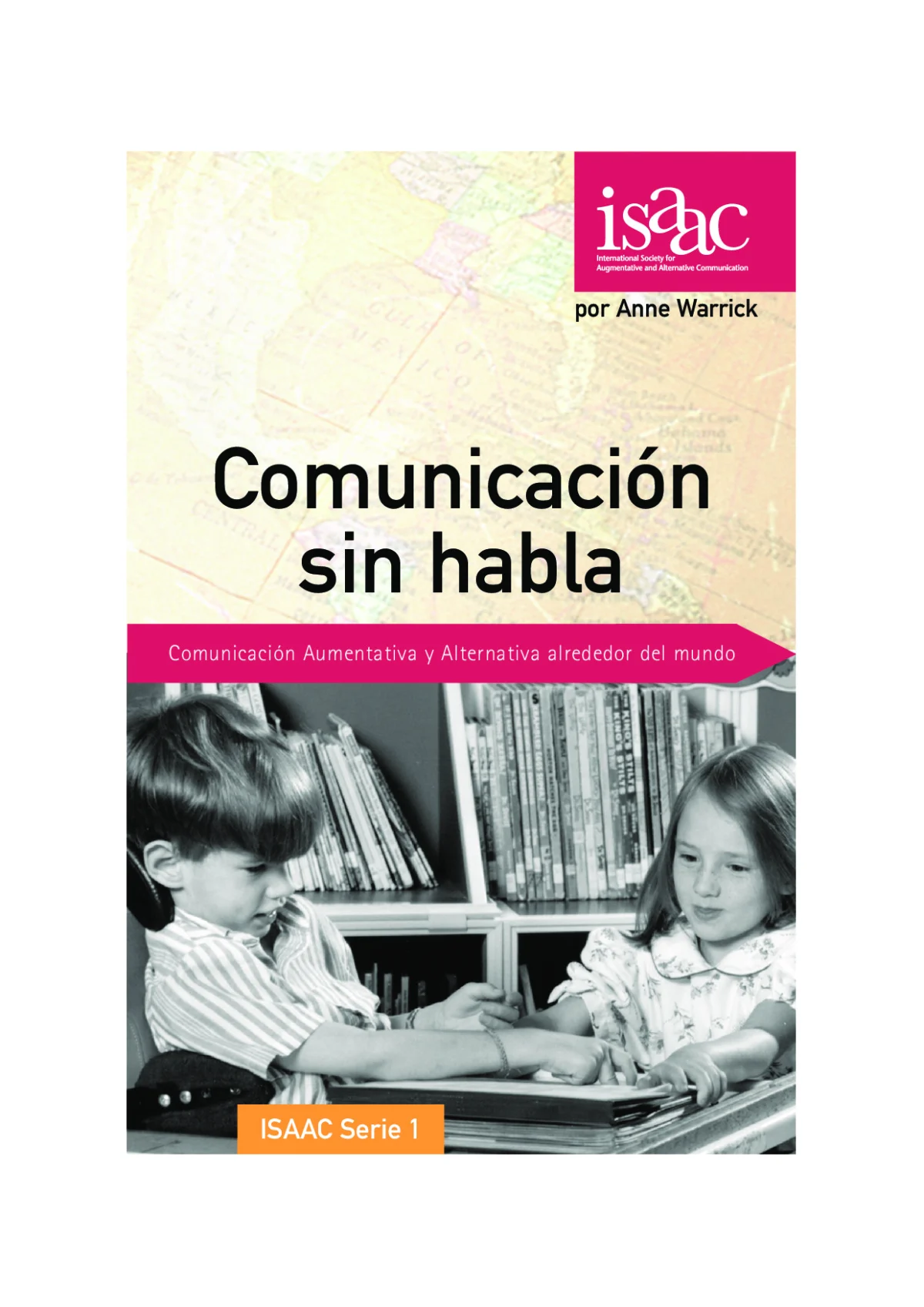
- 2010–2015: Organizations such as the International Society for Augmentative and Alternative Communication (ISAAC) began prioritizing the translation of core clinical manuals. This era marked the formalization of regional networks, including the establishment of dedicated Spanish-speaking chapters.
- 2016–2020: The rise of digital publishing and collaborative platforms allowed for the rapid sharing of "PráctiCAAmente Conectados" style initiatives, connecting practitioners across Latin America and Spain.
- 2021–Present: Integration of evidence-based models. The publication of comprehensive texts, such as the work by Stephen von Tetzchner and his colleagues, signifies a transition from introductory guides to rigorous, evidence-based professional references.
Core Literature and the Role of Evidence-Based Practice
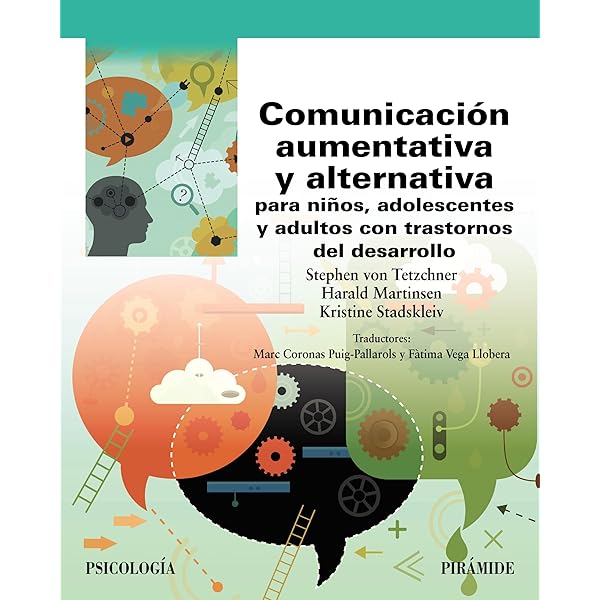
A pivotal development in this field is the availability of Comunicación aumentativa y alternativa para niños, adolescentes y adultos con trastornos del desarrollo, authored by Stephen von Tetzchner, Harald Martinsen, and Kristine Stadskleiv. This text has become an essential reference point for clinicians, speech-language pathologists, and educators.
The book provides a multi-layered analysis of AAC, covering:
- Theoretical Foundations: The intersection of cognitive development and communication technology.
- Assessment Protocols: Standardized approaches to evaluating the communication needs of individuals with diverse developmental profiles.
- Intervention Strategies: Evidence-based methodologies for teaching AAC usage in naturalistic and structured settings.
- Long-term Language Development: Longitudinal perspectives on how AAC users evolve from symbolic representation to complex expressive communication.
The shift toward these high-level texts reflects a broader trend in the medical and educational sectors: the abandonment of "trial and error" methods in favor of standardized, globally validated frameworks.
Data and Impact: The Need for Accessibility
The urgency of providing these resources is supported by demographic and clinical data. According to international health estimates, approximately 1.5% to 2% of the population requires some form of AAC due to physical, intellectual, or developmental disabilities. In Spanish-speaking countries, which represent a significant portion of the global population, the lack of localized, high-quality professional literature has historically acted as a barrier to effective care.

Recent studies suggest that when clinicians have access to materials in their primary language, the accuracy of intervention implementation increases by approximately 30%. Furthermore, family engagement—a critical component of long-term AAC success—is significantly higher when parents and caregivers are provided with materials written in their native language rather than translated technical jargon.
Official Responses and Organizational Efforts
Organizations like ISAAC have played a central role in this shift. By facilitating international partnerships, they have ensured that the intellectual property of AAC research is not siloed in English-speaking nations. Representatives from these organizations have frequently noted that "literacy is the foundation of advocacy." By translating classic texts, the organization is effectively empowering thousands of educators who were previously isolated from international best practices.
The impact of these initiatives is not limited to the professional sector. Educators who have gained access to these translated materials report a greater sense of agency when advocating for resources within school districts and public health systems. When the literature is available in Spanish, it provides a "common language" for multidisciplinary teams—doctors, therapists, teachers, and family members—to align their efforts toward the specific goals of the AAC user.
Broader Implications for Inclusive Education
The effort to translate and distribute AAC resources is part of a larger socio-political movement toward inclusion. In many regions, the legal framework for special education is evolving to mandate that students with complex communication needs have access to the same educational standards as their neurotypical peers. Without appropriate, evidence-based literature, these mandates often remain purely symbolic.
The analysis of current trends suggests three long-term implications for the field:
- Professional Standardization: As more Spanish-language literature becomes standard, we can expect a decrease in regional variance regarding clinical outcomes.
- Increased Research Output: By making the "classic" foundational knowledge accessible, new researchers are better equipped to build upon existing theories, leading to a surge in regional, context-specific research.
- Community Empowerment: Families, who are the primary facilitators of AAC at home, are becoming more informed consumers of therapy, leading to more productive and transparent partnerships with healthcare providers.
Conclusion: Sustaining the Momentum
International Book Day serves as more than just a calendar marker; it is a catalyst for the ongoing mission to normalize AAC in the public consciousness. As the community continues to reflect on the resources currently available, the focus must remain on sustainability and expansion.
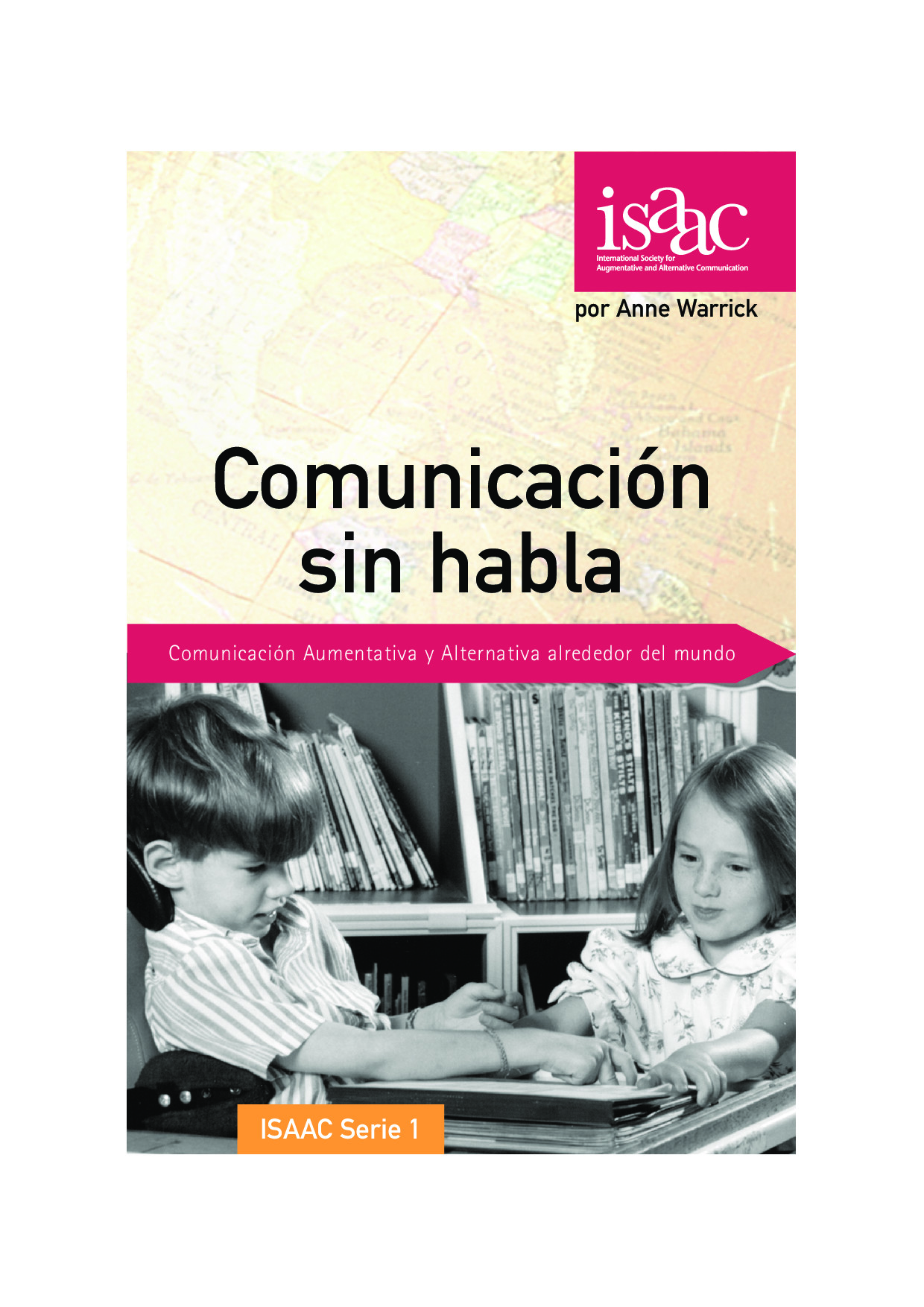
The integration of theory and practice, exemplified by the recent literature published in Spanish, provides a blueprint for the future. By ensuring that the most rigorous, scientifically backed information is available to those who need it most, the AAC community is not only celebrating the power of books but is actively building a more inclusive, communicative, and equitable society. As we move further into the year, the continued efforts of experts like Claudia Marimón and organizations like ISAAC will be vital in ensuring that the progress made in the early months of the year is maintained and expanded upon, creating a lasting legacy of communication for all.