
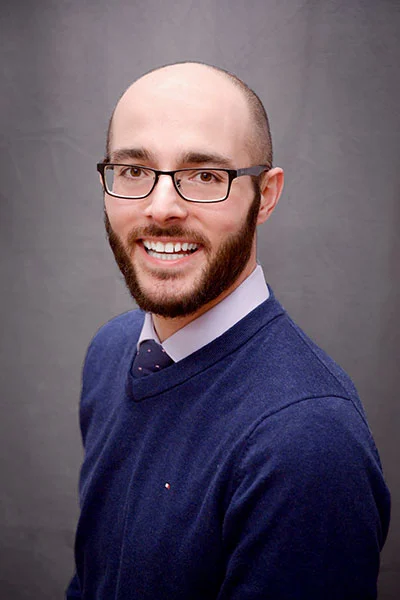
The VR SIG serves as a primary professional hub for physical therapists, occupational therapists, and researchers dedicated to the management of vestibular dysfunction. As Chair, Dr. McPherson will oversee the group’s mission to disseminate evidence-based practices and facilitate networking among clinicians across diverse geographic regions and practice settings. His appointment is viewed as a strategic move to reinforce the long-standing collaboration between VeDA and the VR SIG, two organizations that share a common goal of improving patient outcomes through professional education and public advocacy.
The Evolution of Vestibular Rehabilitation and Clinical Specialization
Vestibular rehabilitation has evolved from a niche subset of physical therapy into a critical component of neurologic and geriatric care. The vestibular system, located in the inner ear, is responsible for providing the brain with information about motion, equilibrium, and spatial orientation. When this system is compromised by disease, injury, or aging, patients often experience debilitating symptoms such as vertigo, dizziness, and chronic imbalance.
According to data from the National Institute on Deafness and Other Communication Disorders (NIDCD), approximately 35% of U.S. adults aged 40 years and older—roughly 69 million people—have experienced some form of vestibular dysfunction. The economic and social implications of these disorders are significant; vestibular impairment is a leading risk factor for falls in the elderly, which costs the U.S. healthcare system billions of dollars annually in emergency room visits and long-term care.
The VR SIG was established to address the complexities of these conditions. By providing a forum for specialized clinicians, the group ensures that the latest research is translated into practical clinical applications. Dr. McPherson’s leadership is expected to prioritize the expansion of these resources, ensuring that therapists in rural or underserved areas have access to the same level of expertise as those in major academic medical centers.
A Chronology of Collaboration: VeDA and the VR SIG
The partnership between VeDA and the VR SIG represents a multi-decade effort to bridge the gap between patient needs and clinical expertise. Historically, vestibular disorders were frequently misdiagnosed or dismissed as psychosomatic. The rise of specialized physical therapy in the late 20th century provided a non-invasive, highly effective treatment path for many of these patients.
Throughout the early 2000s, VeDA began integrating professional medical advisors into its organizational structure to ensure that the patient education materials it produced were scientifically rigorous. The VR SIG emerged as a natural partner in this endeavor, providing a pipeline of clinical experts to peer-review content and lead educational webinars.
By 2020, the collaboration had matured into a robust ecosystem of shared resources. The "Abstract of the Week" became a staple for clinicians, providing weekly summaries of the latest peer-reviewed literature. The Topics in Vestibular Therapy newsletter, a peer-edited publication, further solidified the SIG’s role as an intellectual leader in the field. Dr. McPherson’s appointment is the latest milestone in this chronology, signaling a commitment to maintaining this momentum through the middle of the decade.
The Professional Profile of Jake McPherson
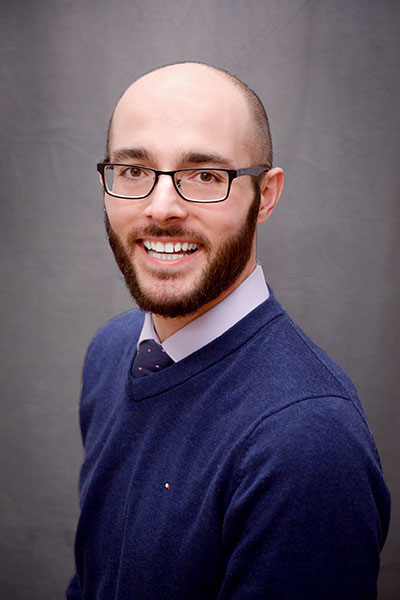
Dr. Jake McPherson brings a multifaceted background in academia, clinical practice, and research to his new role. Currently serving as a Clinical Associate Professor at the University at Buffalo (UB), McPherson has dedicated much of his career to the intersection of neurologic physical therapy and vestibular science. His role at UB involves not only the instruction of doctoral students but also the development of continuing education programs designed to elevate the standard of care among practicing professionals.
A significant portion of Dr. McPherson’s research is conducted through the University at Buffalo’s Comprehensive Concussion Management and Research Center. His work specifically examines the effects of mild traumatic brain injury (mTBI) on vestibular and oculomotor function. In recent years, the medical community has recognized that vestibular dysfunction is a hallmark of many concussions, particularly in sports-related injuries. McPherson’s expertise in this area is expected to influence the VR SIG’s focus, potentially leading to new clinical guidelines for post-concussion vestibular therapy.
Beyond his research, McPherson is an advocate for interdisciplinary care. He frequently collaborates with specialists in otolaryngology (ENT), neurology, primary care, and sports medicine. This "team-based" approach is essential for treating complex cases, such as Meniere’s disease, vestibular migraine, or bilateral vestibular loss, where a patient may require a combination of pharmaceutical intervention, lifestyle modification, and specialized physical therapy.
Strategic Resources and Initiatives under the VR SIG
The VR SIG operates several initiatives that Dr. McPherson will now oversee. These resources are designed to reduce the "research-to-practice" gap, which is the time it takes for new scientific discoveries to become standard clinical treatments.
- Abstract of the Week: This initiative provides clinicians with a concise, evidence-based update on the latest vestibular research. In a field where new studies are published daily, this service is vital for busy practitioners who must stay current to provide the best care.
- Patient Education Fact Sheets: In collaboration with VeDA, the VR SIG produces high-quality, easy-to-understand documents that clinicians can provide to their patients. These sheets cover topics ranging from Benign Paroxysmal Positional Vertigo (BPPV) to the use of vestibular suppressants.
- Topics in Vestibular Therapy Newsletter: This peer-edited publication offers in-depth analysis of specific clinical challenges, such as treating pediatric vestibular disorders or managing persistent postural-perceptual dizziness (PPPD).
- Quarterly Online Networking: These sessions allow clinicians to discuss difficult cases and share success stories, fostering a sense of community among specialists who may otherwise work in isolation.
The Broader Context: The Academy of Neurologic Physical Therapy
The VR SIG is one of eight special interest groups within the Academy of Neurologic Physical Therapy (ANPT). The ANPT’s mission is to optimize movement and wellbeing for individuals impacted by neurologic conditions through advocacy, education, and research. The organizational structure includes SIGs focused on:
- Assistive Technology/Seating & Wheeled Mobility
- Balance and Falls
- Brain Injury
- Degenerative Diseases (e.g., Parkinson’s, MS)
- Spinal Cord Injury
- Stroke
- Residency & Fellowship
The presence of the VR SIG alongside these other groups highlights the interconnectedness of neurologic health. For example, a patient recovering from a stroke may also suffer from vestibular-related balance issues. Dr. McPherson’s role involves ensuring that the VR SIG collaborates effectively with these other groups to provide comprehensive care for patients with multi-system neurologic involvement.
Anticipation for the 2026 ANPT Annual Conference
A major focal point of Dr. McPherson’s upcoming tenure will be the 2026 ANPT Annual Conference, scheduled for September 17-19, 2026, in Minneapolis, Minnesota. VeDA has already confirmed its role as a conference sponsor, underscoring the importance of this event for the vestibular community.
The annual conference serves as the premier venue for neurologic physical therapists to present original research, attend workshops on advanced manual techniques, and discuss the future of the profession. For the VR SIG, the 2026 conference will be an opportunity to showcase new clinical practice guidelines and host specialized tracks focused on the latest in vestibular technology, such as virtual reality (VR) and augmented reality (AR) applications in balance training.
Industry analysts suggest that the 2026 conference will see an increased emphasis on telehealth and wearable sensors. As remote monitoring technology improves, vestibular therapists are finding new ways to track patient progress and provide guidance outside of the traditional clinic setting. Dr. McPherson’s background in research makes him well-suited to lead the SIG through these technological transitions.
Analysis of Implications for Patient Care
The appointment of a new Chair for the VR SIG is more than an administrative change; it has direct implications for the quality of care available to patients with vestibular disorders. Under Dr. McPherson’s leadership, there is an expected push for greater standardization in vestibular education. Currently, the "vestibular therapist" designation is not a standalone board certification, though many therapists hold the NCS (Neurologic Clinical Specialist) credential.
Strengthening the educational pipeline ensures that when a patient searches for a "vestibular specialist," they are connected with a provider who possesses a deep understanding of the physiological and psychological complexities of balance disorders. This is particularly important for conditions like PPPD, where psychological factors and neurologic dysfunction are deeply intertwined.
Furthermore, the continued partnership with VeDA ensures that the patient’s voice remains central to clinical discussions. VeDA’s role as a sponsor and collaborator provides a platform for patient advocacy, ensuring that research and clinical priorities align with the lived experiences of those with vestibular issues.
Future Outlook and Global Impact
As Dr. McPherson begins his term, the field of vestibular rehabilitation faces both challenges and opportunities. The aging global population is expected to increase the demand for balance-related services, while the ongoing "concussion crisis" in youth and professional sports necessitates more sophisticated vestibular screening and treatment protocols.
The leadership of the VR SIG is also increasingly influential on a global scale. While the ANPT is a U.S.-based organization, its resources and research are utilized by clinicians worldwide. By fostering international connections, Dr. McPherson and the VR SIG contribute to a global standard of care that transcends borders.
In conclusion, the transition of Jake McPherson to the role of Chair of the VR SIG represents a continuation of a legacy of excellence in neurologic physical therapy. With the support of VeDA and the collective expertise of the ANPT, the coming years are poised to bring significant advancements in the awareness, diagnosis, and treatment of vestibular disorders. The 2026 conference in Minneapolis will likely serve as a definitive benchmark for the progress made under this new leadership, offering a glimpse into the future of a field dedicated to helping patients regain their balance and their lives.