From Basement Beginnings to Regional Impact
The history of Listen and Talk is rooted in the vision of Star Leonard-Fleckman, an educator of the deaf and auditory-verbal therapist. Nearly three decades ago, Leonard-Fleckman began providing specialized services from her home basement, driven by the conviction that children with hearing loss could, with the right intervention, learn to listen and speak.
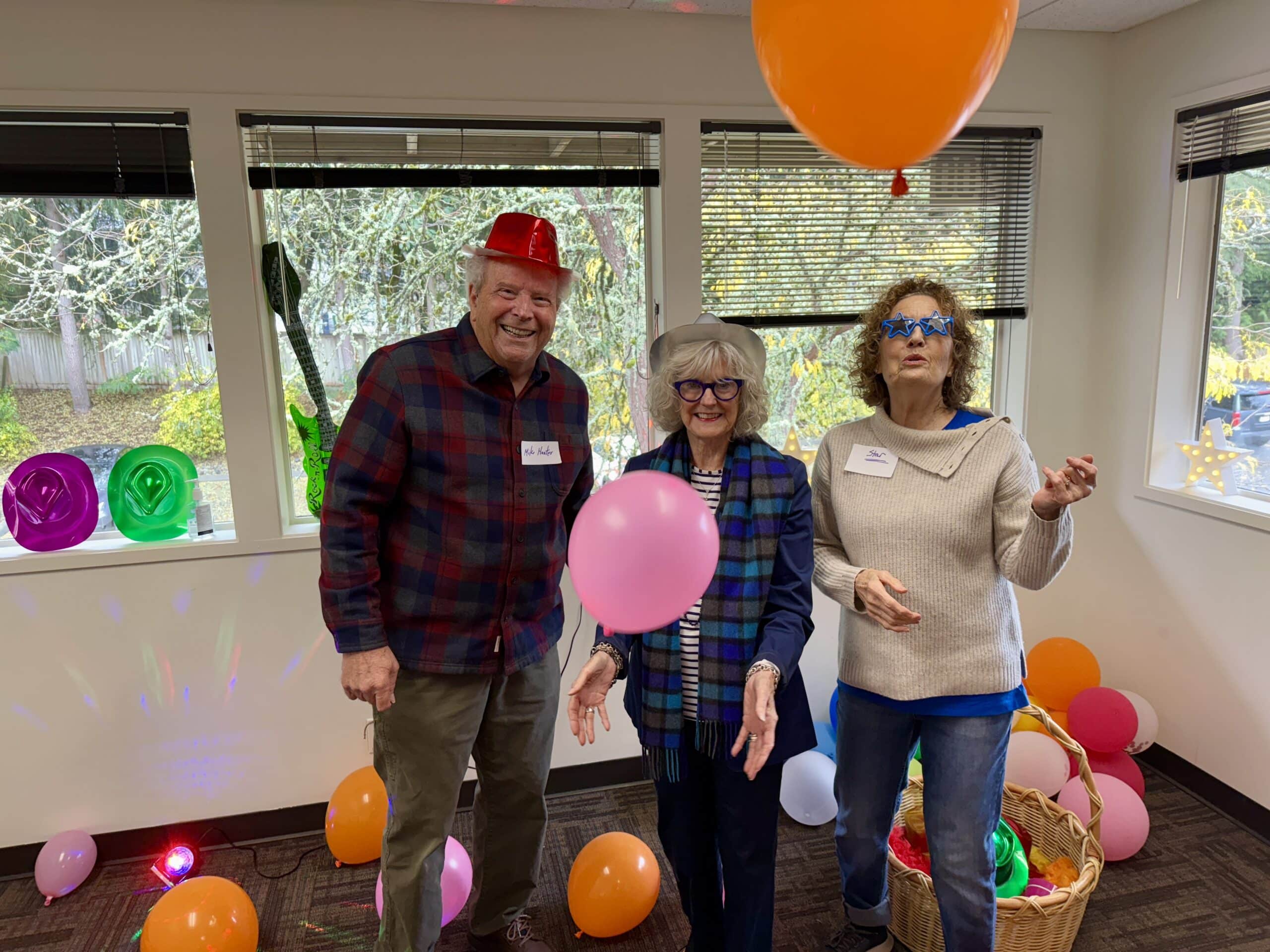
This model of early intervention—which prioritizes auditory-verbal therapy—has since scaled significantly. Today, the organization serves over 200 families annually through a combination of in-person sessions at its Kirkland campus and virtual outreach programs. The curriculum has evolved beyond basic therapy to include specialized audiology services, a Birth to Three program, and a unique Blended Classroom model that integrates children of varying hearing abilities. By focusing on spoken language, the organization aims to empower children to communicate independently in mainstream settings, effectively removing the reliance on interpreters and fostering long-term self-advocacy.
The Inaugural Walk, Run, and Roll Fundraiser
The Founder’s Day celebration marked the physical finish line for the organization’s inaugural Walk, Run, and Roll campaign, a fundraising effort designed to secure the financial future of its programs. The initiative saw widespread participation from diverse geographic areas, including Edmonds, Woodinville, the Olympic Peninsula, and Green Lake.
Financial reporting from the organization indicates that the campaign exceeded expectations. The initial fundraising goal was met with a significant boost when Founder Star Leonard-Fleckman provided a matching grant. According to official figures, the campaign has successfully raised over $26,000, with funds earmarked for the expansion of therapeutic services, parent education, and the procurement of advanced audiology equipment. This capital infusion arrives at a critical time as the organization looks to modernize its resources and broaden its outreach to non-English speaking families.

The Philosophy of Auditory-Verbal Education
At the core of the Listen and Talk model is the "listening and spoken language" (LSL) approach. This pedagogical strategy emphasizes the use of assistive technology—such as cochlear implants and hearing aids—paired with intensive therapy to ensure that children can perceive sound and develop speech.
Data suggests that early intervention in this field is highly time-sensitive. Research in audiology frequently points to the "critical period" of brain development, which occurs in the first three years of life. By providing comprehensive support during this window, Listen and Talk aims to ensure that children reach age-appropriate milestones in language acquisition. The organization currently supports families speaking over thirty different languages, a statistic that reflects the evolving demographic landscape of the Pacific Northwest and the organization’s commitment to providing culturally competent care.
Voices of the Community
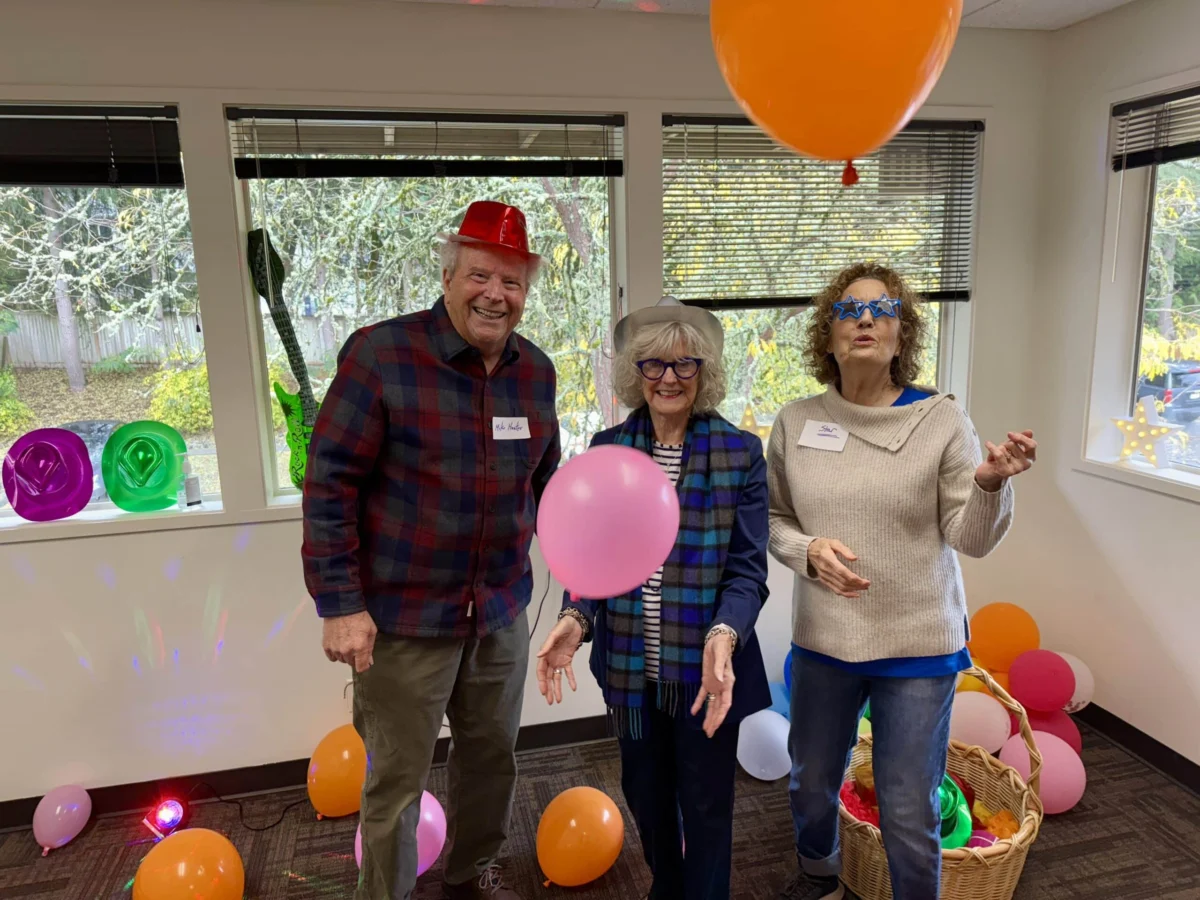
The Founder’s Day event featured a poignant "Story Time with Star," an activity that served as both a nostalgic nod to the organization’s origins and a demonstration of current teaching practices. The event was attended by various generations of the community, including alumni who, having been treated by Leonard-Fleckman in their childhood, have now returned to the organization as parents of their own children.
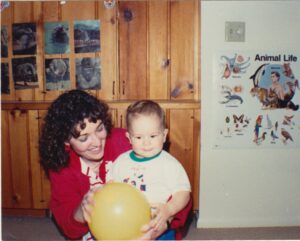
Executive Director Maura Berndsen highlighted the significance of these multi-generational connections during the event. For many alumni, the return to the Kirkland campus provided a chance to reflect on the long-term efficacy of the program. Observations from the event suggest a strong culture of continuity, with former students now working in professional fields, reinforcing the organization’s goal of equipping students for mainstream societal participation.
Implications for Early Childhood Education
The success of this fundraiser and the longevity of the program hold broader implications for the field of pediatric audiology. As health systems face increasing pressure to provide equitable access to specialized therapy, private, non-profit entities like Listen and Talk serve as essential partners in the public health infrastructure.
The integration of the Blended Classroom program is particularly noteworthy in current educational discourse. By placing children with hearing loss alongside their typically hearing peers, the program creates an environment that mirrors the real-world communication challenges and opportunities students will face throughout their education. This environment is designed to normalize the use of hearing technology while simultaneously building the social-emotional resilience required to navigate a hearing-centric society.
Strategic Outlook and Sustainability
Looking toward its 30th anniversary, the organization faces a landscape of shifting educational needs and technological advancements. The funds raised during the October event are not merely for operational upkeep but are intended to support the development of "cutting-edge resources." This likely includes investments in tele-therapy infrastructure, which has allowed the organization to maintain a consistent reach across the state, and the expansion of parent training modules.
The emphasis on parent education remains a cornerstone of the organization’s strategic plan. By training parents to facilitate language development in the home, Listen and Talk extends its therapeutic reach far beyond the clinic walls. This "coach-the-parent" model is widely recognized in the field as a primary driver of successful outcomes for children with hearing loss.
Future Fundraising and Community Engagement
As the organization moves into its next decade, it plans to build upon the momentum generated by the inaugural Walk, Run, and Roll. The event demonstrated a capacity to engage a broad demographic, with participants ranging from toddlers to centenarians. The ability to mobilize such a diverse group of stakeholders suggests that the organization has successfully transitioned from a specialized niche service to a broader community cause.

The organization has issued a call for continued support, emphasizing that while the October fundraiser was a success, the recurring costs of audiology testing, speech therapy, and classroom maintenance require a stable, ongoing revenue stream. The organization’s leadership remains committed to the principle that "no child is limited by hearing loss," a mission statement that continues to define their operational goals and public-facing identity.
Conclusion
The 29th-anniversary celebration of Listen and Talk served as both a reflection of past success and a launching point for future initiatives. By successfully blending a legacy of specialized, compassionate care with modern fundraising techniques and a commitment to professional excellence, the organization has solidified its place as a cornerstone of the Washington state disability services community. As they look toward the future, the integration of new technology, the expansion of the Blended Classroom, and the sustained support of their alumni network position Listen and Talk to continue its mission of empowering children to communicate, learn, and thrive.
For families seeking to contribute to these ongoing efforts, the organization maintains a dedicated donation portal, with all proceeds directly impacting the availability of early intervention services. The legacy established in a basement nearly three decades ago continues to resonate, providing a vital bridge between silence and sound for hundreds of children across the region.