A Chronology of Early Intervention
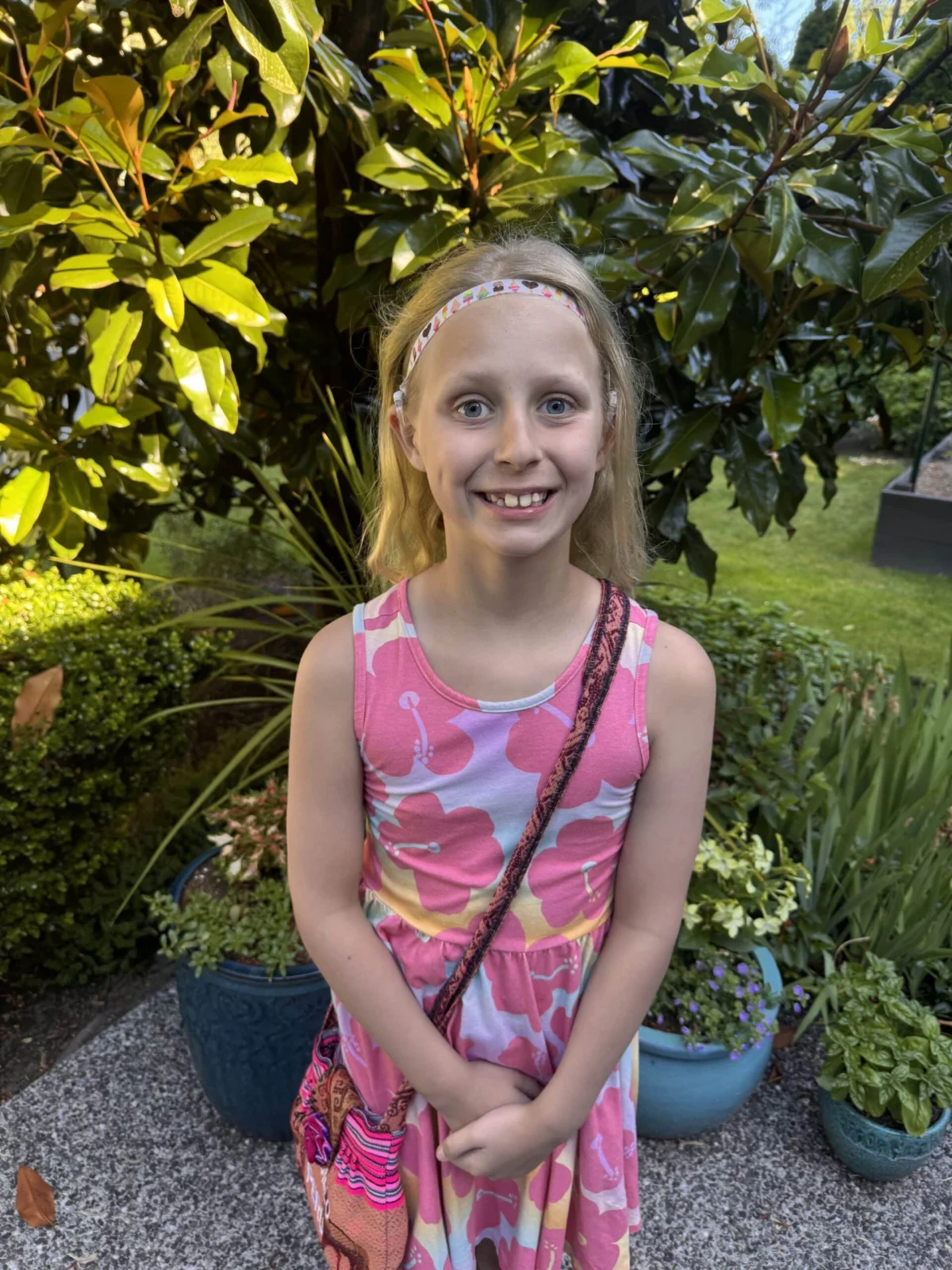
Marna’s path toward auditory rehabilitation began in infancy, reflecting a growing medical consensus that the "critical period" for language acquisition in children with hearing loss occurs during the first three years of life. Marna received her first set of hearing aids at just two months of age. This initial step, often referred to as the "fitting stage," is fundamental in providing the auditory input necessary for brain development in infants with sensorineural hearing loss.
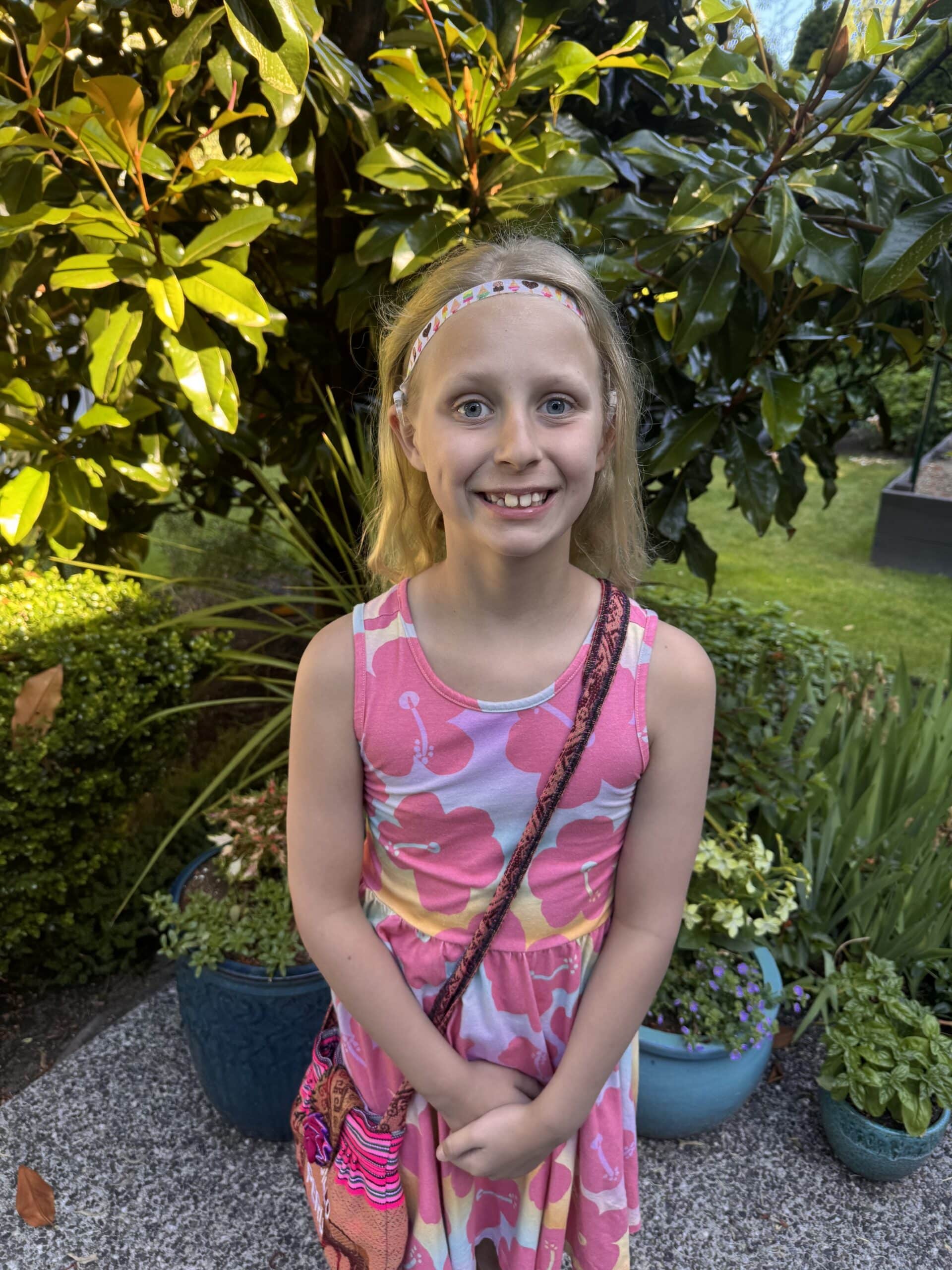
At twelve months, Marna underwent her first cochlear implant surgery. This was followed by a second implant at age two, achieving bilateral stimulation. The transition to bilateral cochlear implantation is a standard of care that significantly improves sound localization and speech recognition in noisy environments, such as classrooms and playgrounds. Following these medical interventions, Marna and her family engaged with the "Birth-to-3" program at Listen and Talk. This program focuses on home-based coaching, where specialists teach parents how to integrate auditory-verbal strategies into daily routines. By focusing on LSL, families can foster an environment where the child learns to process sound as a primary conduit for language and communication.
From age three to five, Marna transitioned into the Listen and Talk Blended Classroom. This model, which integrates students with hearing loss into a setting that often includes both specialized support and peer-to-peer interaction, provided a scaffolded environment for her to develop social-emotional skills alongside her auditory progress.
The Role of Listening and Spoken Language (LSL)
The LSL approach utilized by organizations like Listen and Talk is based on the principle that, with appropriate technology and therapeutic intervention, most children with hearing loss can learn to listen and speak at a level comparable to their hearing peers. Research consistently indicates that children who receive consistent, high-quality LSL intervention demonstrate improved linguistic and cognitive outcomes.
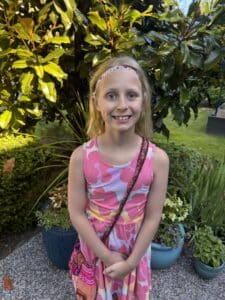
The strategy moves beyond mere amplification. It involves "auditory training," where the child is taught to detect, discriminate, identify, and comprehend sounds. For Marna, this foundation of confidence allowed her to navigate the transition to a mainstream school environment. By learning to self-advocate early, Marna became proficient in managing her own technology—a skill that is often cited by pediatric audiologists as a primary indicator of long-term academic success for children with cochlear implants.
Supporting Data: The Impact of Early Detection
The clinical success of individuals like Marna is supported by broader public health data. According to the Early Hearing Detection and Intervention (EHDI) guidelines, the "1-3-6" rule is the gold standard: screening for hearing loss by one month, diagnosis by three months, and enrollment in early intervention services by six months.
The economic and social implications of these interventions are profound. Studies published by the American Cochlear Implant Alliance (ACIA) suggest that early intervention leads to significantly higher rates of graduation and workforce participation for individuals who are deaf or hard of hearing. By closing the gap in language exposure during the formative years, the cost-benefit ratio of early intervention programs proves to be high, as it reduces the need for intensive remedial services in later childhood and adolescence.

Organizational Context: The Alumni Family Giving Campaign
Listen and Talk, the institution that facilitated Marna’s early development, currently operates the 2026 Alumni Family Giving Campaign. Such campaigns are essential for non-profit educational centers that provide highly specialized, resource-intensive care. Unlike traditional schools, these centers require low student-to-teacher ratios, access to speech-language pathologists, and advanced technological maintenance, all of which necessitate robust philanthropic support.
The goal of the current campaign is to ensure that the financial barriers to entry are minimized for incoming families. As noted in the organization’s mission statement, the vision is that "no child is limited by hearing loss." By engaging alumni families, the center creates a sustainable cycle of mentorship and support, where older students and their families provide both financial capital and social guidance to those just beginning their journey.
Implications for Future Educational Policy
The integration of children with hearing loss into mainstream society is an ongoing policy focus. Experts argue that the success of the "blended" or "inclusive" model relies on three pillars: early medical intervention, parental training, and continued social support.

Marna’s current extracurricular life—which includes lacrosse, softball, soccer, and swimming—demonstrates that the limitations previously associated with hearing loss are becoming increasingly obsolete. The presence of these students in competitive sports and academic environments challenges societal perceptions of what is possible for those with cochlear implants. Furthermore, the ability of these students to participate fully in extracurricular activities is a testament to the effectiveness of long-term rehabilitation strategies that look beyond the classroom.
Expert Perspective and Advocacy
Industry professionals, including those at the ACIA, emphasize that while technology provides the "hardware" for hearing, the "software"—the language and social skills—must be built through consistent practice and advocacy. Marna’s experience of learning to advocate for herself is a vital component of her development. Self-advocacy involves understanding one’s own hearing needs, communicating those needs to teachers and peers, and ensuring that hearing technology is functioning optimally.
As Marna continues her education, the focus for the community at Listen and Talk remains on the transition from "patient" to "active, empowered citizen." The long-term implications of this work are clear: when children are given the tools to hear and speak during their most neuroplastic years, the ceiling for their potential is effectively removed.
Conclusion
The story of Marna Klein is representative of a broader shift in pediatric audiology and education. By combining early medical intervention, the LSL methodology, and a supportive community, children with profound hearing loss are achieving milestones previously thought unreachable. As the 2026 Alumni Family Giving Campaign gains momentum, the focus remains on the scalability of these services. Ensuring that families across all socioeconomic backgrounds have access to the same resources that supported Marna remains a primary objective for institutions dedicated to the cause. The success of these initiatives rests on the continued commitment of parents, educators, and the public to ensure that technology is paired with the specialized, individualized care necessary for every child to thrive. Through this collaborative effort, the vision of a world where hearing loss does not dictate the trajectory of a child’s life becomes an increasingly achievable reality.