The Physiology of Sound and the Risk of Damage
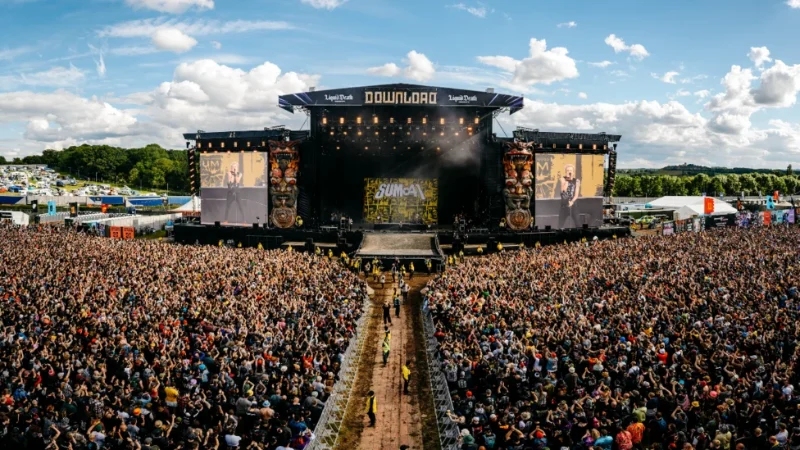
To understand the necessity of this campaign, one must first address the mechanics of hearing. Sound is measured in decibels (dB), a logarithmic scale where even minor increases represent significant jumps in energy. The World Health Organization (WHO) has established that exposure to sounds at or above 85 dB for an extended period—roughly the volume of a lawnmower or heavy traffic—can lead to permanent hearing damage. Most live music venues and festivals operate at levels ranging from 100 dB to 115 dB, particularly near the stage.
At these levels, the duration of "safe" exposure drops dramatically. Research indicates that at 105 dB, permanent damage can occur in less than five minutes of unprotected exposure. Repeated, high-intensity sound waves cause physical trauma to the hair cells within the cochlea, which are responsible for transmitting sound signals to the brain. Unlike other cells in the body, these hair cells do not regenerate. Once they are damaged or destroyed, the resulting hearing loss is generally irreversible.
Tinnitus, the persistent perception of ringing, buzzing, or hissing in the absence of an external sound source, is often the first clinical indicator of this damage. While often temporary after a single concert, recurring exposure can lead to chronic, debilitating tinnitus that impacts sleep, concentration, and mental health.
Chronology of the 2026 Awareness Initiative
The current push for hearing awareness is the result of a multi-year effort to integrate medical safety into the commercial music sector.
In early 2026, Tinnitus UK identified a rising trend in reports of auditory fatigue among younger demographics. By February 2026, during the annual Tinnitus Week, the organization began engaging with stakeholders in the live events industry to discuss infrastructure changes at venues. Following these discussions, the partnership with Download Festival 2026 was formalized in the spring.
The strategy for the festival involves a multi-pronged approach: on-site advocacy, the distribution of high-fidelity hearing protection, and the implementation of "quiet zones" within the festival grounds. This partnership serves as a pilot program; if successful, the protocols established at Download are expected to serve as a blueprint for other major UK festivals in 2027 and beyond.
Data-Driven Realities of Modern Concert-Going
The scale of the issue is supported by data from the charity sector and audiological studies. Millions of people in the UK currently experience some form of tinnitus, and the demographic of those seeking assistance is trending younger. A study conducted by the Royal National Institute for Deaf People (RNID) suggests that nearly one-third of young adults have experienced ringing in their ears after a night out, yet only a small fraction utilize ear protection.
The barrier to adoption is largely behavioral rather than technical. Many fans believe that earplugs "muffle" the sound and ruin the fidelity of the performance. However, modern high-fidelity earplugs, which utilize specialized filters, allow for the attenuation of volume while maintaining the frequency response—effectively "turning down" the concert without stripping away the nuance of the music.
Official Perspectives and Industry Response
The music industry’s response to these health initiatives has evolved from passive acceptance to active collaboration. Festival organizers are increasingly aware of their duty of care. A spokesperson for a major UK event management firm noted that the goal is to make ear protection as ubiquitous as sunscreen or hydration stations. "The goal is not to silence the music, but to ensure that the music can continue to be enjoyed by the fans for decades," the representative stated.
Tinnitus UK has emphasized that the goal is to destigmatize the use of protective gear. By bringing this conversation into the festival environment—where the music is loudest—they aim to normalize the behavior. When a fan sees their peers, or perhaps a touring musician, wearing protection, the psychological barrier to entry is lowered significantly.
Strategic Recommendations for Fans
For the average music fan, safeguarding hearing requires a combination of behavioral adjustments and the use of technology. Experts recommend four fundamental pillars for concert safety:
- High-Fidelity Attenuation: Investing in earplugs designed specifically for musicians and concert-goers. Unlike foam plugs that cut out high frequencies and create a "muddy" sound, high-fidelity plugs lower the decibel level evenly across the spectrum.
- Strategic Positioning: Sound pressure levels decrease significantly as one moves away from the primary sound source. Choosing a location toward the middle or back of the venue, or away from the direct path of the PA system, can reduce exposure by as much as 10 to 20 dB.
- Auditory Recovery Periods: The ears, like any other part of the body, require recovery time. Implementing "quiet breaks"—stepping out of the main stage area for 10 minutes every hour—allows the inner ear hair cells to recover from the stress of high-volume vibration.
- Volume Awareness: Fans should treat the volume of their environment as a variable they can control. If a conversation requires shouting, the environment is likely exceeding 95 dB. At this point, the use of protection is not optional; it is essential.
Protecting the Future of Live Performance
The broader implication of this campaign is the preservation of the live music industry itself. If a generation of fans suffers from significant hearing loss or chronic, painful tinnitus, the demand for live experiences may eventually wane as the negative health outcomes become a deterrent. By addressing these risks now, the industry is effectively protecting its future audience base.
Furthermore, the focus on children’s hearing is particularly pertinent. With more families attending festivals, the use of ear defenders for minors is becoming a standard recommendation. Because children have developing auditory systems, they are more susceptible to long-term damage from high-decibel environments.
Resources and Professional Support
For those who may already be experiencing the onset of tinnitus, the path forward involves early intervention. Tinnitus UK highlights that the condition, while often permanent, is highly manageable. Through cognitive behavioral therapy (CBT), sound therapy, and the use of masking devices, individuals can significantly reduce the impact of tinnitus on their daily lives.
The organization offers a comprehensive suite of resources, including a confidential helpline for those seeking guidance on the next steps, support groups that connect sufferers with peers, and detailed literature on how to manage the psychological aspects of the condition. Accessing this support early can prevent the secondary complications of tinnitus, such as anxiety and sleep disruption.
Conclusion
As the summer of 2026 progresses, the conversation around hearing health serves as a vital reminder that the sensory joy of music is a finite resource. The collaboration between organizations like Tinnitus UK and high-profile events like Download Festival marks a turning point in public health awareness within the entertainment sector. By adopting simple, effective, and scientifically backed protective measures, music fans can ensure that the bass, the melody, and the collective experience of the crowd remain a part of their lives for the long term. The message is clear: protect your ears today to keep the music playing tomorrow. For further information or to speak with a professional about tinnitus concerns, visit the Tinnitus UK official website or contact their support services directly.