A Legacy Rooted in Auditory-Verbal Therapy
The origins of Listen and Talk trace back to the home of Star Leonard-Fleckman, a teacher of the deaf and an auditory-verbal therapist. Nearly three decades ago, Leonard-Fleckman identified a critical gap in early childhood development services for the deaf and hard of hearing. Her vision was to establish a specialized environment where children could develop listening and spoken language skills, thereby enabling them to integrate seamlessly into a hearing world.
What began as a localized effort in a private residence has since expanded into a multifaceted institution. Today, Listen and Talk provides services to over 200 families across Washington, utilizing a hybrid model of in-person clinical sessions and virtual outreach. The organization’s scope now encompasses a comprehensive array of programs: the Birth to Three Program for early intervention, professional audiology services, specialized speech therapy, and the Blended Classroom Program.
The core philosophy remains anchored in auditory-verbal therapy, a methodology that emphasizes the use of residual hearing through technology—such as cochlear implants and hearing aids—to develop spoken communication. By coaching families to create language-rich environments, the organization aims to ensure that children can reason, think independently, and express their thoughts without the necessity of an interpreter. This emphasis on self-advocacy is a cornerstone of their curriculum, designed to prepare children for success in mainstream educational and social settings.
Chronology of Impact: From Basement to Beacon
The trajectory of Listen and Talk is marked by steady, deliberate expansion. In its nascent years, the organization focused primarily on direct therapy. As the efficacy of the auditory-verbal approach became widely recognized in academic and clinical circles, the organization sought to scale its operations to meet rising demand.

- Foundation Phase (1996): Establishment of the organization by Star Leonard-Fleckman in her home, focusing on individualized auditory-verbal therapy.
- Expansion Phase (Early 2000s): Formalization of the Birth to Three Program, recognizing the neurological importance of the first 36 months of life in language acquisition.
- Integration Phase (2010s): Development of the Blended Classroom, which integrates deaf and hard-of-hearing children with hearing peers to foster naturalistic communication environments.
- Technological and Geographical Scaling (2020s): Implementation of robust virtual outreach programs, allowing the organization to serve families in rural or underserved areas across the state, effectively removing geographical barriers to high-quality care.
The Inaugural Walk, Run, and Roll Fundraiser
The recent fundraiser served as both a community-building exercise and a vital financial engine for the nonprofit. Participants engaged in various physical activities—walking, running, and rolling—across multiple locations, including Edmonds, Woodinville, the Olympic Peninsula, and Green Lake. The inclusive nature of the event, which welcomed participants ranging from age 1 to 100, reflected the organization’s commitment to accessibility.
The financial results exceeded initial projections. The organization reported raising over $10,000 through participant donations, a figure that was subsequently matched by founder Star Leonard-Fleckman. With additional contributions, the total funds raised reached upwards of $26,000. These proceeds are earmarked for the direct support of clinical therapy, parent education, and the procurement of state-of-the-art audiological equipment, which is essential for accurate diagnostics and treatment.
Stakeholder Perspectives and Community Engagement
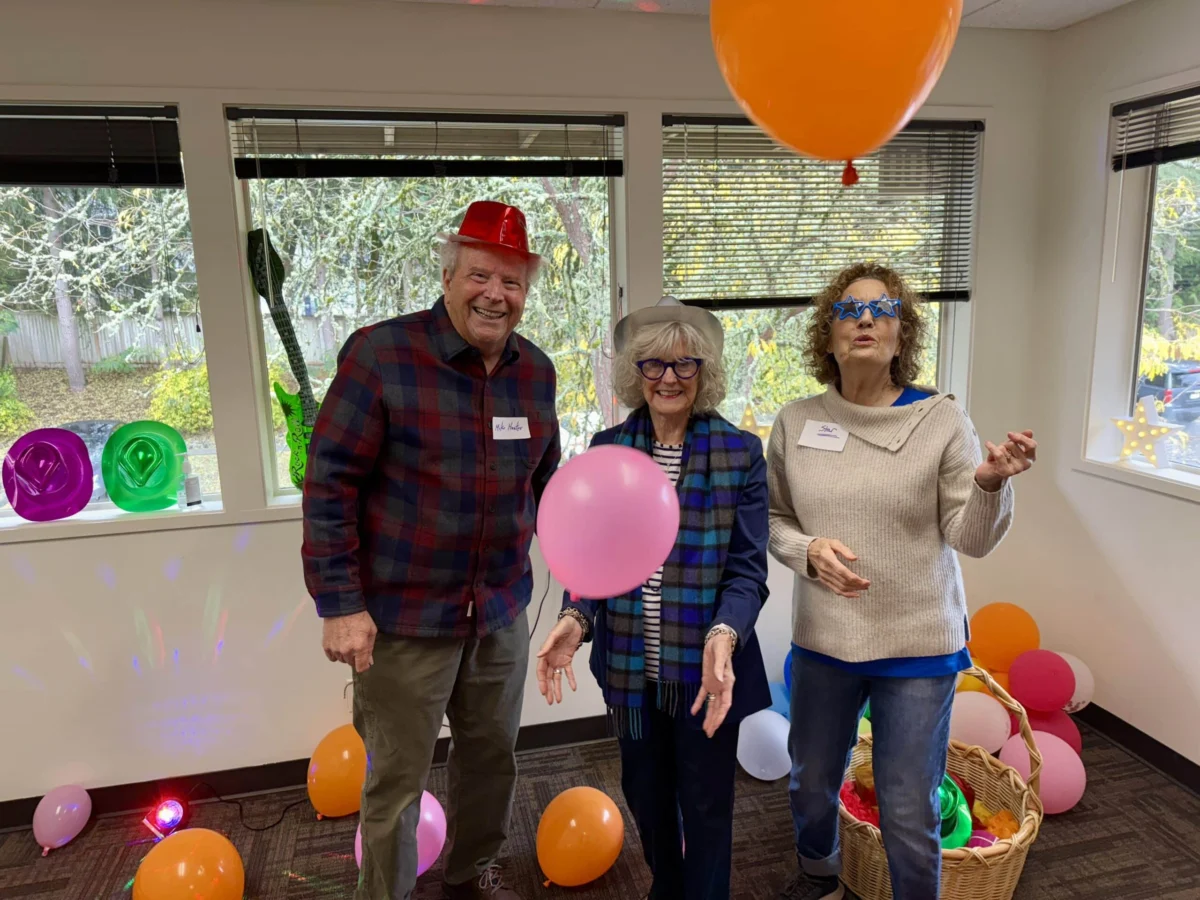
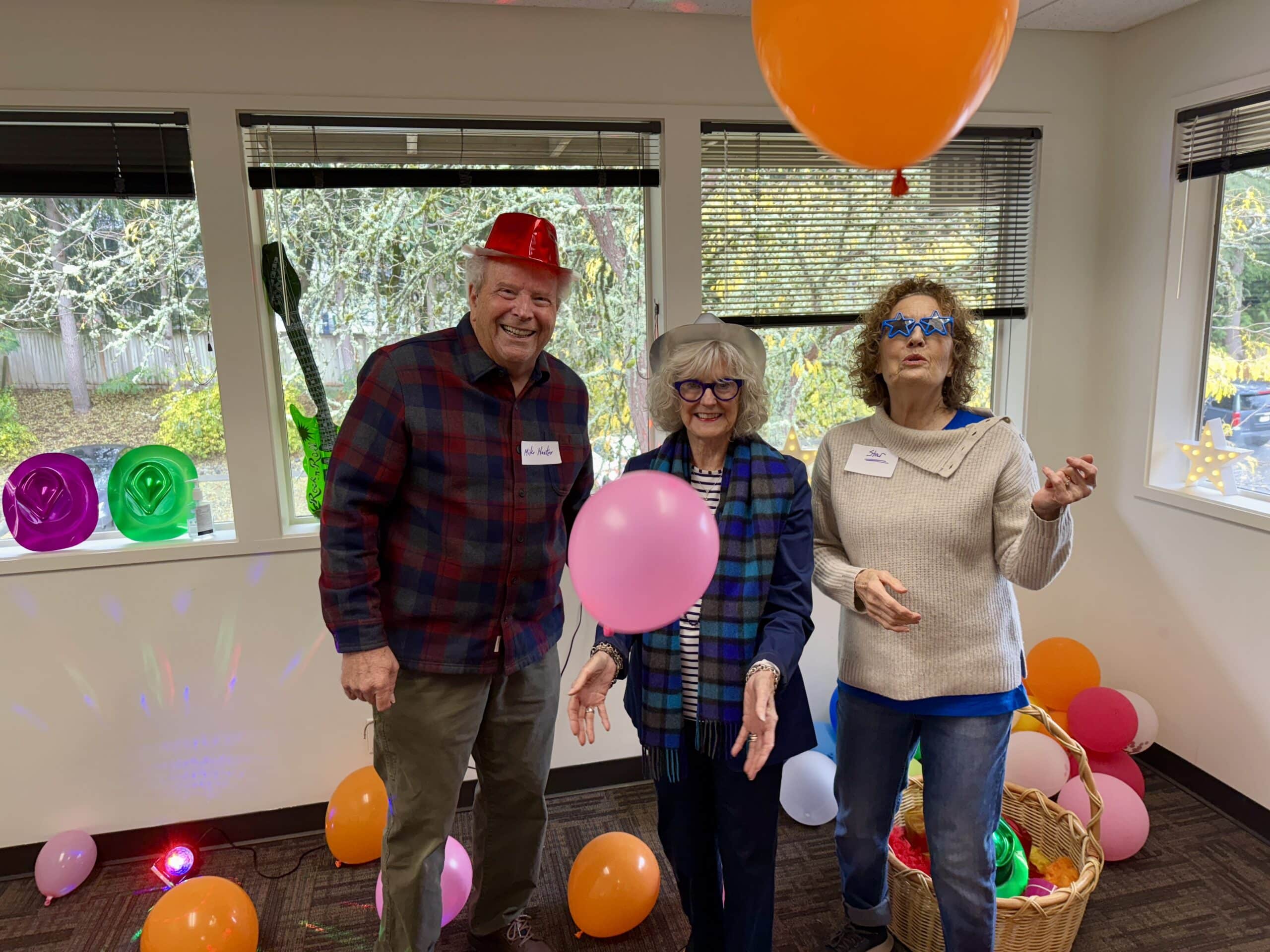
The Founder’s Day event offered a rare opportunity for intergenerational engagement. The presence of alumni families—including former students who have now returned as parents—underscored the long-term impact of the program.
Executive Director Maura Berndsen emphasized that the organization’s strength lies in its ability to adapt to the specific needs of diverse families. "We are proud to serve families who speak over thirty different languages," Berndsen noted. "Our services provide the framework so that families can speak the language of their heart and home."
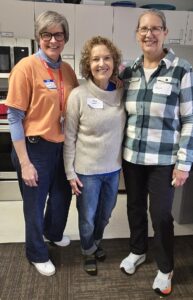
A notable highlight of the day was the "Story Time with Star," a session that brought together current students, alumni, and staff. Such interactions serve a dual purpose: they provide an educational demonstration of progress in listening and spoken language for younger families, while also serving as a reunion for those who have moved through the program. The presence of board members, such as Deborah Masters, further highlighted the administrative and community-based support system that sustains the organization’s operations.
Analysis: The Future of Auditory-Verbal Education
The implications of Listen and Talk’s work extend beyond individual clinical outcomes. As auditory-verbal therapy becomes more sophisticated, the role of institutions like Listen and Talk in the broader healthcare landscape is evolving. By providing a bridge between clinical audiology and classroom-based education, the organization addresses the "communication gap" that often limits children with hearing loss.
Data indicates that early intervention—specifically before the age of three—significantly improves the long-term linguistic and cognitive outcomes for children with permanent hearing loss. By providing specialized training to parents, Listen and Talk ensures that the therapy does not end in the clinic but continues into the home, creating a 24/7 learning environment. This model of "coaching the parent" is increasingly recognized by health policy experts as the most sustainable way to improve public health outcomes for pediatric hearing loss.
Furthermore, the organization’s commitment to serving families across diverse linguistic backgrounds is a critical factor in equity. Providing education that honors the home language while teaching English ensures that children do not lose their cultural identity while gaining the skills to participate in a broader society.
Looking Ahead: Sustaining the Mission
As Listen and Talk approaches its third decade, the focus remains on the scalability of its mission. The success of the inaugural Walk, Run, and Roll demonstrates that there is a robust base of community support, which is essential for an organization that relies on philanthropy to augment its clinical and educational funding.

The funds raised during this period are critical. With advancements in cochlear implant technology and hearing aids, the need for high-quality, long-term speech and language therapy has never been greater. The organization’s plans for the coming year include:
- Program Enhancement: Increasing the availability of the Blended Classroom to accommodate more students.
- Outreach Expansion: Utilizing digital tools to reach more families in Washington’s more remote, underserved regions.
- Professional Development: Providing continued training for staff in the latest auditory-verbal techniques to ensure that the quality of therapy remains at the forefront of the field.
The vision that "no child is limited by hearing loss" remains the guiding principle of the organization. As the community looks toward the future, the integration of technology, family-centered therapy, and community philanthropy suggests a stable path forward. The success of this 29th-anniversary celebration serves as a testament to the fact that when children are provided with the tools to listen, they gain the power to shape their own narratives.
For those interested in supporting the mission of Listen and Talk, the organization continues to accept donations through its website. These contributions facilitate access to early intervention services, specialized therapy, and the educational resources necessary to ensure that every child, regardless of their hearing status, has the opportunity to thrive in an environment of spoken communication. Through sustained public and private support, the organization aims to continue its work, ensuring that the dream born in a basement 29 years ago continues to provide a voice to the next generation.