A Chronology of Early Intervention
The clinical roadmap for children born with permanent hearing loss is often measured in months, where early milestones dictate long-term cognitive and social outcomes. Marna’s experience follows a structured, evidence-based timeline that is increasingly becoming the gold standard in pediatric care.
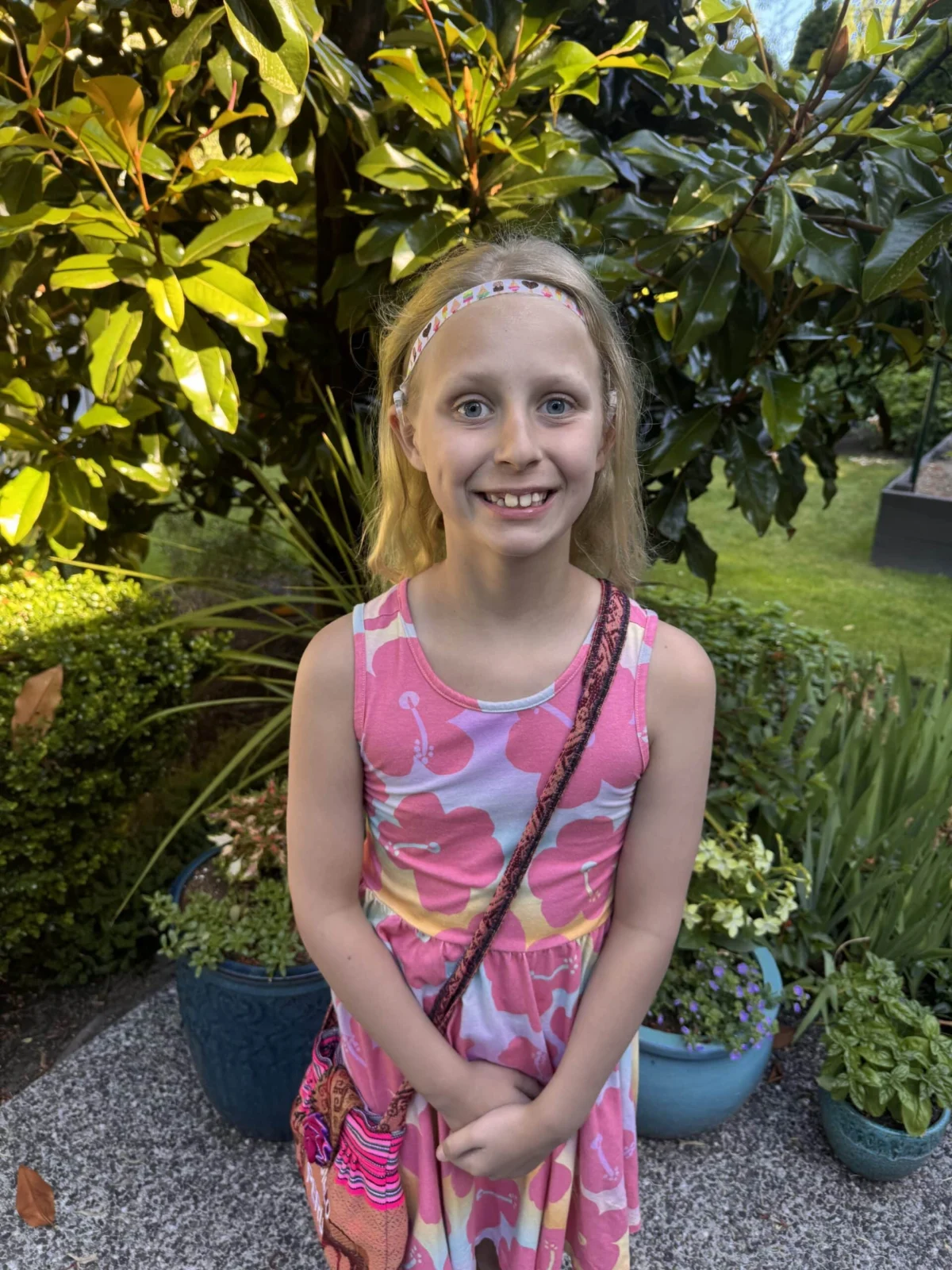
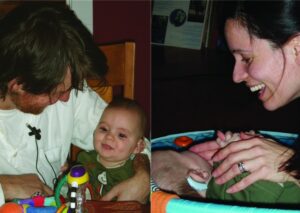
Diagnosed with hearing loss shortly after birth, Marna received her first set of hearing aids at two months of age—a critical window for brain plasticity. This initial intervention was followed by a sequential implementation of cochlear implants: the first at twelve months and the second at two years. This timeline is consistent with recommendations from the American Academy of Pediatrics, which emphasizes that for children who are deaf or hard of hearing, the "wait and see" approach is detrimental. By providing sensory input during the most sensitive periods of language development, clinicians and educators can bridge the gap between diagnosis and functional communication.
Following the surgical and medical components of her care, Marna entered the Listen and Talk Birth-to-3 program. This phase is characterized by home-based therapy, where parents are coached as primary facilitators of language. By integrating LSL strategies into daily routines, the family ensured that Marna’s development was not confined to a clinical setting but woven into the fabric of her home life.
The Impact of Blended Classroom Environments
Between the ages of three and five, Marna transitioned into a "blended classroom" model. This educational framework, which combines typically hearing children with children who are deaf or hard of hearing, is designed to normalize the use of assistive technology while fostering organic social development.
Educational research suggests that peer-to-peer interaction in inclusive settings yields superior outcomes for social-emotional growth. In these classrooms, teachers are specifically trained to optimize the acoustic environment, ensuring that the classroom layout, noise levels, and instructional delivery are accessible to children using cochlear implants. For Marna, this period was foundational. It was here that she moved beyond the mechanics of listening and speaking to develop the social confidence required to navigate environments where she was the only student using technology.
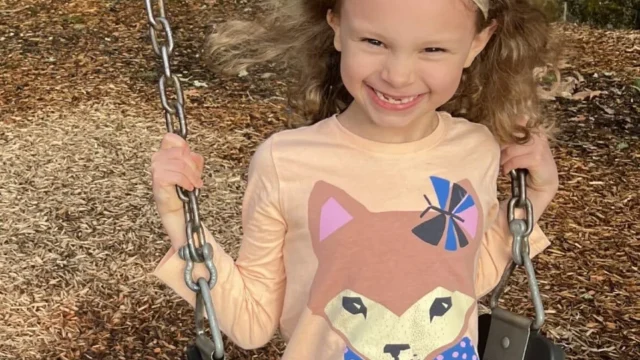
This environment provided more than just language acquisition; it offered a social cohort. By interacting with peers who faced similar challenges, Marna learned to advocate for her needs, a skill set that has proven essential in her current academic and extracurricular pursuits, which include soccer, lacrosse, softball, and competitive swimming.
Supporting Data: The Efficacy of LSL
The success of programs like those offered by Listen and Talk is supported by a growing body of longitudinal data. Studies published in the Journal of Deaf Studies and Deaf Education indicate that children who receive early, consistent intervention and attend programs focused on spoken language demonstrate verbal reasoning scores comparable to their hearing peers by the time they enter elementary school.

Furthermore, the integration of bilateral cochlear implants—the technology used by Marna—has revolutionized spatial hearing and speech perception in noise. According to the Cochlear Implant Association, bilateral implantation allows for "binaural summation," which provides the user with improved localization of sound and better speech recognition in challenging environments like classrooms or playgrounds. When paired with high-quality LSL therapy, these technological advancements allow children to participate fully in mainstream education systems without the need for segregated environments.
The Economic and Social Necessity of Alumni Giving
The sustainability of such specialized services is heavily dependent on community support and philanthropic initiatives. The "Alumni Family Giving Campaign" currently being promoted by Listen and Talk is an example of the circular economy of care in the disability services sector. As children who have benefited from these programs move into adulthood, their families often become the primary advocates and donors, ensuring that the next generation of infants receives the same high-touch, expert care.
The financial burden of early intervention is significant, encompassing the cost of high-tech hardware, ongoing audiological maintenance, and specialized educational staffing. By supporting campaigns like these, the broader community helps mitigate the cost barriers that often prevent families from accessing state-of-the-art LSL support. The goal, as articulated by practitioners in the field, is to reach a point where no child is limited by hearing loss—a vision that requires sustained, long-term funding models rather than one-time grants.

Implications for Future Policy
The story of Marna Klein is a case study in the broader potential for policy reform in early childhood disability services. As more states move to mandate universal newborn hearing screenings and improve insurance coverage for cochlear implants and speech therapy, the role of institutions like Listen and Talk becomes even more vital.
Fact-based analysis suggests that the economic return on investment for early intervention is substantial. Children who receive comprehensive support in their first five years are statistically more likely to graduate high school, pursue higher education, and enter the workforce as independent, self-sufficient adults. When hearing loss is treated as a manageable condition rather than a life-altering deficit, the long-term cost to the public health and education system is significantly reduced.
A Model for Self-Advocacy
Beyond the academic and developmental data, the most profound outcome of Marna’s journey is her ability to self-advocate. Her parents note that she is not only proud of her identity as a cochlear implant user but is also capable of explaining her needs to teachers, coaches, and peers. This internal locus of control is often cited by pediatric psychologists as the single most important factor in the success of children with chronic health conditions.
By equipping children with the tools to communicate their challenges, educators shift the burden of accommodation from the child to the environment. Whether on the soccer field or in the library, Marna’s success is the result of a coordinated effort between medical experts, dedicated educators, and an engaged family.
Conclusion: Sustaining the Momentum
As the Listen and Talk organization looks toward the future, the focus remains on maintaining the high standard of care that has enabled students like Marna to thrive. The "Alumni Family Giving Campaign" is not merely a request for funding; it is a call to recognize the life-changing impact of early intervention.
The success of the program is best summarized by the children it serves. By providing a bridge between the clinical diagnosis and the social world, these initiatives ensure that the sound of a book being turned, the whistle on a lacrosse field, and the voices of friends are never out of reach. For the families who have experienced this transformation, the continued existence of these services is an imperative. Through continued advocacy and public support, the vision of a world where hearing loss does not dictate a child’s potential remains an achievable, and necessary, reality.