A Foundation of Early Intervention
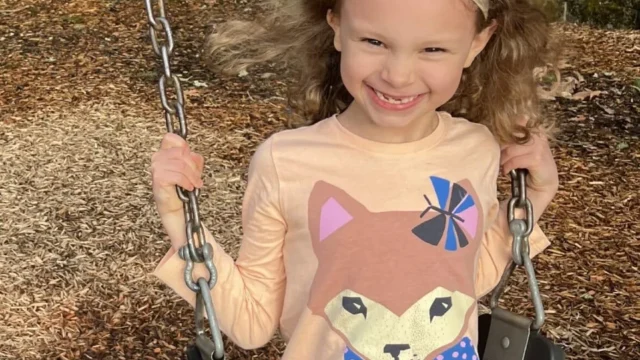
The narrative of Nolfi-Browne’s success traces back to the formative years of Listen and Talk, an organization dedicated to empowering children who are deaf or hard of hearing. Nolfi-Browne entered the program approximately a decade after its inception, receiving foundational support from specialists such as Maura and Star. These early years were characterized by intensive speech therapy and audiological development, which provided the communicative framework necessary for his later academic pursuits.
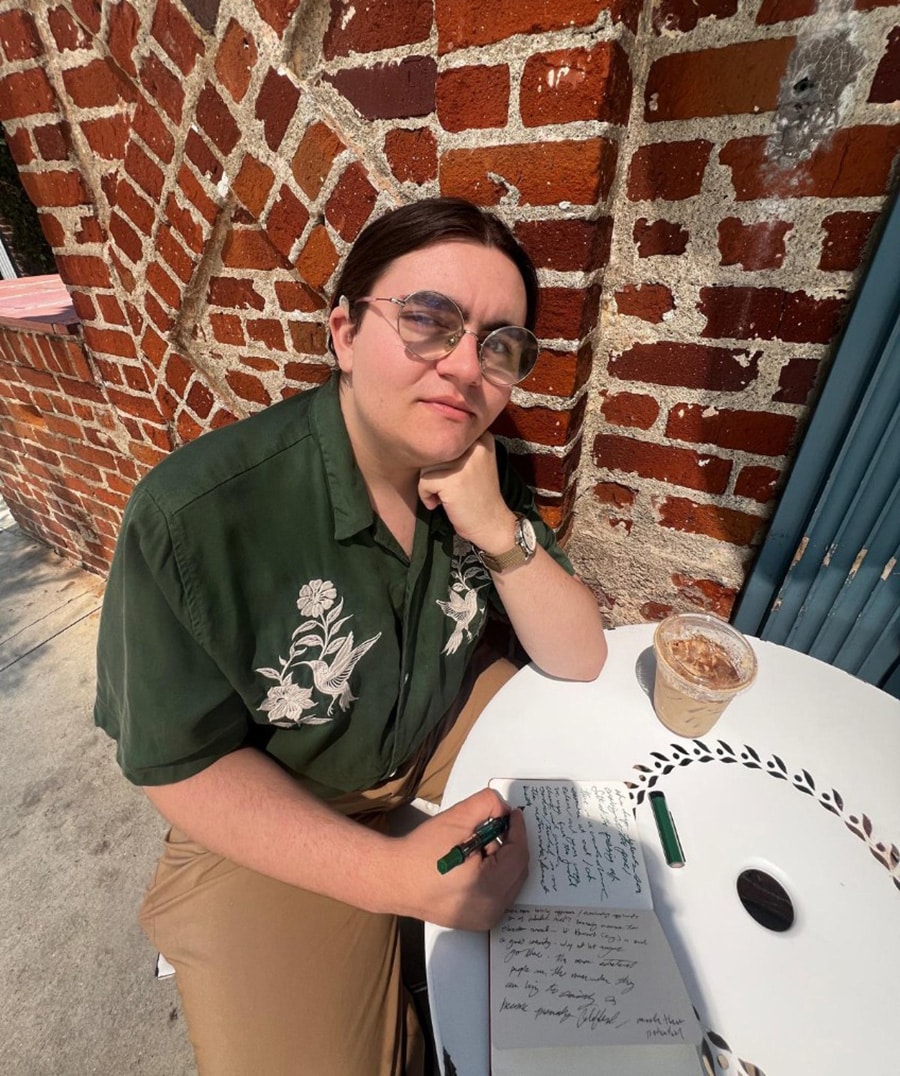
Reflecting on this period, Nolfi-Browne’s parents emphasize the transformative role of early intervention. They note that the support provided by the organization’s staff was not merely clinical; it was an act of guidance that illuminated a path toward autonomy. According to his family, the intervention allowed Nolfi-Browne to cultivate a mindset of self-determination, which has remained the cornerstone of his identity as he has moved through higher education and professional environments.
Chronology of Academic Excellence
Nolfi-Browne’s academic journey is marked by an unusual acceleration and a consistent record of high achievement. His transition from traditional classroom settings to advanced academic environments began early:
- Elementary and Middle School Years: Dissatisfied with the pace of standard curricula, Nolfi-Browne began auditing and enrolling in community college courses while still in the 6th grade. By the time he reached junior high, he had already completed several semesters of college-level coursework, eventually serving as a tutor for his peers.
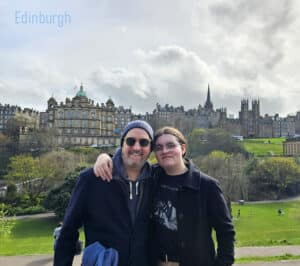
- The Edinburgh Experience: Following the disruptions of the COVID-19 pandemic, Nolfi-Browne sought to challenge himself further. At age 17, he relocated to the United Kingdom to attend the University of Edinburgh. His work in the history department there drew significant praise, with his papers achieving a level of quality typically reserved for professional academic publication.
- The UCLA Transition: Upon returning to the United States, Nolfi-Browne transferred to the University of California, Los Angeles (UCLA). His tenure at UCLA has been defined by a perfect grade point average and significant faculty mentorship. His contributions were recognized when a professor offered him an advisership, subsequently nominating him to represent the university as an inaugural member of the Undergraduate Advisory Council at the Gilder Lehrman Institute of American History.
Public Policy and Professional Engagement
Beyond the walls of the academy, Nolfi-Browne has translated his historical expertise into tangible public service. His involvement in local governance has been particularly notable; he has worked closely with San Francisco Board of Supervisors member Myrna Melgar. His contributions to public policy initiatives in this capacity have garnered professional acclaim, including a recent standing ovation for his efforts in legislative advocacy.
This intersection of history and public policy reflects a broader trend in high-achieving undergraduate students who seek to apply theoretical knowledge to contemporary societal issues. By engaging with municipal government, Nolfi-Browne has demonstrated that the skills honed through his history degree—critical analysis, research, and communication—are directly applicable to the complexities of urban governance and public administration.
Data-Driven Perspectives on Early Intervention
The success of individuals like Nolfi-Browne provides vital data points for the efficacy of specialized educational frameworks for the hearing impaired. Research consistently indicates that early intervention—defined as services provided from birth to age three—is the most significant predictor of long-term academic and social success for children with hearing loss.
According to studies from the National Institute on Deafness and Other Communication Disorders (NIDCD), children who receive early intervention for hearing loss exhibit significantly higher literacy rates and are more likely to integrate into mainstream educational settings compared to those who do not receive such services. The Listen and Talk model, which emphasizes family-centered education and auditory-verbal therapy, aligns with these evidence-based practices. The organization’s impact is measured by the graduation rates of its alumni and their subsequent enrollment in institutions of higher education, where Nolfi-Browne stands as a high-achieving representative.
The Philosophy of Living Without Limits
The "Life Without Limits" award is, according to the organization, an acknowledgment of a recipient’s ability to navigate systemic and personal obstacles. For Nolfi-Browne, this philosophy is not abstract. His ongoing work on his honors thesis at UCLA serves as the culmination of his undergraduate efforts.
He defines the "no limits" approach as a sustained commitment to forward momentum, even when the trajectory of one’s career or education does not unfold as originally planned. This resilience, he suggests, is the primary driver of success. His journey indicates that the ability to pivot—to move from local school settings to international universities and then to high-stakes policy work—is a learned behavior reinforced by the early confidence-building strategies he received in his youth.
Broader Implications and Institutional Impact
The recognition of Nolfi-Browne serves as a powerful fundraising and awareness tool for Listen and Talk. By showcasing a success story of this magnitude, the organization illustrates the long-term return on investment of early childhood education. Donations to such programs fund not only speech therapy and audiology but also parent education, which is frequently cited as the most critical component in ensuring that the benefits of early intervention are sustained throughout a child’s adolescence and into adulthood.
The broader implications of Nolfi-Browne’s achievements are two-fold. First, they challenge lingering societal biases regarding the capabilities of students with hearing loss, proving that with appropriate resources, there are no ceilings to academic or professional ambition. Second, they highlight the necessity of flexible educational pathways. Nolfi-Browne’s ability to move between community college, international institutions, and elite state universities suggests that traditional "linear" education is not the only—or even the most efficient—pathway for gifted students.
Future Outlook
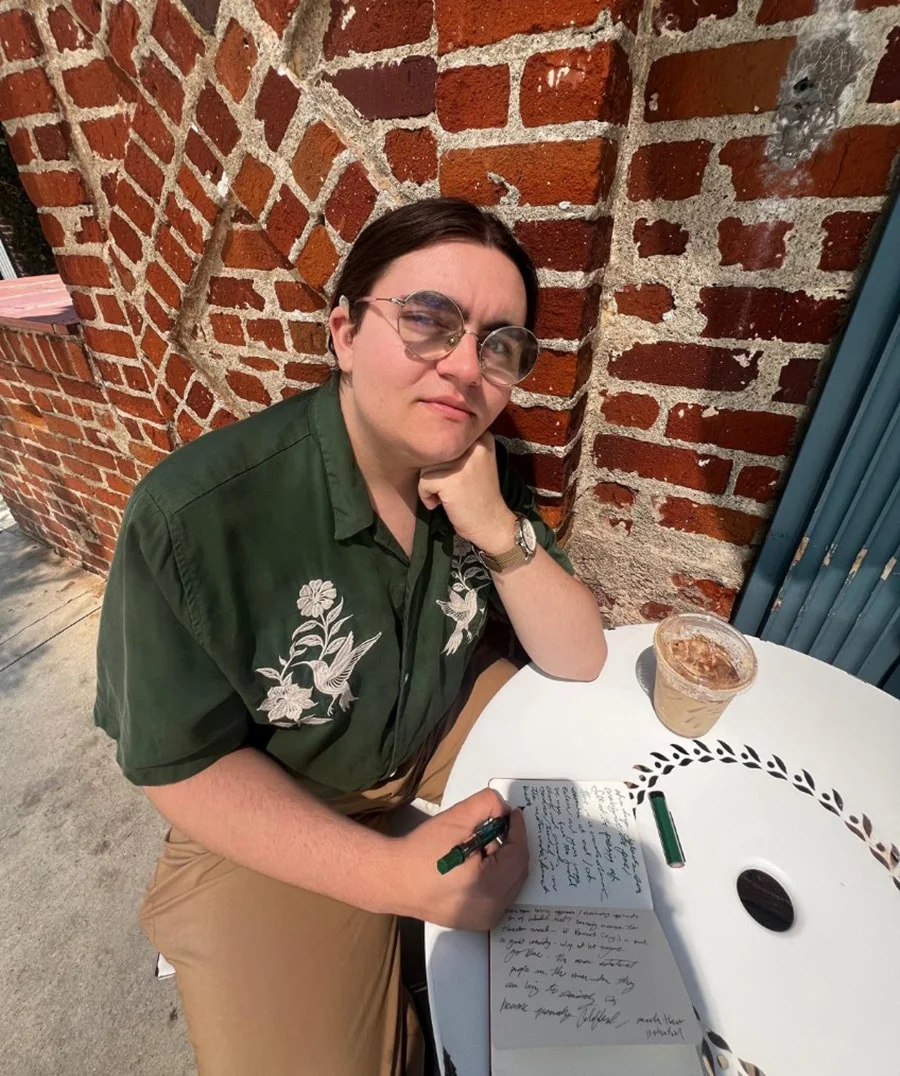
As Nolfi-Browne nears the completion of his degree and prepares for post-graduate opportunities, the academic community is closely watching his trajectory. His combination of historical rigor and practical policy experience positions him well for a career in law, public service, or academia.
The Listen and Talk community has expressed immense pride in his trajectory, framing his accomplishments as a validation of their mission. "We are rooting for you all the way," representatives stated, noting that his success acts as a beacon for current families within the organization who are navigating the early, often overwhelming, stages of their children’s diagnosis and education.
For donors and supporters of Listen and Talk, Nolfi-Browne’s story provides a tangible example of how financial contributions facilitate the necessary infrastructure for success. As the organization continues to evolve, the goal remains the same: ensuring that every child, regardless of their hearing status, is equipped with the tools necessary to define their own path, forge their own opportunities, and, ultimately, live a life without limits.