A Chronology of Early Intervention
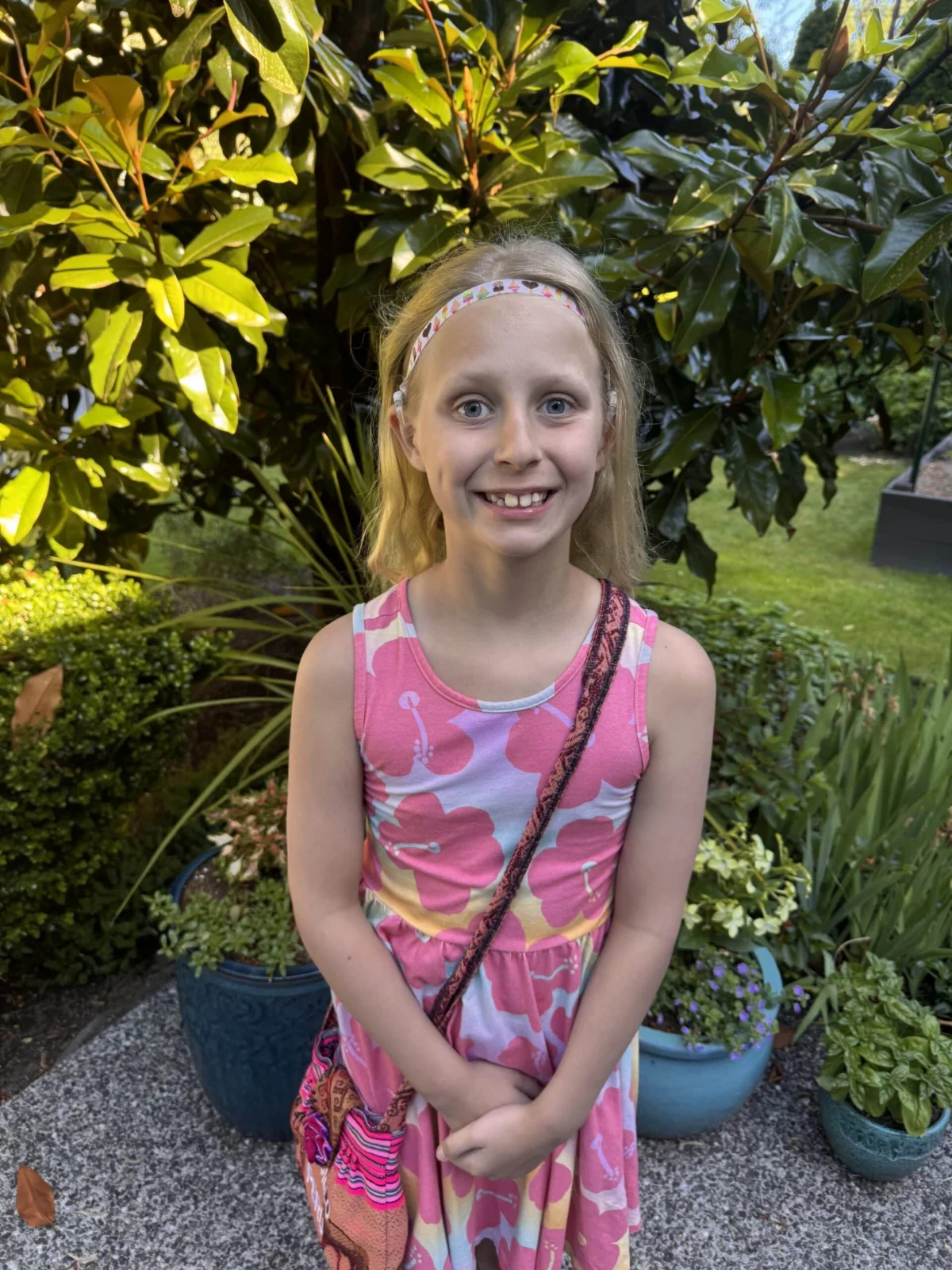
Marna’s path toward linguistic and social integration began with early identification. According to the Joint Committee on Infant Hearing (JCIH), the "1-3-6" rule—screening by one month, diagnosis by three months, and intervention by six months—is the gold standard for maximizing developmental outcomes. Marna exceeded these benchmarks, receiving her first set of hearing aids at two months of age. This prompt initiation allowed for early auditory stimulation, which is critical for neural plasticity during the foundational years of brain development.
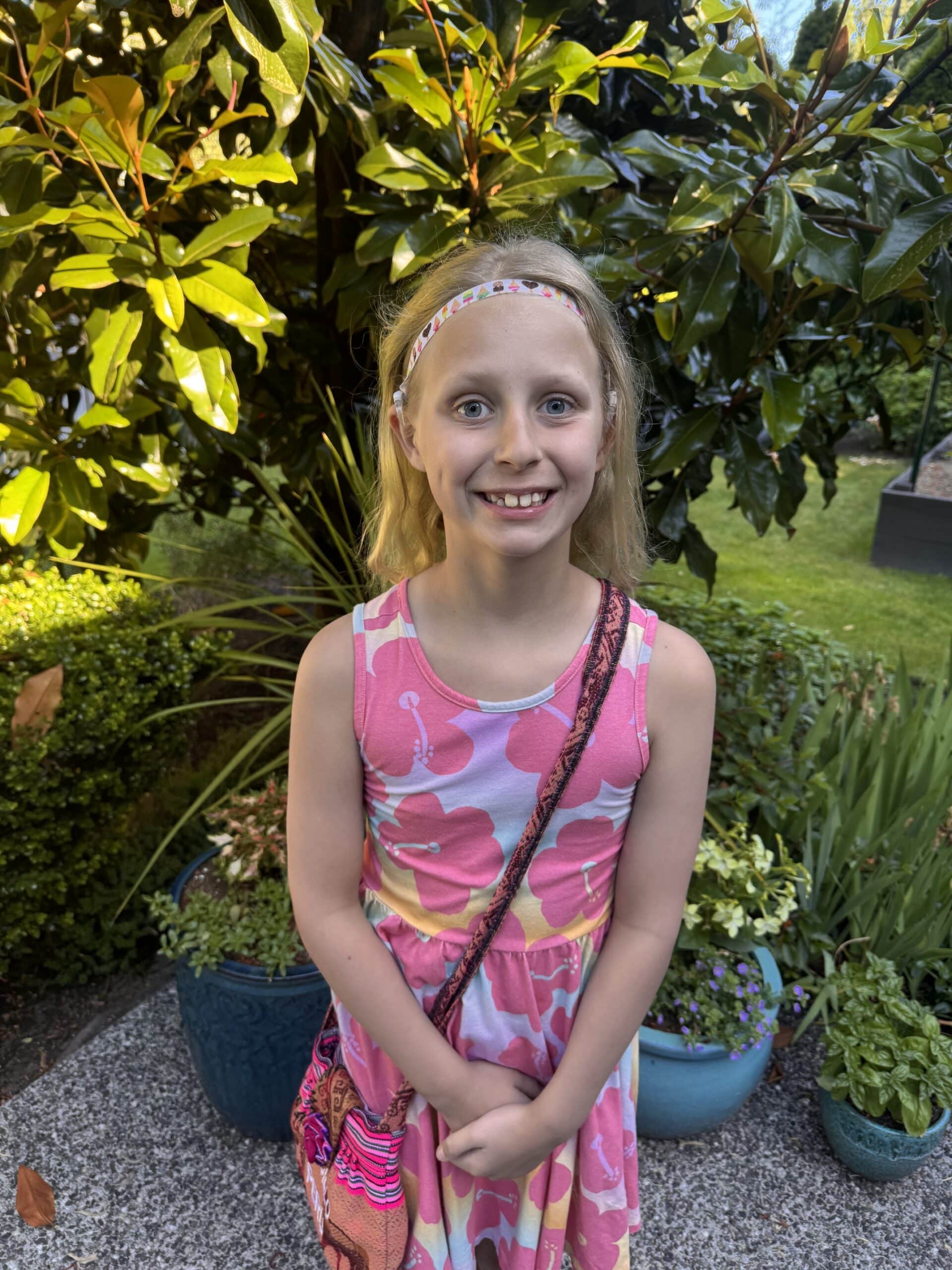
At 12 months, Marna underwent her first cochlear implant surgery, followed by a second implant at age two. The transition from traditional amplification to cochlear implants (CIs) represents a significant technological leap. Unlike hearing aids, which amplify acoustic signals, CIs bypass damaged hair cells in the cochlea to stimulate the auditory nerve directly. The success of this transition is largely dependent on the patient’s ability to adapt to the processed signal, a process facilitated by the LSL intervention model.
From age three to five, Marna participated in the Blended Classroom program at Listen and Talk. This model is designed to integrate DHH children with peers in an environment that prioritizes speech development, vocabulary acquisition, and social pragmatics. By integrating clinical therapy with daily preschool interactions, the program aims to bridge the gap between medical intervention and academic readiness.
The Science of Listening and Spoken Language (LSL)
The LSL approach employed in Marna’s early development is rooted in neuroplasticity. Research published in the Journal of Deaf Studies and Deaf Education suggests that children who receive consistent, high-quality auditory input in their early years are significantly more likely to achieve age-appropriate literacy and language skills.
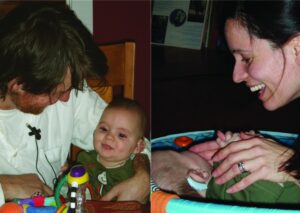
In the LSL model, parents and caregivers are trained to serve as the primary facilitators of language. Through home visits and specialized coaching, families learn to create "auditory-rich" environments. For Marna, this meant that her family was not merely observers of her therapy, but active participants in her cognitive development. This collaborative model transforms the home into a laboratory for speech development, ensuring that the child is exposed to consistent linguistic input that mirrors that of hearing peers.
Supporting Data and Long-term Outcomes
The broader implications of early intervention are reflected in national educational statistics. Historically, DHH children have faced significant achievement gaps in reading and standardized testing compared to their hearing counterparts. However, organizations like Listen and Talk report that when intervention begins in the "Birth-to-3" window, students are far more likely to integrate into mainstream general education settings by the time they enter elementary school.
Data from the American Cochlear Implant Alliance indicates that children with bilateral implants who receive early, consistent, and intensive therapy often achieve speech perception and production levels that allow them to participate fully in extracurricular activities, such as the sports and reading clubs that define Marna’s current life. The "full volume" approach—a term used by Marna’s family to describe her active engagement in activities like lacrosse, softball, and soccer—is not merely a lifestyle choice but a clinical marker of successful auditory rehabilitation.

Institutional Impact and the Role of Philanthropy
The success of individual students like Marna is inextricably linked to the institutional stability of specialized programs. The "Listen and Talk" model, which combines clinical support with classroom learning, requires significant funding to maintain the low student-to-teacher ratios necessary for individualized auditory training.
In light of rising demand for specialized services, the organization has launched its 2026 Alumni Family Giving Campaign. This initiative serves as both a fundraising vehicle and a platform for documenting longitudinal success stories. By inviting alumni to contribute, the organization aims to ensure that future cohorts of children have access to the same resources—specialized teachers, audiological support, and community-building initiatives—that allowed Marna to thrive.
The economic and social impact of these programs is profound. By fostering self-advocacy and confidence in children at an early age, these institutions reduce the long-term reliance on remedial special education services later in life. When a child learns to navigate the world with cochlear implants, they are not just overcoming a disability; they are mastering a set of communication tools that enable them to pursue higher education and professional careers.

Perspectives on Advocacy and Identity
A critical component of Marna’s growth, according to her parents, has been the development of her self-esteem and identity as a user of assistive technology. Advocates for LSL emphasize that "advocacy" is a learned skill. Throughout her time in the Blended Classroom, Marna was encouraged to take ownership of her hearing devices, communicate her needs to teachers, and engage with peers about the technology she uses.
This sense of agency is vital. A 2023 study on psychosocial outcomes for children with cochlear implants found that students who feel "connected" to a community of peers with similar experiences report higher levels of life satisfaction and better emotional regulation. By interacting with other children who also utilize implants, Marna was able to normalize her experience, removing the potential stigma associated with hearing loss and replacing it with a sense of belonging.
Implications for the Future of Auditory Education
The case of Marna Klein serves as a reminder of the "no child is limited by hearing loss" philosophy that drives current clinical and pedagogical efforts. As medical technology continues to advance—with improvements in electrode arrays, battery life, and wireless connectivity for CIs—the role of educational support becomes even more essential. Technology provides the access to sound, but programs like Listen and Talk provide the meaning behind that sound.
The broader implications for society are clear: when children with hearing loss are provided with the right interventions at the right time, the "disability" becomes a manageable aspect of their identity rather than a barrier to achievement. The success of these programs relies on the ongoing partnership between clinicians, educators, parents, and the philanthropic community.
As Marna enters the next phase of her education, her story underscores the necessity of sustained support for early intervention services. The Alumni Family Giving Campaign, which is currently seeking to bolster these programs, acts as a bridge for future generations of children who are currently waiting for the early diagnosis and intervention that will allow them to live their own lives "at full volume."
In conclusion, the integration of technological advancements with pedagogical excellence remains the most effective strategy for ensuring that children with hearing loss reach their full potential. Marna’s story is not just one of individual achievement; it is a testament to the power of a coordinated, community-based approach to early childhood education and pediatric healthcare. Through the continued support of such initiatives, the vision of a world where hearing loss does not dictate a child’s future becomes increasingly attainable.