This comprehensive guide explores the surprising range of activities individuals with cochlear implants can enjoy, while also highlighting important considerations and precautions for situations that require a little extra care. The information presented aims to empower CI users and their families with the knowledge to navigate their world with confidence, ensuring that their hearing solution enhances, rather than restricts, their quality of life.
Embracing the Spectrum of Activities: What You Can Do
The advancements in cochlear implant technology have dramatically expanded the possibilities for individuals with hearing loss. What was once considered a significant barrier is now often an opportunity to adapt and thrive.
The Resonant World of Music
The question of whether one can enjoy music with a cochlear implant is met with an emphatic "absolutely." While the auditory experience of music may differ from pre-implant listening, and individual perception varies, a significant number of cochlear implant users find immense pleasure in listening to music, attending concerts, singing, and even playing musical instruments. This enjoyment is often a journey of rediscovery, with music appreciation developing over time and with consistent practice.
For those new to experiencing music through their CI, starting with familiar pieces or compositions with simpler arrangements, such as those featuring one or two instruments, can be beneficial. This approach aids the brain in its process of learning to interpret a new form of auditory input. The brain’s capacity to adapt and process sound is remarkable, and consistent exposure to music is key to unlocking its nuances.
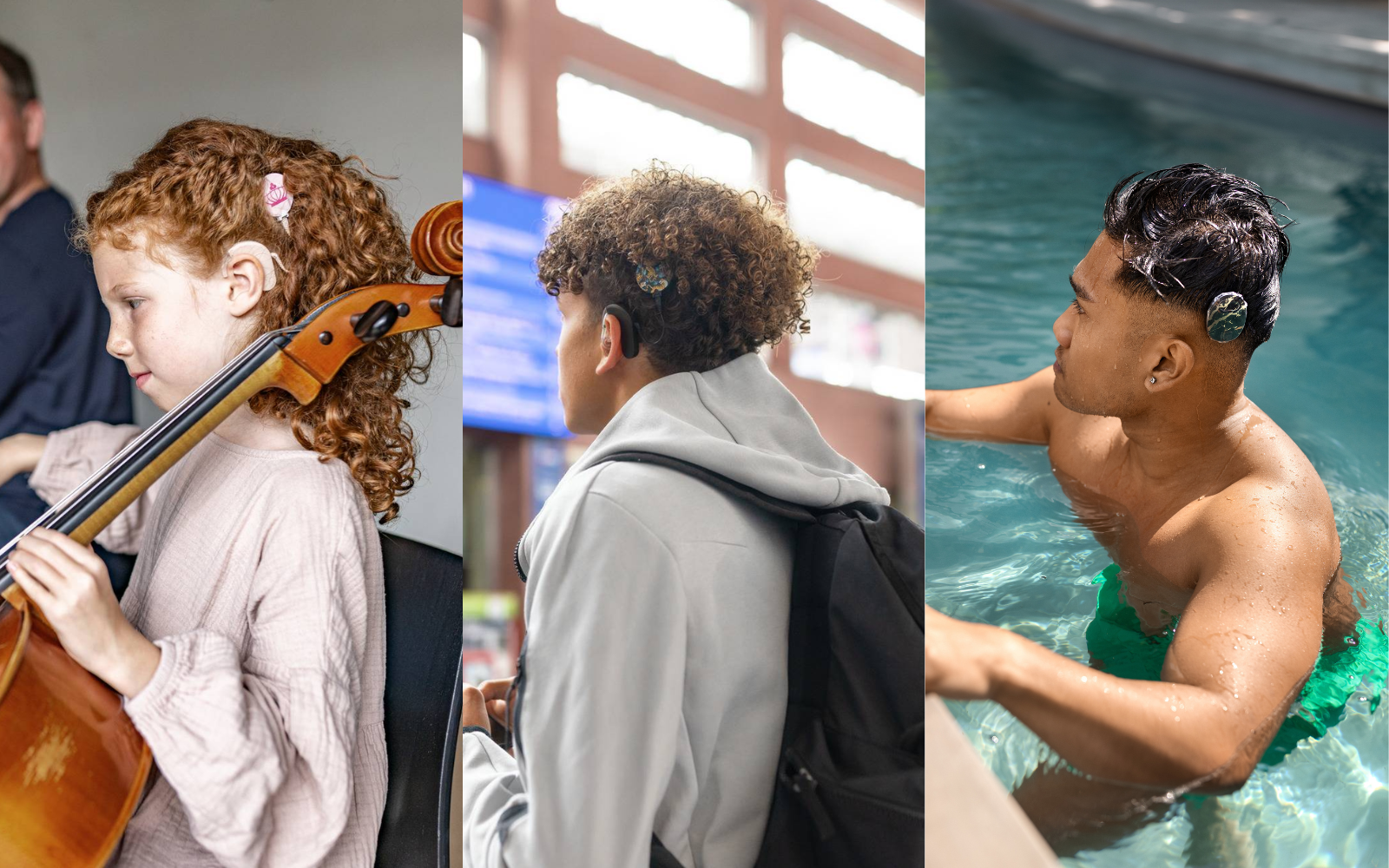
Technological integration further enhances the musical experience. Modern audio processors, such as the MED-EL SONNET 3, offer direct streaming capabilities, allowing music to be sent directly from a compatible smartphone or tablet to the audio processor in high-quality stereo sound. For users of the RONDO 3, the AudioStream Adapter provides similar streaming functionality. This direct connection bypasses potential sound degradation and provides a more immersive listening experience. The more one engages with music through their CI, the more opportunities the brain has to refine its ability to recognize and appreciate its complexities.
Exploring the Globe: Travel with Ease
Cochlear implants are remarkably travel-friendly, whether embarking on short domestic trips or long-haul international journeys. Airport security systems are generally safe for CI users. It is advisable to inform security personnel about your medical device and to carry your CI identification card. This proactive step can facilitate a smoother screening process.
Effective preparation can significantly enhance the travel experience. Essential CI equipment, including spare batteries, charging devices, and any necessary accessories, should always be packed in carry-on luggage. Considering a travel kit that includes a small toolkit for minor adjustments, a cleaning kit, and perhaps a portable charger can be invaluable. For those traveling to regions with different power outlets, a universal adapter is a must.
Furthermore, keeping your CI powered and functional is paramount. Understanding battery life and carrying spares or a reliable charging solution ensures uninterrupted hearing throughout your journey. Researching local medical facilities or MED-EL support contacts at your destination can also provide peace of mind. For detailed guidance, resources like MED-EL’s article on "Essential tips for hassle-free travel with cochlear implants" offer further insights.
Making a Splash: Swimming and Water Activities
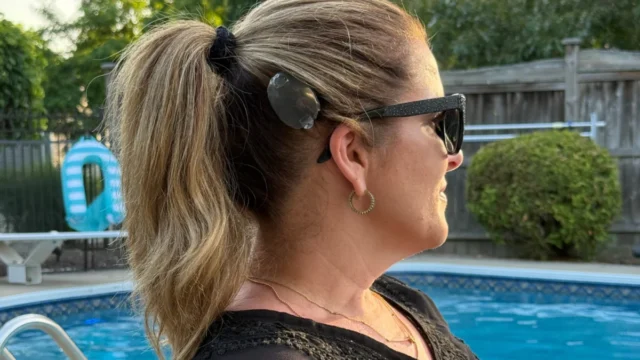
The ability to swim with a cochlear implant often surprises many. The internal component of the implant is safely situated beneath the skin, rendering it immune to water exposure. The external audio processor, however, requires protection. With the use of specialized waterproof coverings, such as MED-EL’s WaterWear, the audio processor can be rendered fully waterproof, allowing users to confidently engage in a variety of water-based activities.
This means enjoying swimming pools, beaches, water parks, and even water sports without concern for water damage to the external device. It is crucial, however, to ensure the audio processor is securely attached to prevent it from becoming dislodged during vigorous activity. Depending on the intensity of the water activity, the use of a comfortable headband, swim cap, attachment clip, or other secure fixation options can provide an added layer of security.

Staying Active: Sports and Recreation
Cochlear implants do not need to be a deterrent to an active lifestyle. Activities such as running, hiking, cycling, dancing, yoga, and skiing are well within reach for most CI users. Many individuals with CIs participate in recreational sports, and some even compete at professional levels.
The primary considerations for active pursuits involve protecting the implant area and ensuring the external audio processor remains securely in place. For activities like running, dancing, or football, a fixation accessory can prevent the processor from falling off. When engaging in sports that require a helmet, such as cycling, skiing, or horseback riding, it is essential to ensure a proper fit that does not exert undue pressure on the implant or audio processor.
Contact sports and activities with a high risk of head impact may necessitate more specific precautions. Consulting with a hearing care professional about the particular sport, appropriate protective measures, and whether removing the audio processor is recommended is crucial.
Thrills and Spills: Amusement Park Adventures
Amusement parks, with their array of rides and attractions, are generally accessible to cochlear implant users. The majority of rides, including roller coasters, can be enjoyed without issue. The key is to ensure the audio processor is securely fastened to prevent accidental dislodgement. For rides involving high speeds or significant G-forces, users should adhere to the specific guidance provided for their cochlear implant system and the safety instructions of the ride operator. When in doubt about a particular attraction, contacting a local MED-EL team for clarification before visiting the park is a prudent step.
Medical Procedures: MRI Scans and Dental Care
Magnetic Resonance Imaging (MRI): The ability to undergo MRI scans with a cochlear implant is dependent on the specific model of the implant. Since 1994, all MED-EL cochlear implants have been designed as "MR conditional." This means that MRI scans can be performed safely when the specific conditions outlined for the implant model are meticulously followed. For recipients with a SYNCHRONY series implant, MRI scans at both 1.5 Tesla and 3.0 Tesla can typically be performed without the need for magnet removal, thereby avoiding additional surgery and temporary hearing cessation. As with any medical procedure, it is imperative to inform healthcare providers and the radiology team about the presence of a cochlear implant prior to the scan. They will review the MRI conditions specific to the implant model to ensure a safe and smooth process.
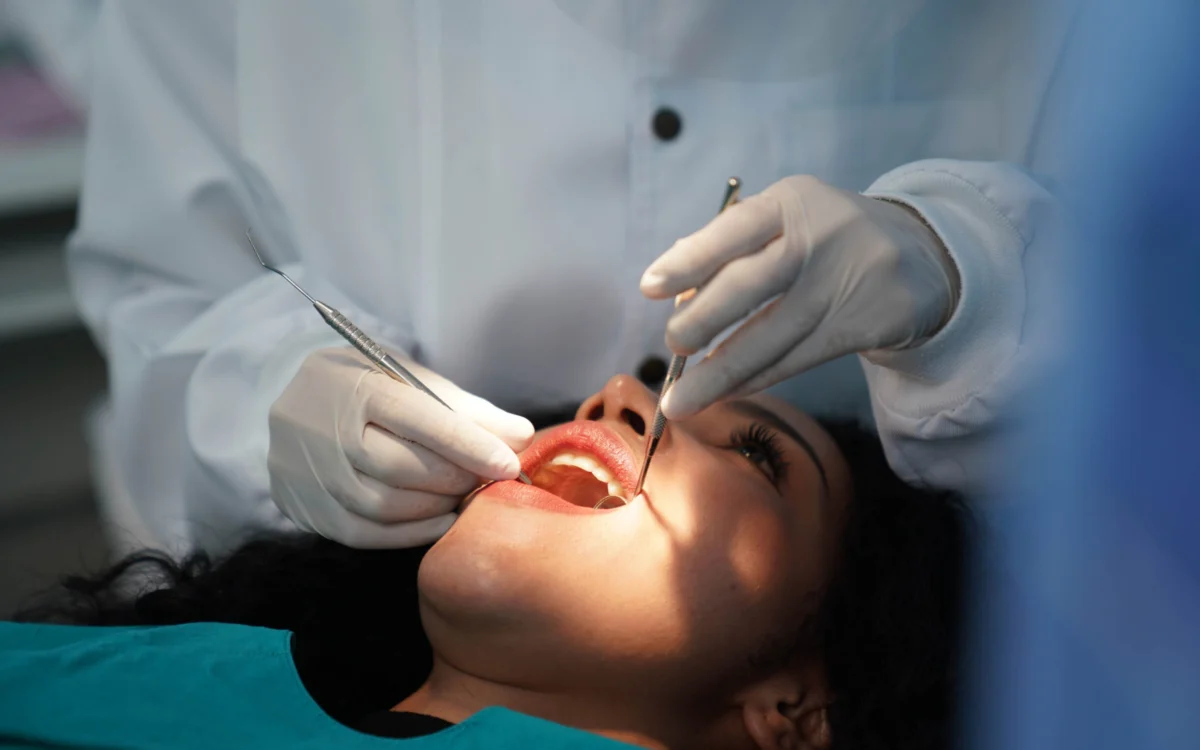
Dental Procedures: Routine dental care is generally possible for individuals with cochlear implants. However, certain dental equipment and procedures may require specific precautions. It is essential to inform the dentist about the cochlear implant before any treatment begins. Depending on the procedure and the equipment used, particularly tools that generate strong energy or vibrations, the dental professional may need to follow specific safety protocols. For a comprehensive understanding of medical procedures compatible with cochlear implants, consulting MED-EL’s medical procedures guide is recommended.

Personal Expression: Tattoos and Cosmetic Procedures
Tattoos: Getting a tattoo is permissible for cochlear implant users, provided the tattoo is not applied in close proximity to the implant site. Laser tattoo removal also requires caution and should not be performed near the implanted area, as the laser can generate heat and transfer energy. In both instances, informing the tattoo artist or technician about the cochlear implant beforehand is essential. For any uncertainties, the local MED-EL team can provide guidance. Further information on cosmetic procedures compatible with CIs can be found in relevant guides.
Everyday Living: Cooking with Modern Appliances
Cochlear implant users can confidently use modern appliances, including induction cooktops. A simple precaution is to maintain a distance of approximately 5-10 cm (2-4 inches) between the audio processor and the cooktop when it is switched on. During normal cooking, pots and pans usually help in maintaining this distance. If closer proximity is required, such as during cleaning, it is advisable to switch off the cooking zone first. Always refer to the user manual for specific recommendations related to your audio processor and equipment.
Situations Requiring Extra Vigilance
While the majority of daily activities are generally safe and manageable, certain environments and situations warrant heightened awareness and specific precautions.
Playground Slides and Static Electricity
A less anticipated concern for new CI families can be static electricity generated by plastic playground equipment. Static discharge can temporarily cause the audio processor to cease functioning or reset. While usually not dangerous, this can be an uncomfortable experience that momentarily interrupts hearing. Simple measures to mitigate this risk include ensuring the audio processor is securely attached, as well as grounding oneself by touching a metal object before interacting with plastic surfaces. Consulting the user guide for additional recommendations is always advisable.
Saunas and Steam Rooms
While the internal cochlear implant remains unaffected by heat, the external audio processor requires protection. High temperatures and humidity can potentially damage external components. Therefore, it is recommended to remove the audio processor before entering saunas with temperatures exceeding 50 degrees Celsius (122 degrees Fahrenheit).
Strong Magnets and Electromagnetic Fields
While everyday magnets and electronic devices pose no significant risk, exceptionally strong magnetic or electromagnetic fields require caution. Industrial equipment, high-voltage apparatus, and certain specialized medical environments may present such fields. Individuals who encounter these environments in their work or hobbies should consult their specific cochlear implant system instructions and contact their local MED-EL team for expert advice.
Cultivating Confidence and Embracing Life
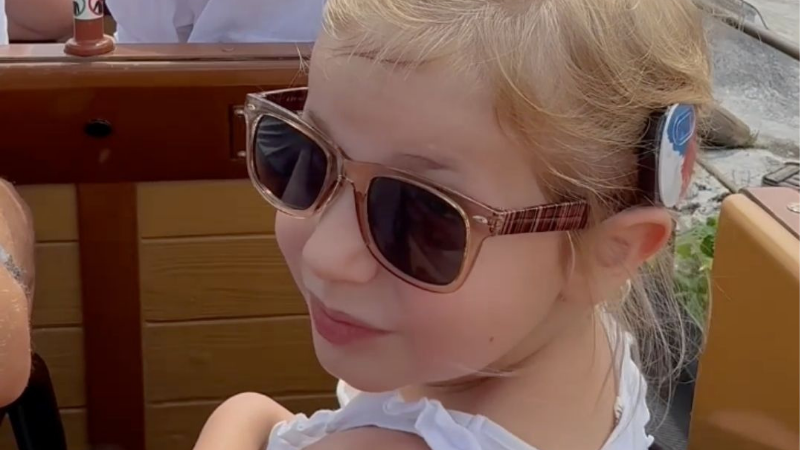
Perhaps the most profound realization for individuals with cochlear implants is the degree to which their everyday lives can remain remarkably normal. The ability to travel, work, engage in physical activity, cook, care for children, attend concerts, explore new cultures, and pursue cherished hobbies is well within reach. Understanding the few situations that necessitate extra care empowers individuals to approach their activities with confidence, rather than feeling restricted.
In instances of uncertainty regarding the safety of an activity, consulting with a hearing care professional or the MED-EL team provides invaluable guidance tailored to the specific implant and audio processor. With access to accurate information, individuals can shift their focus from perceived limitations to the joy and richness of life’s experiences.
MED-EL Medical Electronics, as a leading provider in hearing implant solutions, is committed to supporting individuals throughout their journey. Their extensive resources and dedicated teams are available to answer questions and provide personalized advice, ensuring that cochlear implant technology serves as a tool for empowerment and enhanced living.