The Significance of Government Access: Addressing a Critical Need
The inclusion of Signia’s Pure Charge&Go MaX and Active Mini IX in the federal supply schedule represents a crucial advancement for a population segment disproportionately affected by hearing loss. Hearing impairment is one of the most common service-connected disabilities among veterans, with noise exposure during military service being a primary contributing factor. According to the U.S. Department of Veterans Affairs, tinnitus and hearing loss consistently rank among the top service-connected disabilities, impacting hundreds of thousands of veterans. The VA alone serves over 9 million veterans, while the DoD provides healthcare for millions of active-duty service members and their families. The IHS, meanwhile, delivers comprehensive health services to approximately 2.6 million American Indians and Alaska Natives.
These government healthcare systems are vital arteries for delivering essential medical care, including advanced hearing solutions, to those who have served or are part of specific communities. For many, these programs are the primary, if not sole, means of accessing high-quality hearing aids. The integration of advanced technologies like Signia’s AI-powered devices into these systems is not merely an upgrade; it is a fundamental enhancement to the quality of life, communication capabilities, and overall well-being of these beneficiaries. Untreated hearing loss can lead to social isolation, cognitive decline, and increased risk of depression, making access to effective solutions a critical public health imperative.
Unveiling the MaX Platform: A New Era of Acoustic Intelligence
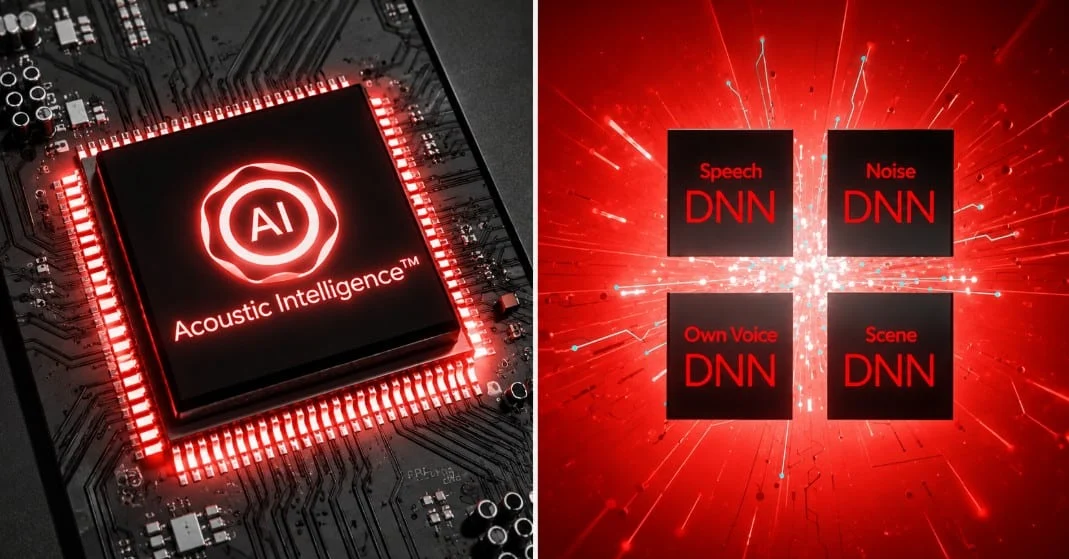
The core of this significant rollout is the Pure Charge&Go MaX hearing aid, built upon Signia’s revolutionary Multi-adaptive Xperience (MaX) platform. Introduced in August, the MaX platform distinguishes itself through its innovative use of Acoustic Intelligence, a sophisticated processing system that orchestrates four specialized deep neural networks (DNNs). Unlike traditional hearing aids that might employ AI for isolated functions like noise reduction, MaX’s architecture allows these DNNs to work in concert, sharing information and dynamically adjusting to the wearer’s surrounding acoustic environment in real-time.

These four DNNs are specifically trained to simultaneously analyze:
- Speech: Identifying and isolating human speech from a cacophony of sounds.
- Background Noise: Characterizing and mitigating various types of environmental noise.
- Environmental Conditions: Understanding the overall acoustic landscape, such as a quiet office versus a bustling restaurant.
- Wearer’s Own Voice: Recognizing and optimizing the wearer’s own voice for a more natural sound experience.
This integrated approach represents a significant evolution from Signia’s previous Integrated Xperience (IX) platform, which introduced RealTime Conversation Enhancement. While IX was groundbreaking in tracking multiple conversation partners, MaX elevates this capability by replacing earlier machine-learning approaches to speech detection with a dedicated DNN. This specialization ensures more precise identification and isolation of speech, even in highly complex, multi-speaker environments. The distinction in the four-DNN architecture and its real-world listening performance was thoroughly explored during its initial introduction, highlighting how the networks coordinate processing decisions rather than functioning as independent features, leading to a more holistic and adaptive hearing experience.
One particularly notable clinical advancement within the MaX platform is the elimination of the separate own-voice training procedure that was required with earlier Signia devices. The dedicated DNN for own-voice recognition automatically identifies and processes the wearer’s voice, simplifying fitting appointments and making the feature far more practical, especially in remote-first fitting situations where in-person calibration might be challenging. Furthermore, the system is designed to respond intelligently to a person’s activity within the same environment. For instance, the hearing aids can apply different processing strategies when an individual is merely sitting alone in a noisy restaurant versus actively participating in a conversation, even if the ambient noise levels remain constant. This contextual awareness allows for a truly personalized listening experience that adapts not just to the soundscape, but to the wearer’s engagement within it.
Enhancing Communication in Complex Environments
The primary focus of the MaX platform is to dramatically improve speech understanding and participation in the most challenging listening environments, particularly group conversations involving multiple speakers. This is a persistent hurdle for many hearing aid users, even with advancements in directional microphone technology and noise reduction. The coordinated action of the four DNNs aims to untangle the complexities of overlapping speech and ambient noise, allowing users to better follow individual speakers and contribute more confidently to discussions.
Mike Irby, AuD, Vice President of Sales, Government Services, WSA, underscored the significance of this capability for federal beneficiaries: "Government audiologists regularly work with veterans and active duty personnel who can hear well in a one-on-one conversation but still struggle to follow what’s happening around a crowded dinner table. With Signia MaX, we’re bringing the world’s first four-DNN AI hearing aid platform to Government Services, giving audiologists a powerful new way to address one of the most persistent challenges in hearing care. This means more opportunities to follow the conversation, join in, and fully enjoy the moments they love." This statement highlights the profound impact that improved conversational clarity can have on social engagement and mental well-being for this demographic.
Signia cites compelling research findings to support the efficacy of its MaX platform. According to two company white papers, 97% of participants performed better with MaX during noisy group conversations compared with selected competing hearing aids. Additionally, MaX reportedly achieved the highest signal-to-noise ratio performance among the products evaluated in its group-conversation testing. While individual outcomes may vary based on specific hearing characteristics, fitting, and listening environments, these findings suggest a significant leap in performance for users in challenging acoustic scenarios.

Power, Performance, and Seamless Connectivity
Beyond its advanced AI, the Pure Charge&Go MaX boasts impressive technical specifications designed to support continuous, real-time acoustic analysis without compromising practical battery performance. Signia reports that its new MaX chip provides 54 times the processing power of the previous IX generation, coupled with twice the memory capacity and a 50% greater energy efficiency. These enhancements are critical for running four complex neural networks continuously throughout the day.
Despite its powerful processing, the rechargeable receiver-in-canal hearing aid offers approximately 30 hours of use on a single charge. It is available in eight colors and comes with a portable charging case capable of storing enough power for four full charges. A complete charging cycle takes about four hours, while a quick 30-minute charge can provide up to six hours of use, ensuring users have reliable power throughout their day.
Connectivity is another hallmark of the MaX platform, integrating Signia’s OneConnect Technology. This comprehensive suite combines Bluetooth Classic, Bluetooth LE Audio, telecoil functionality, and Auracast broadcast audio capabilities within a single device. The inclusion of both Bluetooth Classic and LE Audio is strategically important, accommodating a broad range of compatible smartphones and other consumer electronics, including legacy devices and those utilizing the latest, more power-efficient standard. Telecoil functionality ensures continued access to established hearing loop and assistive listening systems prevalent in public venues, ensuring universal accessibility. While full Auracast functionality is not yet enabled, Signia has committed to its availability through a firmware update, delivered via the Signia One app, by March 2027. This forward-looking integration positions the MaX platform at the forefront of connectivity, preparing users for the evolving landscape of public and personal audio streaming. For government audiologists, this multifaceted connectivity removes the need for multiple hearing aid models to support different wireless standards, streamlining the fitting process and enhancing patient satisfaction.
Expanding Options: The Active Mini IX Introduction
Complementing the launch of the MaX platform, Signia also announced the availability of its Active Mini IX through the VA, DoD, and IHS. This rechargeable in-the-ear (ITE) hearing aid incorporates the company’s Integrated Xperience platform within a compact, ready-to-wear design. Unlike custom-molded ITE devices, the Active Mini IX can be fitted immediately without the waiting period associated with manufacturing a custom shell, offering convenience and rapid deployment for patients.
Signia describes the Active Mini IX as the world’s smallest ready-to-wear in-the-ear hearing aid with connectivity. Its addition to the government services portfolio provides federal audiologists with another crucial option for patients who prefer an in-the-ear form factor over a conventional receiver-in-canal (RIC) hearing aid. This caters to diverse patient preferences and lifestyles, ensuring that a broader range of individuals can find a comfortable and effective solution.

A Chronology of Innovation and Accessibility
Signia, a part of WSA, has consistently pushed the boundaries of hearing aid technology since its launch in 2016, pioneering advancements such as rechargeable hearing technology. The introduction of the Integrated Xperience (IX) platform, with its RealTime Conversation Enhancement, marked a significant step in addressing complex listening situations. The subsequent unveiling of the Multi-adaptive Xperience (MaX) platform in August, building upon and surpassing the IX’s capabilities with its four-DNN AI architecture, was a natural progression in this innovative trajectory.
The integration of these advanced devices into federal healthcare programs follows a historical commitment by the VA, DoD, and IHS to provide state-of-the-art medical equipment to their beneficiaries. Over the years, these agencies have continually updated their formularies to include the latest advancements in hearing aid technology, recognizing the critical role these devices play in maintaining veterans’ and service members’ operational readiness, social engagement, and overall quality of life. This latest announcement from Signia is a significant milestone in this ongoing chronology of enhancing accessibility to top-tier hearing solutions within the federal system.
Implications for Federal Healthcare and Patient Outcomes
The expanded availability of Signia’s MaX and Active Mini IX hearing aids carries profound implications across several dimensions:
- For Veterans and Service Members: The most direct impact will be on the daily lives of countless individuals. Improved speech understanding in noisy and complex environments translates directly to enhanced social participation, reduced communication fatigue, and greater confidence in various settings. This can mitigate feelings of isolation, foster stronger social connections, and potentially improve cognitive health outcomes associated with active listening and engagement. For active-duty personnel, better hearing can also contribute to improved situational awareness and overall effectiveness.
- For Audiologists in Federal Services: These professionals will now have a more powerful and versatile toolkit at their disposal. The MaX platform’s automatic own-voice recognition feature simplifies fitting procedures, potentially reducing chair time and making remote adjustments more efficient. The broad connectivity options also mean fewer compatibility issues, allowing audiologists to meet the diverse technological needs of their patients more easily. The availability of both RIC (MaX) and ITE (Active Mini IX) options ensures that individual preferences for form factor can be accommodated.
- For the Hearing Aid Industry: Signia’s move sets a new benchmark for AI integration in hearing aids, particularly in how multiple DNNs can be coordinated for superior performance in real-world scenarios. Its adoption by major government procurement bodies further validates the technology and could influence future R&D directions across the industry, fostering a competitive environment focused on advanced, adaptive solutions.
- For Government Healthcare Policy: This rollout underscores the federal government’s commitment to providing high-quality, technologically advanced healthcare to its beneficiaries. It reinforces the understanding that investing in cutting-edge solutions for conditions like hearing loss is not just about treatment, but about improving long-term health outcomes, quality of life, and potentially reducing downstream healthcare costs associated with untreated hearing impairment.
Looking Ahead: The Future of Hearing Health in Government Services
The integration of Signia’s MaX platform, with its pioneering four-DNN AI, marks a significant step towards a future where hearing aids are not merely amplification devices but sophisticated cognitive assistants. The continuous evolution of AI, coupled with advancements in connectivity standards like Auracast, promises even more personalized and adaptive listening experiences. For federal healthcare programs, this trajectory suggests an increasing emphasis on solutions that not only correct hearing loss but also actively enhance the wearer’s cognitive function and social engagement.

The rise of telehealth and remote fitting capabilities, further enabled by advanced connectivity in devices like MaX, will also play an increasingly crucial role in delivering care to geographically dispersed veteran populations and those in remote IHS communities. Signia, through its commitment to "enhance human performance through iconic innovations and consumer-friendly designs," and its mission for wearers to "Be Brilliant," is poised to continue leading these advancements. The availability of these state-of-the-art hearing aids through the VA, DoD, and IHS is a testament to the ongoing commitment to providing the best possible care for those who have served and for communities in need.
This expanded access represents a profound investment in the health and well-being of millions, ensuring that they can fully participate in conversations, reconnect with loved ones, and engage with the world around them without the debilitating barriers of untreated hearing loss.
Additional information about the company’s government hearing care offerings is available through Signia Government Services.