The Genesis of a Mission: From Basement to Beacon
The story of Listen and Talk began nearly three decades ago, rooted in the residential home of Star Leonard-Fleckman. As a specialized teacher of the deaf and an auditory-verbal therapist, Leonard-Fleckman identified a critical gap in regional resources: the need for an environment that prioritized listening and spoken language as the primary means of communication for children with hearing loss.
What started as a localized, grassroots effort in a private basement has since evolved into a multifaceted educational institution. Over the past 29 years, the organization has scaled its operations to support over 200 families annually across Washington state, utilizing both in-person clinical environments and virtual delivery models to overcome geographic barriers. This evolution reflects a broader shift in the field of audiology and special education, moving from a reliance on visual-only communication to an integrated model that leverages modern hearing technology—such as cochlear implants and high-fidelity hearing aids—paired with intensive, family-centered auditory-verbal therapy.
The Inaugural Walk, Run, and Roll: Financial Momentum
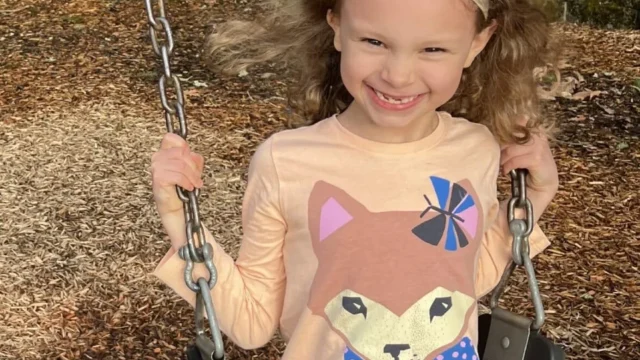
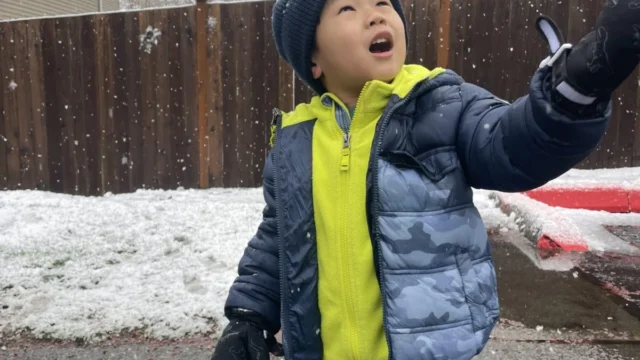
The inaugural Walk, Run, and Roll fundraiser was designed to be a decentralized community event, encouraging participation across various locales including Edmonds, Woodinville, the Olympic Peninsula, and the Green Lake area. By removing the requirement for a single-site gathering, the organization successfully engaged a wide demographic, ranging from children as young as one year old to participants reaching their centennial year.
The fiscal success of the campaign exceeded initial organizational projections. The event raised over $10,000 through grassroots participation, a figure that was immediately bolstered by a matching grant from Leonard-Fleckman. With additional contributions following the event, the total raised has surpassed $26,000. These funds are earmarked for the operational sustainability of the organization’s core services, which include its Birth to Three program, specialized audiology services, and the Blended Classroom Program.

Financial analysts in the non-profit sector note that such fundraisers are critical for specialized educational centers. Because auditory-verbal therapy requires a low student-to-teacher ratio and highly specialized equipment, the cost of service delivery is significantly higher than that of traditional public education. The success of this inaugural event signals a robust level of community support that is vital for maintaining the high-quality, individualized care that defines the Listen and Talk model.
Pedagogical Philosophy: Beyond Communication
At the heart of the Listen and Talk methodology is the belief that children with hearing loss should be empowered to communicate without the necessity of an interpreter. The pedagogical focus is not merely on the mechanics of speech, but on the development of critical thinking and self-advocacy.
The organization’s current programming includes:
- Birth to Three Program: Early intervention is the cornerstone of auditory-verbal success. By initiating therapy during the critical window of brain development, clinicians help children bridge the gap between their hearing age and their chronological age.
- Blended Classroom Program: This model integrates students with hearing loss into a collaborative learning environment, preparing them for mainstream educational settings.
- Outreach Services: Leveraging technology to ensure that rural or underserved families in Washington state receive the same caliber of therapy as those living near the Kirkland campus.
The efficacy of these services is supported by data in the field of Listening and Spoken Language (LSL) education. Studies consistently show that children who receive early, consistent auditory-verbal intervention perform at grade level in reading and language arts, often indistinguishable from their hearing peers. By training parents to be the primary language facilitators, Listen and Talk ensures that the therapeutic process continues long after the child leaves the therapy room.
Official Perspectives and Community Engagement
Executive Director Maura Berndsen emphasized the importance of the event as a celebration of the "language of the heart and home." With a diverse client base—families speaking over 30 different languages—the organization’s mission is to ensure that every child can communicate their thoughts and needs in their native tongue.
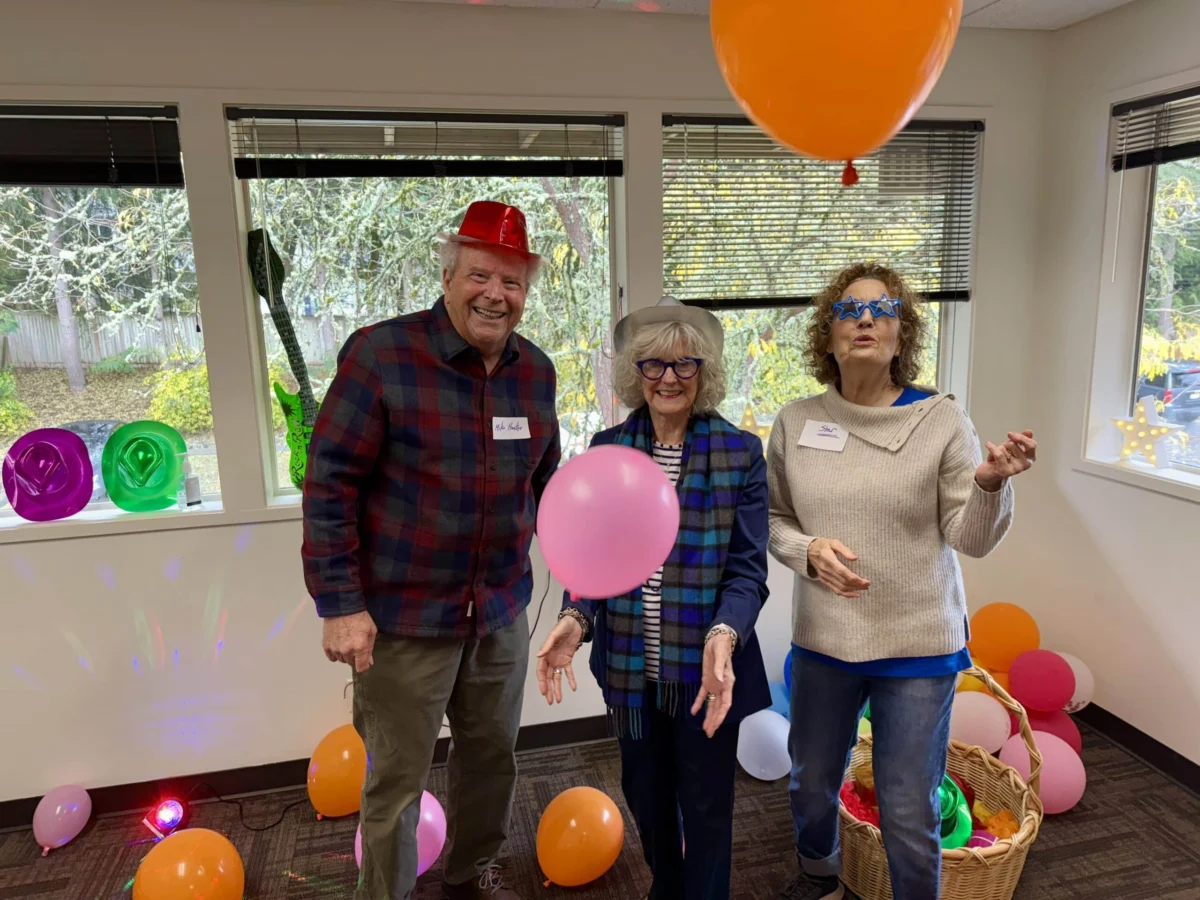
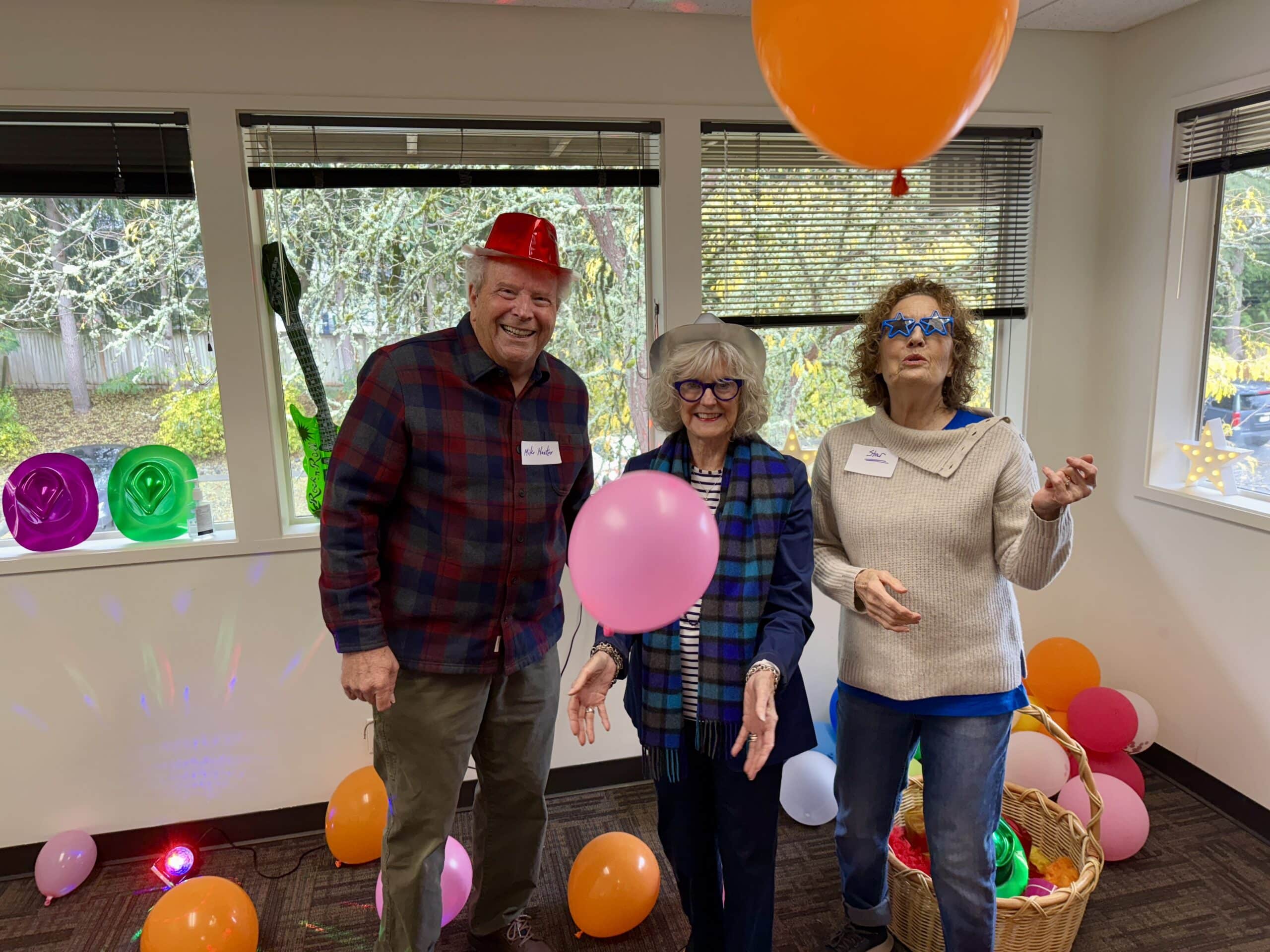
During the event, a "Story Time with Star" session provided a poignant demonstration of the program’s long-term success. As Leonard-Fleckman read to a group of children, including the offspring of former students, the atmosphere underscored the continuity of the organization’s mission. For the alumni present, the event was a testament to the fact that early intervention provides a permanent foundation for a lifetime of social and academic success.
"We are not just teaching children to speak," noted one staff member during the anniversary reception. "We are providing them with the self-advocacy skills they need to navigate a world that is not always designed for them. When a child leaves us, our goal is that they are independent thinkers who can articulate their needs in any setting."
Future Implications and Strategic Outlook
As Listen and Talk looks toward its third decade, the strategic focus remains on stability and expansion. The current economic climate for non-profits necessitates a diverse funding stream, and the success of the Walk, Run, and Roll has provided a blueprint for future annual campaigns.
The implications of the organization’s work extend beyond the immediate classroom. By enabling deaf and hard-of-hearing children to integrate fully into mainstream society, Listen and Talk reduces the long-term societal costs associated with unemployment and specialized social support for the hearing impaired. The organization’s model serves as an exemplar for what can be achieved when clinical precision is combined with deep, community-driven advocacy.

The organization’s commitment to providing services in over 30 languages further highlights its role in the cultural fabric of Washington state. In an era where educational equity is a central public policy concern, Listen and Talk’s ability to serve a multilingual population is a critical component of its mission. By bridging the linguistic gap, they ensure that the benefits of auditory-verbal therapy are accessible to families from all socioeconomic and cultural backgrounds.
Concluding Thoughts on the 29-Year Milestone
The Founder’s Day celebration was more than a commemorative event; it was an affirmation of a 29-year-old vision. As the organization transitions into its 30th year, it faces a landscape of evolving technological advancements and increasing demands for specialized education. However, the foundational goal remains unchanged: to ensure that no child is limited by hearing loss.
Through the ongoing support of donors, the dedication of the clinical staff, and the resilience of the families they serve, Listen and Talk continues to set the standard for auditory-verbal education. The funds raised during this inaugural event will ensure that the next generation of students will have access to the same life-changing resources that have empowered hundreds of children to listen, talk, and thrive over the past three decades. Those interested in supporting these efforts are encouraged to review the organization’s current programs and consider contributions to their ongoing capital and operational needs, ensuring that the legacy initiated in a basement 29 years ago continues to expand its reach well into the future.