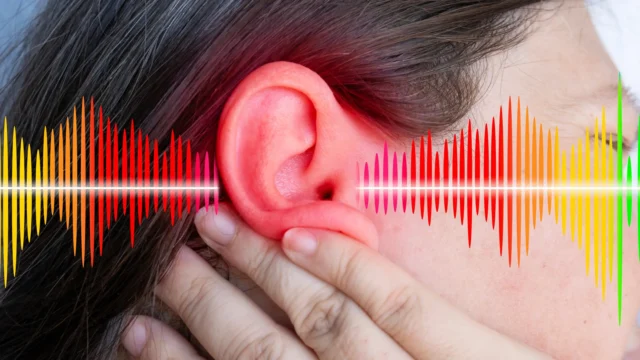
Hearing loss is a pervasive public health issue, affecting an estimated 40 million adults in the United States alone. Despite its prevalence, it remains one of the most undertreated chronic conditions. According to the study’s lead researcher, Janet Choi, MD, MPH, an otolaryngologist with Keck Medicine, the inability to hear effectively creates a ripple effect that extends far beyond the ears. When individuals struggle to follow conversations, particularly in group settings or noisy environments, they often experience a sense of frustration and embarrassment. This frequently leads to a "withdrawal reflex," where individuals choose to avoid social gatherings, family dinners, and professional interactions to escape the exhaustion of straining to hear.
Methodology and Scope of the Meta-Analysis
To reach these conclusions, Dr. Choi and her team conducted a rigorous systematic review and meta-analysis of 65 previously published studies. This large-scale evaluation encompassed data from over 5,000 participants, providing a robust statistical foundation for their findings. The researchers focused on three primary metrics: social quality of life, perceived social handicap, and loneliness.
The "social handicap" metric is particularly significant in otolaryngology. It refers to the subjective limitations and emotional frustrations that hearing loss imposes on an individual’s daily life. This includes the feeling of being an outsider in a conversation or the anxiety associated with being unable to respond correctly to a question. By analyzing how hearing devices influenced these specific metrics, the USC researchers were able to quantify the degree to which technology can reintegrate a person into their social environment.
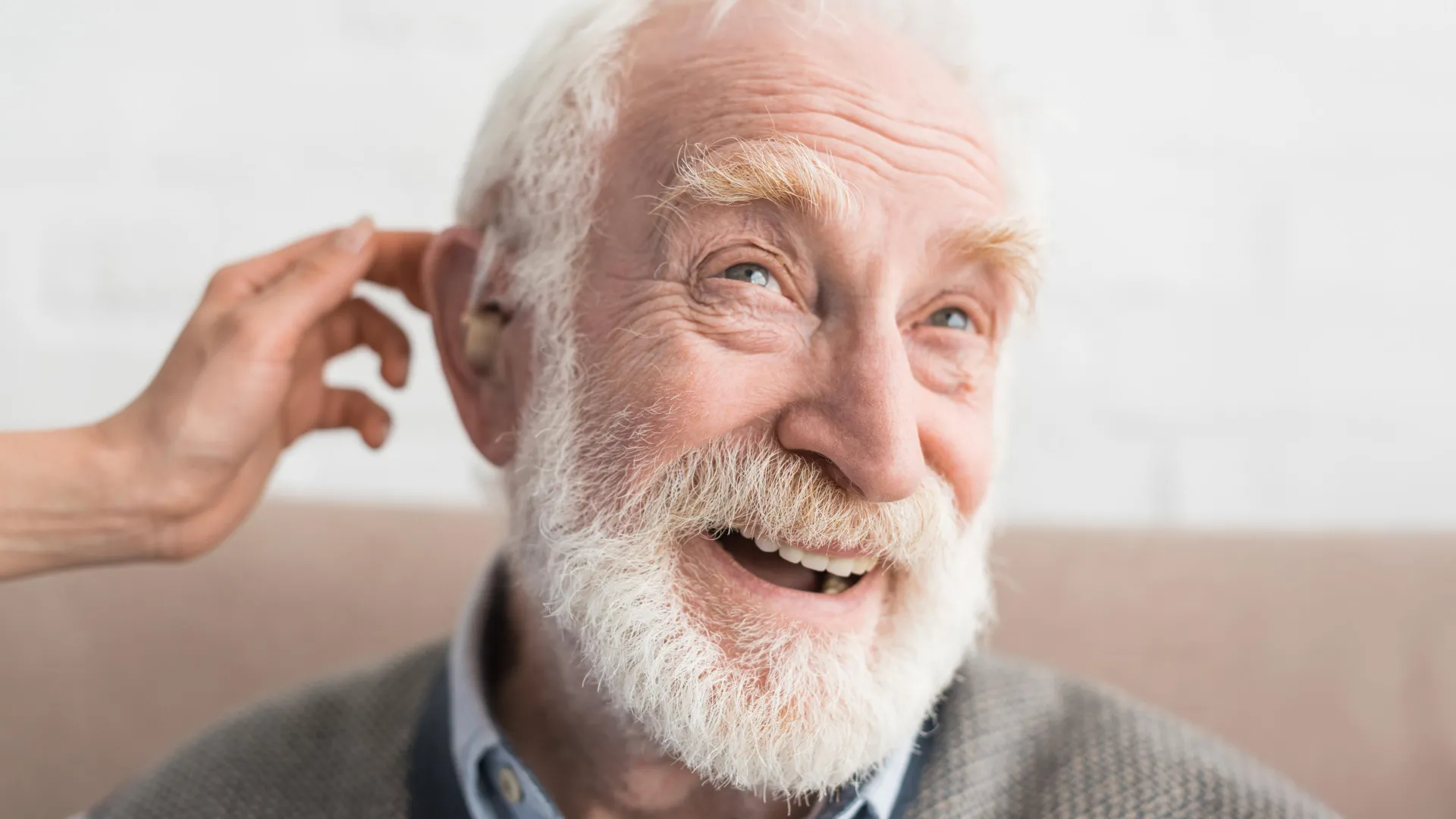
The study found that users of both hearing aids and cochlear implants reported feeling more socially connected and significantly less limited in their daily interactions. The data revealed that these individuals were better equipped to navigate "challenging listening environments," such as restaurants or crowded rooms, which are often the first places people with hearing loss begin to avoid.
The Distinction Between Hearing Aids and Cochlear Implants
While both types of devices showed positive outcomes, the study noted that individuals with cochlear implants reported the most substantial improvements in their social quality of life. This finding is rooted in the technological differences between the two devices and the severity of hearing loss they address.
Hearing aids are non-invasive devices that primarily amplify sound and clarify speech for individuals with mild to moderate hearing loss. In contrast, cochlear implants are surgically implanted devices designed for those with severe to profound hearing loss who receive little to no benefit from traditional hearing aids. Unlike a hearing aid, which makes sounds louder, a cochlear implant bypasses damaged portions of the ear to directly stimulate the auditory nerve.
The research suggests that because cochlear implants provide a more dramatic restoration of sound for those in near-total silence, the subsequent "social awakening" is more pronounced. For a person who has spent years in profound isolation due to an inability to hear any speech, the restoration provided by an implant can be life-altering, leading to a more significant measurable jump in social engagement metrics.
The Biological and Neurological Consequences of Isolation
The USC study arrives at a time when the medical community is increasingly concerned about the "cascade effect" of untreated hearing loss. Previous research, often cited by organizations like the National Institute on Aging, has linked chronic social withdrawal to severe biological and neurological changes.
When an individual becomes socially isolated due to hearing loss, the brain receives less auditory and cognitive stimulation. This lack of "brain exercise" has been linked to increased brain inflammation and structural alterations in the brain, including accelerated atrophy in the primary auditory cortex. Furthermore, chronic loneliness is a known trigger for the release of stress hormones like cortisol, which, over time, can damage cardiovascular health and weaken the immune system.
Dr. Choi noted that while this specific study did not directly measure cognitive decline, the improvements in communication and social engagement strongly suggest a protective effect. By keeping the brain actively involved in the complex task of processing speech and maintaining social bonds, hearing devices may serve as a critical tool in preserving cognitive health and delaying the onset of dementia.
A Timeline of Hearing Health Research at USC
This latest publication is part of a broader, ongoing research initiative at Keck Medicine of USC aimed at uncovering the systemic impacts of hearing health. The current study builds upon a significant finding released in January 2024 by Dr. Choi and her colleagues.
In that earlier study, researchers analyzed data from the National Health and Nutrition Examination Survey and found that adults with hearing loss who used hearing aids had a nearly 25% lower risk of mortality compared to those who did not. That research suggested that the benefits of hearing restoration extend to physical longevity, likely due to a combination of improved mental health, reduced risk of accidental injury (such as falls), and better management of co-morbidities through improved communication with healthcare providers.
The progression of research from 2024 to the present highlights a clear chronology:
- January 2024: Establishment of a link between hearing aid use and increased lifespan.
- Present Study: Identification of the social and psychological mechanisms (reduced isolation and handicap) that likely contribute to that improved lifespan and overall well-being.
Supporting Data: The National Hearing Crisis
The context for this study is framed by a growing national health crisis. According to the National Institute on Deafness and Other Communication Disorders (NIDCD), approximately 15% of American adults (37.5 million) report some trouble hearing. Among those aged 70 and older who could benefit from hearing aids, fewer than 30% have ever used them. For those aged 20 to 69, the usage rate drops to approximately 16%.
The reasons for this "treatment gap" are multifaceted, involving the high cost of devices, the historical lack of insurance coverage, and a persistent social stigma associated with wearing hearing aids. However, the regulatory landscape began to shift in October 2022, when the FDA established a new category of over-the-counter (OTC) hearing aids. This move was intended to lower costs and increase accessibility for adults with mild to moderate hearing loss.
The USC study provides essential clinical ammunition for public health advocates who argue that hearing devices should be viewed not as optional accessories, but as essential medical interventions. By demonstrating that these devices can reduce the "social handicap," the research challenges the stigma that hearing aids are a sign of frailty, repositioning them instead as tools for active, engaged living.
Professional Reactions and Implications for Clinical Practice
While the study was conducted by Keck Medicine, the implications have resonated throughout the audiology and otolaryngology communities. Clinical experts suggest that these findings should change the way doctors discuss hearing loss with their patients. Rather than focusing solely on decibel levels and frequency charts, clinicians are encouraged to ask patients about their social lives: Are they avoiding dinners? Do they feel lonely? Do they feel "handicapped" in conversations?
"Understanding the link between hearing loss, hearing device use, and social isolation is crucial," Dr. Choi emphasized. She noted that until this comprehensive meta-analysis, it was unclear to what degree hearing devices could actually reverse established patterns of isolation. The confirmation that these devices work to "re-connect" individuals provides a powerful incentive for patients who may be hesitant to seek treatment.
Industry analysts also point out that the study may influence future insurance policy. If hearing devices are proven to reduce isolation—a known precursor to expensive-to-treat conditions like depression and dementia—insurers may find a more compelling economic argument for covering the costs of hearing aids and cochlear implants.
Broader Impact and Future Research Directions
The USC study serves as a definitive call to action for both the public and the medical establishment. It underscores the reality that hearing health is inextricably linked to overall systemic health. The researchers have signaled that future studies may focus more specifically on the "loneliness" metric, as their current findings suggested a reduction in loneliness but indicated that more targeted research is needed to understand the nuances of that emotional shift.
Furthermore, there is a growing interest in how hearing restoration affects the "social brain." Neuroscientists are looking at whether the reversal of social isolation through hearing aids can actually lead to the regeneration of neural pathways or a slowing of brain volume loss.
As the global population ages, the prevalence of hearing loss is expected to rise. The findings from Keck Medicine of USC suggest that the proactive management of hearing health could be one of the most effective ways to ensure that an aging population remains mentally sharp, socially active, and emotionally resilient. By restoring the ability to hear, these devices do more than just amplify sound; they restore the ability to belong.