The Industrial Crucible: A Legacy of Risk
During the late 19th and early 20th centuries, the United States underwent a seismic shift from an agrarian economy to an industrial powerhouse. The Gilded Age brought rapid urbanization, the expansion of the transcontinental railroad, and the proliferation of massive steel mills and textile factories. While this era established the United States as a global economic leader, the human cost was staggering.
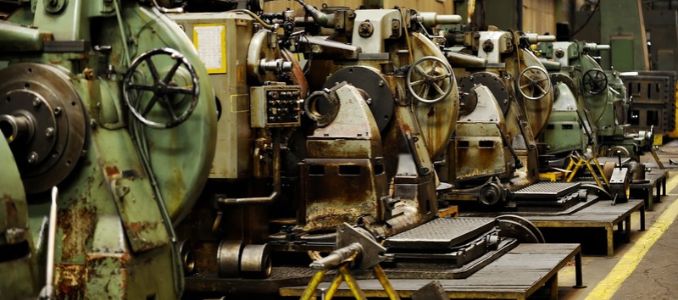
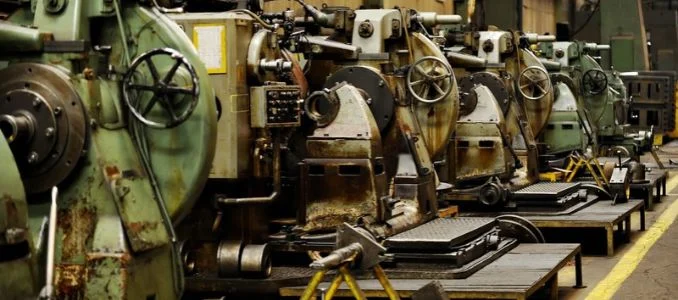
The lack of oversight meant that the physical environment of the factory floor was inherently hostile. Machinery was largely unguarded, with exposed gears, belts, and pulleys frequently snagging loose clothing or limbs. Ventilation was rarely prioritized, leading to chronic respiratory issues caused by coal dust, chemical vapors, and textile fibers. In the absence of federal labor standards, the workforce was treated as an expendable commodity.
Statistical data from the early 20th century highlights the grim reality of this growth. In 1913 alone, the Bureau of Labor Statistics recorded approximately 23,000 industrial deaths within a workforce of 38 million. To put this in perspective, this resulted in an incident rate of roughly 61 deaths per 100,000 workers—a figure that, if applied to the modern U.S. workforce, would translate to tens of thousands of additional fatalities every year.
The Silent Workforce: Child Labor and Vulnerability
Perhaps the most egregious aspect of early industrialization was the systematic exploitation of children. According to the 1900 U.S. Census, roughly 1.75 million children between the ages of 10 and 15 were employed in the workforce, representing nearly 18% of that demographic. These children were often assigned to the most dangerous environments, such as coal mines, where they functioned as "breaker boys" separating slate from coal, or in textile mills where their small stature allowed them to crawl under active machinery to clear jams.

The long-term physiological and psychological impact on these workers remained largely undocumented at the time, but the immediate dangers were clear. Without child labor laws, children were subjected to the same 10 to 12-hour shifts as adults, often without the benefit of proper lighting, breaks, or safety training. Their presence in the workplace served as a stark indicator of an era where profit margins were placed consistently above human welfare.
A Chronology of Reform: Key Turning Points
The transition from a lawless industrial environment to the regulated framework of today was not linear. It was a series of reactionary measures following public outcries over workplace disasters.
- 1892 Homestead Strike: While primarily a labor dispute over wages and union recognition, the violence at the Carnegie Steel plant brought the conditions of the American worker to the forefront of national media. It highlighted the systemic lack of representation for employees in high-risk environments.
- 1911 Triangle Shirtwaist Factory Fire: This catastrophe served as the definitive catalyst for building safety and fire prevention codes. When a fire broke out on the eighth floor of a New York City garment factory, 146 workers—mostly young immigrant women—perished. Many died because the exit doors had been locked by management to prevent theft and unauthorized breaks.
- 1912-1913 Founding of the National Safety Council (NSC): Following the widespread realization that industrial deaths were becoming a public relations and economic burden, the NSC was founded to develop systematic approaches to accident prevention, marking the birth of the professional safety discipline.
- 1938 Fair Labor Standards Act: This federal law finally instituted the first national minimum wage, overtime pay, and, crucially, significant restrictions on child labor, effectively ending the era of unregulated youth employment in hazardous industries.
The Triangle Shirtwaist Fire: A Catalyst for Regulation
The Triangle Shirtwaist Factory fire remains the most influential event in the history of American workplace safety. The tragedy was not merely an accident; it was the direct result of a failure to acknowledge basic safety standards. The building lacked adequate fire escapes, the existing ones were structurally unsound, and the locked exits turned the factory into a tomb.

The aftermath saw an immediate shift in public sentiment. The American public, fueled by reports from the New York State Factory Investigating Commission, began to demand that state and federal governments intervene. The resulting legislation—which included mandatory sprinkler systems, fire drills, and improved exit requirements—established the precedent that the state has an inherent duty to protect workers from the negligence of employers.
Data-Driven Implications for Modern Safety
Modern HSE professionals often struggle with "compliance fatigue." However, the data confirms that these requirements are the primary reason for the downward trend in workplace fatalities. According to the Bureau of Labor Statistics, the workplace fatality rate has dropped significantly since the creation of the Occupational Safety and Health Administration (OSHA) in 1970.
When a safety manager enforces a lockout/tagout procedure, they are not simply checking a box; they are preventing the mechanical entrapment scenarios that killed thousands in the early 20th century. When they demand proper ventilation or personal protective equipment, they are mitigating the long-term health risks that were once considered the "accepted price" of labor.

The Role of Leadership in Safety Culture
The historical trajectory of safety teaches that the burden of protection rests on organizational leadership. In the early 1900s, the "bottom line" was protected by suppressing safety costs. Today, the most successful firms have realized that safety is a leading indicator of organizational health and operational efficiency.
Industry experts argue that when safety is treated as a core value rather than a compliance mandate, the entire organization benefits. Reduced incidents lead to lower insurance premiums, higher employee retention, and a stronger reputation in the marketplace. Furthermore, employees who feel protected are more engaged and productive.
Conclusion: Honoring the Past through Future Vigilance
Understanding the history of workplace safety provides the necessary context for why modern professionals must remain vigilant. The standards in place today—the fire codes, the ergonomic requirements, the whistleblower protections, and the mandatory training—were written in the aftermath of deaths that should never have happened.

For the contemporary safety professional, the history of industrialization acts as a cautionary tale. It reminds us that workplace safety is not a stagnant condition, but a continuous process of identification and mitigation. When a worker asks why they must wear a harness or why they must undergo a safety briefing, the answer should not simply be "because the law says so." The answer, rooted in history, is that these protections exist because earlier generations fought, suffered, and died to ensure that the modern workplace would not repeat the mistakes of the past.
By viewing safety protocols as a tribute to those who suffered in the past, professionals can foster a culture of respect and responsibility. The history of American labor is a testament to the fact that progress is only possible when the sanctity of human life is placed at the center of industrial strategy. Today’s safety professionals are the stewards of this progress, tasked with ensuring that the hard-won lessons of the last century remain the foundation for a safer, more humane future in every workplace.