The announcement came during an exclusive pre-launch event in Munich, where industry experts and audiologists gathered for an early look at the MaX devices. Among those present was Andrew Bellavia, founder of AuraFuturity and a recognized thought leader in hearables and hearing health, who provided initial impressions after wearing the pre-release devices in various real-world settings across the city. His observations highlight the platform’s ability to curate the listening experience, emphasizing conversational clarity while adapting seamlessly to complex acoustic environments.
A New Paradigm in AI-Powered Sound Processing
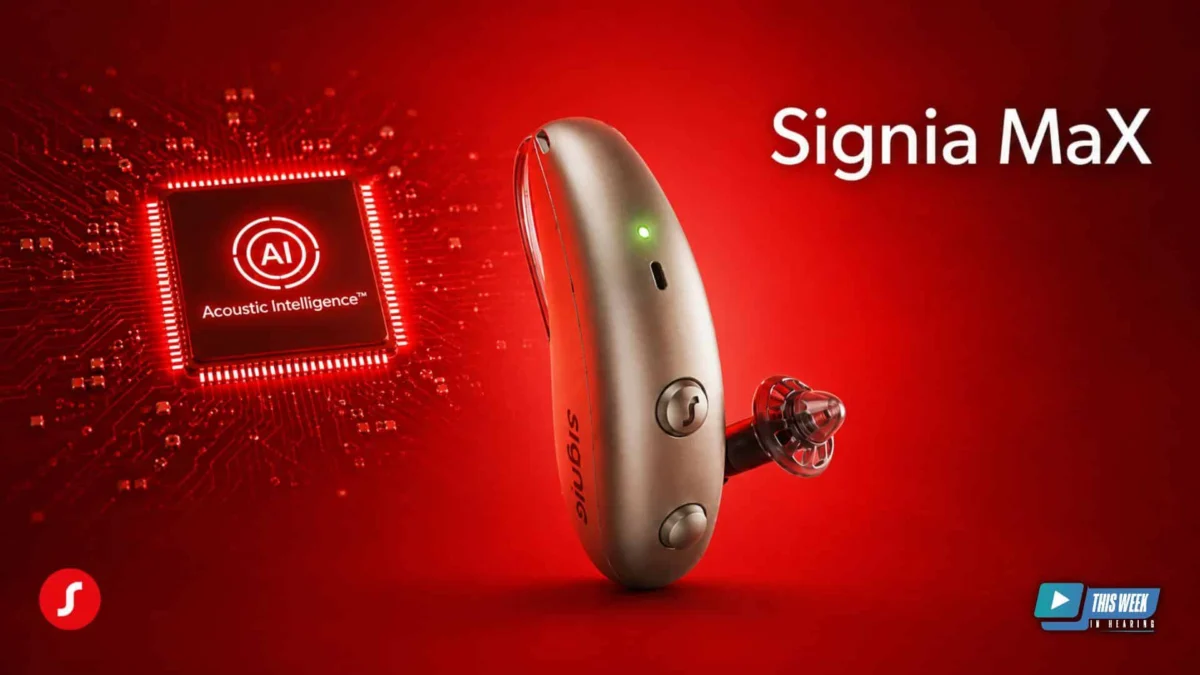
At the core of the Signia MaX platform is its "Acoustic Intelligence" engine, a 4-core brain comprising four dedicated deep neural networks. Unlike previous generations where AI might have been applied to optimize specific features in isolation, these DNNs in MaX are designed to work in continuous fusion, sharing information to construct a holistic and dynamic understanding of the wearer’s acoustic surroundings. This integrated approach allows the hearing aids to respond in real-time with unparalleled precision and fluidity.
The four task-specific DNNs are:
- Speech DNN: Dedicated to analyzing, detecting, and isolating speech signals from various sources, including multiple speakers and diverse languages. This network is crucial for enhancing conversation in challenging environments.
- Own Voice DNN: Specifically trained to identify and process the wearer’s own voice, ensuring it sounds natural and comfortable without interfering with the perception of external sounds.
- Environmental Scene Analysis DNN: This network is responsible for a deep analysis of the listening environment, classifying characteristics of different scenes beyond simple rule-based algorithms.
- Noise DNN: Focuses on analyzing and classifying different types of noise, from babble to traffic, to apply the most appropriate and nuanced noise reduction strategies.
Barinder Samra, MSc, Global Senior Commercial Audiology Manager at Signia, emphasized the overarching goal during an interview at the event: "Ultimately what we wanted to do was have a full system intelligence, which is analyzing multiple dimensions of your surroundings and optimizing the hearing aid sound processing for that particular moment that you find yourself in all day." This philosophy underpins the collaborative nature of the DNNs, enabling the MaX to adapt to the wearer’s specific needs in any given situation, rather than simply applying pre-set modes. The DNNs are embedded deep within the chip, allowing for direct and instantaneous control over sound processing, a critical factor for achieving system intelligence over mere feature enhancement.
Evolution of Key Features: Speech, Noise, and Own Voice
The MaX platform represents a significant evolutionary step from its predecessor, Signia IX, particularly in its handling of complex auditory inputs.
-
RealTime Conversation Enhancement AI: Building on the multi-speaker conversation technology introduced with Signia IX, MaX replaces the previous machine-learning approach to speech detection with a dedicated DNN. This Speech DNN is trained on an extensive database of 40 million acoustic samples, encompassing 11 languages and various voice characteristics. This deep training allows it to analyze, detect, and isolate speech with superior accuracy, enhancing clarity and intelligibility even in dynamic group conversations. Bellavia’s experience in a moderately loud beer hall, where he could "understand everyone without strain," directly supports the efficacy of this enhanced speech processing.
-
Own Voice Processing AI (OVP AI): A notable advancement is the elimination of the in-clinic own-voice training procedure required for earlier Signia devices. The MaX’s Own Voice DNN, trained on thousands of diverse voices and languages, can now instantly identify the wearer’s voice out of the box. This not only streamlines the fitting process for clinicians but also ensures that every wearer benefits from natural perception of their own voice from day one. Samra highlighted the impact of OVP 2.0 in IX, noting "an up to 30% decrease in return rates" when the feature was activated. The baked-in OVP AI in MaX is expected to further enhance user satisfaction and reduce adjustment periods. The previous training process could also be susceptible to environmental variables in the clinic, issues that are now entirely circumvented.
-
Advanced Noise Reduction: While noise reduction has been a staple in hearing aids for decades, MaX elevates it through a dedicated Noise DNN. This network can differentiate between various types of noise, such as babble versus traffic, and apply nuanced reduction strategies. Critically, this DNN works in concert with the Speech and Scene Analysis DNNs. For instance, in a noisy bar, if the wearer is not in conversation, the system might reduce noise moderately to maintain environmental awareness. However, the moment a conversation begins, the system intelligently shifts to prioritize speech enhancement and apply more aggressive noise reduction, demonstrating the dynamic "system intelligence" at play. This context-aware adaptation ensures that the wearer is not unnecessarily isolated but receives optimal sound processing tailored to their immediate communicative intent.
Seamless Adaptation and User Experience
A key aspiration for the MaX platform is to provide a sound experience that is so natural and seamless that the wearer barely notices the technology at work. Samra articulated this goal: "As an end user, if we’ve done our jobs right… you shouldn’t notice anything at all other than it sounds right all day." This contrasts with older hearing aid systems that might exhibit noticeable "mode changes" when transitioning between different acoustic environments, such as stepping from a quiet street into a noisy restaurant. The MaX’s Ambient Scene Adaptation, powered by the Scene Analysis DNN, is designed for a fluid, continuous flow of adaptation rather than abrupt shifts, mimicking the natural flow of life.
Andrew Bellavia’s initial real-world testing in Munich provided compelling evidence of this seamless experience. During a visit to the Marienplatz, he observed how the MaX, in automatic mode, effectively "curated" his experience to emphasize conversation, making the bubbling fish fountain in the plaza "gone." Switching to Omni mode, which reduces DNN processing, immediately brought the fountain noise back, highlighting the deliberate processing in automatic mode. This demonstrated the device’s ability to intelligently prioritize relevant sounds, a critical factor in reducing listening effort and cognitive load for individuals with hearing loss.
Enhanced Connectivity and Durability
Connectivity is no longer an ancillary feature but an essential component of modern hearing aids, integrating seamlessly into daily digital life. The Signia MaX embraces a "One Connect" technology strategy, consolidating a comprehensive suite of connectivity options within a single device:
- Bluetooth Classic: Ensures universal compatibility with virtually all Bluetooth-enabled devices, including older smartphones, laptops, and other media sources.
- LE Audio: Supports the latest Bluetooth Low Energy Audio standard, offering improved sound quality, lower power consumption, and future-proofing for emerging audio technologies. This enables connectivity with modern Android phones and forthcoming LE Audio-enabled devices.
- Telecoil: Maintains support for assistive listening systems in public venues like theaters and auditoriums, an "old faithful" technology that remains ubiquitous and highly valued for its reliability.
- Auracast Ready: Positioned for future compatibility with Auracast, the new Bluetooth broadcast audio standard that will enable shared audio experiences in public spaces and at home.
This comprehensive approach eliminates the need for proprietary connection schemes like ASHA (Audio Streaming for Hearing Aids) and MFI (Made for iPhone), simplifying the user experience and ensuring broad compatibility across the entire spectrum of consumer electronics. As regulatory changes, such as those in the US, move towards standardizing connectivity, Signia’s foresight in adopting universal Bluetooth standards positions MaX as a future-proof solution.
Beyond connectivity, the MaX platform prioritizes durability and reliability. The device boasts an IP68 rating for water and dust resistance, a standard for high-end hearing aids. Furthermore, it incorporates a new plasma-enhanced vapor coating on internal components, providing an additional layer of protection by permeating every crevice of the internal circuitry. This robust construction ensures that the hearing aids can withstand the rigors of daily life, including exposure to moisture and environmental elements, aligning with the "live noisy" ethos.
Despite integrating four powerful DNNs that run continuously, the MaX maintains an impressive battery life of up to 30 hours on a single charge for the rechargeable RIC device. This is attributed to a highly efficient chip design, which, while 52 times more powerful in processing generation on generation, is also 50% more energy efficient. This ensures that the "Acoustic Intelligence" is available all day, without interruption, providing consistent performance and reliability.
Streamlining the Clinical Workflow and Empowering Users
The advancements in the MaX platform extend beyond acoustic performance to significantly impact the clinical workflow and user empowerment.
- Simplified Fitting: The inherent "out-of-the-box" Own Voice Processing AI eliminates the need for in-clinic own-voice training, freeing up valuable time for both the clinician and the patient. This can streamline initial fittings and follow-up appointments, allowing clinicians to focus on more complex audiological needs and personalized fine-tuning.
- Next-Generation Signia Assistant: The MaX introduces an enhanced Signia Assistant, which moves beyond basic controls to offer a conversational AI interface. Users can simply chat with the assistant through the app, asking questions about device functions, troubleshooting, or even requesting fine-tuning adjustments in real-time. For example, if a user is in a noisy restaurant and wishes to hear companions better, the assistant can analyze the environment and suggest optimized settings, performing A/B comparisons for immediate feedback. These user-initiated optimizations are banded within safe parameters and are logged for the clinician to review during subsequent appointments, fostering a collaborative approach to hearing care. This feature aims to offload routine queries from clinicians, allowing them to engage in deeper discussions about the wearer’s "acclimatization journey" and specific audiological challenges. Data from market surveys like MarketTrak and EuroTrak indicate increasing smartphone app adoption among hearing aid users, suggesting growing engagement with such digital assistance tools.
- Subtle Enhancements: Beyond the marquee AI features, MaX also incorporates numerous subtle but impactful improvements. These include Sound Smoothing 2.0, which provides high-resolution transient sound reduction for sudden noises like pen clicks or paper rustling without affecting speech clarity, and eWindscreen 2.0 for improved wind noise management. These granular enhancements contribute to overall listening comfort and a more natural sound experience, reducing the effort required to process daily sounds.
Implications for the Hearing Healthcare Landscape
The launch of Signia MaX with its "Acoustic Intelligence" platform carries significant implications for both users and the broader hearing healthcare industry.
For users, the primary benefit is an enhanced and more natural listening experience. By minimizing listening effort and providing clearer speech in complex environments, MaX aims to improve social engagement, reduce fatigue, and ultimately enhance the overall quality of life for individuals with hearing loss. The seamless adaptation means less manual intervention from the user, fostering greater confidence in the devices’ ability to perform automatically. Andrew Bellavia’s observation that the MaX "sounded more natural and easygoing" compared to his Signia IX, which sounded "more processed," underscores this shift towards a more organic auditory experience. This natural sound quality is a critical factor for user acceptance and long-term adherence to hearing aid use.
For clinicians, MaX offers tools that streamline their practice and potentially lead to better patient outcomes. The automation of OVP AI and the advanced capabilities of the Signia Assistant can reduce appointment times, allow for more personalized consultations, and provide continuous support for wearers between visits. This aligns with the evolving model of hearing care, which increasingly incorporates remote support and user-driven adjustments.
From an industry perspective, MaX sets a new benchmark for AI integration in hearing aids. By demonstrating the power of collaborative DNNs, Signia is pushing the boundaries of what is possible in real-time sound processing. The comprehensive connectivity strategy, particularly the embrace of universal Bluetooth standards and Auracast readiness, positions MaX as a forward-thinking device that anticipates future technological shifts. This move away from proprietary solutions towards open standards is likely to be a trendsetter, influencing other manufacturers to follow suit and benefiting consumers with greater device interoperability. The competitive landscape will undoubtedly respond, potentially accelerating the development of even more sophisticated AI-driven solutions across the industry.
First Impressions: Real-World Performance in Munich
Andrew Bellavia’s hands-on experience in Munich provided valuable early insights into the MaX’s real-world performance. Equipped with both the pre-release MaX devices and his own Signia IX, he conducted informal sound preference tests throughout the day.
His initial surprise came in Marienplatz, a bustling public square. In automatic mode, the MaX delivered excellent speech clarity amidst the plaza noise, effectively "removing" the sound of a bubbling fountain. This "curation" of the soundscape, prioritizing conversation, was a stark demonstration of the DNNs’ collective intelligence. In a subsequent stop at a beer hall with a dozen people, the MaX in automatic mode continued to provide a comfortable listening experience, allowing clear understanding without strain.
The direct comparison with his Signia IX devices was particularly telling. Bellavia, a long-time user of the IX, noted a distinct preference for the MaX, finding its sound "more natural and easygoing" compared to the "more processed" sound of the IX. This suggests that the integrated DNN architecture not only enhances clarity but also achieves a more authentic and less fatiguing listening experience. While further controlled trials in various loud noise situations are planned, these initial impressions underscore the meaningful improvements delivered by the MaX platform. Bellavia expressed curiosity about the extent of sound curation, specifically wondering if natural ambient sounds like a brook or birds would still be audible during conversation in quieter settings. This nuanced observation points to the delicate balance hearing aid manufacturers must strike between enhancing speech and preserving environmental richness.
The Road Ahead for AI in Audiology
The Signia MaX represents a significant leap forward in the application of AI in hearing healthcare. By moving beyond isolated feature enhancements to a truly integrated "Acoustic Intelligence" powered by multiple deep neural networks, Signia is redefining the capabilities of modern hearing aids. The platform’s focus on seamless adaptation, natural sound quality, universal connectivity, and enhanced user support positions it as a benchmark for future innovations. As AI continues to evolve and integrate further into medical devices, the MaX platform provides a compelling vision for how advanced computational intelligence can profoundly improve the lives of individuals with hearing loss, making their daily listening experiences clearer, more comfortable, and effortlessly integrated into the richness of their surroundings. The journey of AI in audiology is still unfolding, and MaX signals a new era of intelligent, adaptive hearing solutions.