Understanding Auditory Neuropathy Spectrum Disorder
Auditory Neuropathy Spectrum Disorder is a unique hearing condition where the inner ear successfully detects sound, but the signal is not properly transmitted from the ear to the brain. Unlike traditional sensorineural hearing loss, which is often characterized by a loss of sensitivity to specific frequencies, ANSD affects the synchrony of neural firing. This results in significant challenges with speech perception, particularly in noisy environments.
For parents like Lace Yamamoto, the diagnosis of ANSD in their son’s right ear presented an immediate set of obstacles. The disorder often manifests as inconsistent hearing abilities, where a child may have moderate to severe hearing loss at specific pitches while maintaining relative functionality at others. This variability often leads to delays in speech and language development, as the brain struggles to process the auditory input required to build a foundational vocabulary. Medical experts emphasize that the "critical period" for language development occurs before the age of five; therefore, identifying these deficits early—often through newborn hearing screenings—is the single most significant factor in long-term academic and social success.
The Evolution of the Blended Classroom Model
The pedagogical approach favored by Listen & Talk represents a departure from traditional "special education" models, which historically segregated children with hearing loss into isolated, specialized schools. The blended classroom model integrates children with hearing loss with their typically hearing peers in an environment rich in auditory stimulation.
This model serves two primary purposes: it provides the necessary clinical support for children with hearing loss—such as on-site audiology, speech-language pathology, and amplification technology management—while simultaneously providing the social modeling necessary for linguistic development. For the Yamamoto family, the decision to commit to a daily one-hour commute was driven by the realization that a standard preschool environment could not provide the infrastructure necessary for their son’s specific needs. Features such as specialized acoustic classrooms, sophisticated hearing amplification systems, and staff trained specifically in the nuances of pediatric audiology are not standard in most early childhood education facilities.
Chronology of Progress: From Diagnosis to Fluency
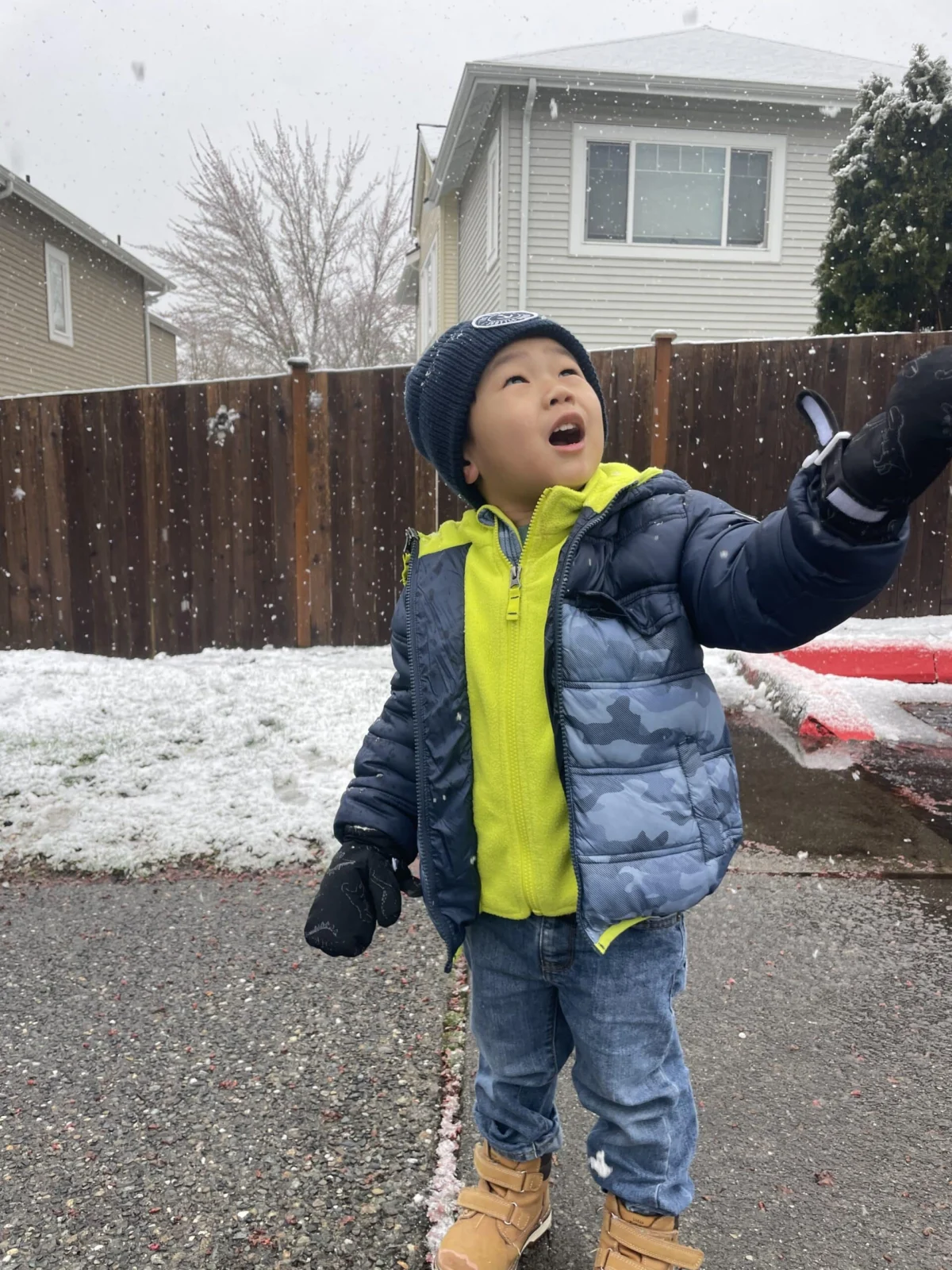
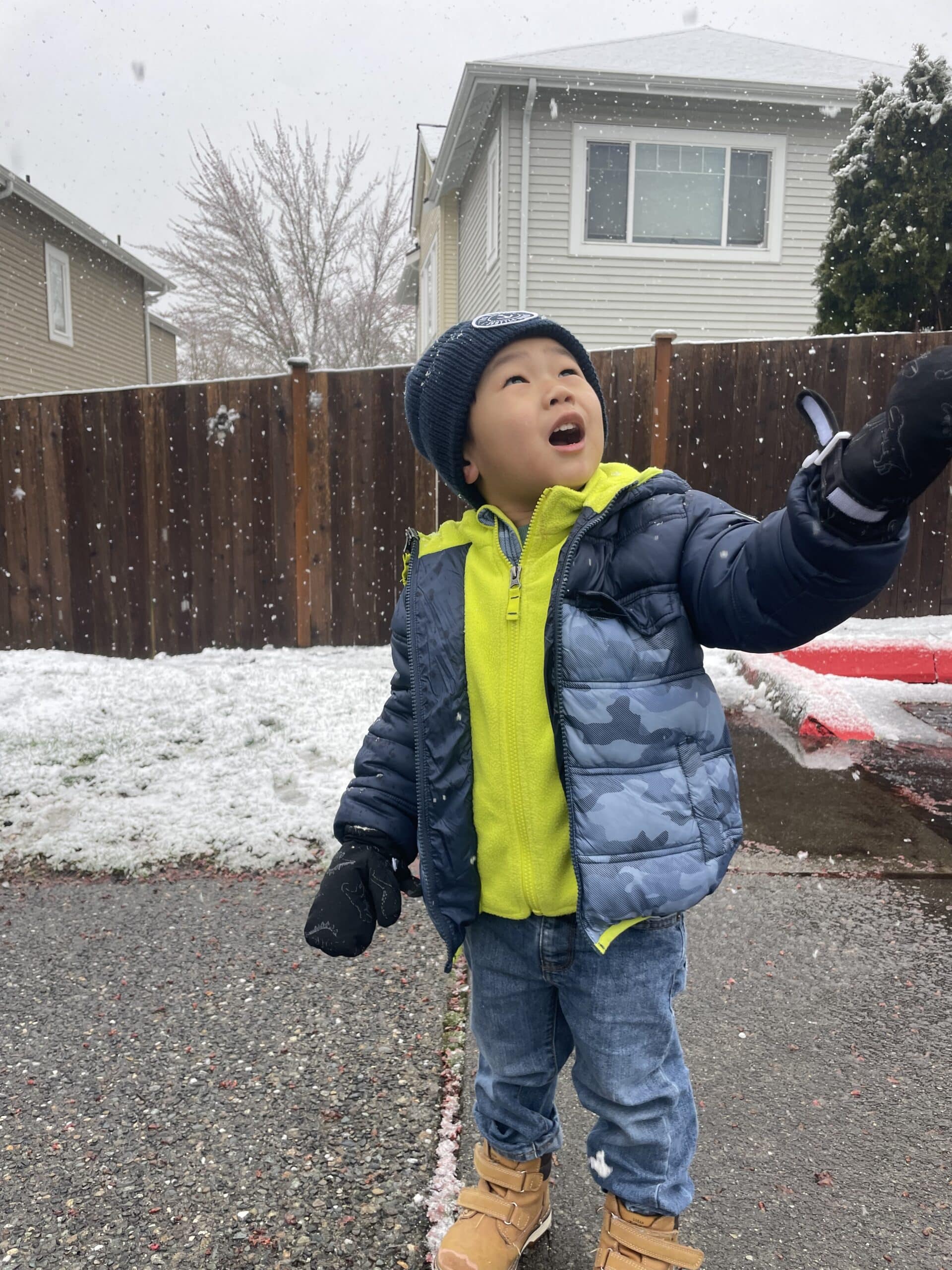
The timeline of Raiden’s development provides a clear illustration of the efficacy of early intervention. Following the initial diagnosis, the family faced the immediate task of navigating the sensory adjustments associated with wearing a hearing aid. For many young children, the sensation of an ear mold or the amplification of ambient noise can be overwhelming, leading to "ear defensiveness"—a physical and emotional resistance to wearing hearing devices.
In the months following enrollment in the Listen & Talk program, the trajectory of Raiden’s progress shifted significantly:
- Initial Phase (Months 1–2): Focus on acclimation, where the child and parents worked with speech therapists to desensitize the child to the hearing aid, establishing consistent wear-time as a positive daily routine.
- Intermediate Phase (Months 3–4): Increased wear-time allowed for the child to begin processing more complex auditory input, leading to a transition from one-to-two-word phrases to three-to-four-word sentence structures.
- Current Phase (Months 5+): The child has begun initiating conversations independently, a milestone that indicates a newfound confidence in their ability to communicate and be understood.
Supporting Data and the Impact of Early Intervention
According to data from the Centers for Disease Control and Prevention (CDC), early intervention services for children with hearing loss are directly correlated with improved outcomes in literacy and academic performance. Children who receive appropriate intervention services before the age of six months have been shown to develop language skills at a rate comparable to their hearing peers, whereas those who do not are at a significantly higher risk for long-term educational challenges.
Furthermore, the integration of advocacy training—a cornerstone of the Listen & Talk model—is essential. By teaching children to self-advocate regarding their hearing needs, they gain the tools to navigate a world that is not always acoustically optimized for their condition. As these children transition into the K-12 school system, these skills ensure they can request preferential seating, manage their assistive technology, and communicate their specific needs to teachers, coaches, and peers.

Institutional Response and Broader Implications
The broader implications of this model extend beyond individual success stories. Social impact enterprises like Listen & Talk are increasingly viewed as essential components of a robust public health infrastructure. By combining clinical expertise with educational practice, these programs reduce the long-term societal costs associated with untreated hearing loss, which can include diminished academic achievement and reduced labor market participation later in life.
However, the burden remains high for families. Access to these specialized programs is often restricted by geography and financial resources. The cost of audiology, speech therapy, and specialized instruction is significant, necessitating a reliance on philanthropic support. Organizations such as Listen & Talk rely heavily on charitable donations to bridge the gap between public funding and the actual cost of providing high-quality, individualized care. This funding supports essential components such as:
- Early Intervention Services: Pediatric-specific evaluations and home-visit programs.
- Speech-Language Pathology: Targeted therapy to bridge gaps in linguistic development.
- Parental Education: Training families to act as the primary facilitators of their child’s language acquisition at home.
- Technology Access: Providing the necessary hearing aids and FM systems for children who might otherwise lack access.
Analysis of Future Challenges
While the progress shown in cases like Raiden’s is encouraging, systemic challenges remain. Many regions lack the concentration of specialists required to offer a comprehensive blended classroom environment. Furthermore, the rapid advancement of technology—such as cochlear implants and advanced digital hearing aids—requires that educational staff engage in continuous, rigorous professional development to stay current with the latest clinical interventions.
As the field moves toward a more inclusive educational landscape, the goal remains the same: the removal of systemic barriers that limit the potential of children with hearing loss. Whether through policy changes that mandate earlier screening or increased funding for inclusive preschool programs, the success of students like Raiden serves as a benchmark for what is possible when medical science, specialized education, and parental advocacy align. The vision shared by educators and advocates—that no child should be limited by their hearing loss—is not merely an aspiration, but an achievable outcome when the community invests in the critical years of early childhood. Through continued support and the expansion of these specialized programs, the hope is that every child, regardless of their auditory diagnosis, can have the same opportunity to thrive, communicate, and contribute to their community.