The Evolution of ANSI/ISEA 107
The 2026 update arrives as part of a multi-year cycle of review conducted by the ISEA, which involves input from safety professionals, textile experts, and industry regulators. The primary objective of these revisions is to ensure that the garments worn by workers in hazardous environments—such as construction sites, roadway maintenance zones, and logistics hubs—offer the highest degree of protection against low-visibility accidents. By staying aligned with global standards while addressing domestic labor needs, the ISEA ensures that American safety gear remains at the forefront of global best practices.
Addressing the Sizing Gap
One of the most notable changes in the 2026 edition concerns the manufacturing of smaller-sized garments. Under the previous iterations of the standard, the "reduced-material allowance" was strictly limited to the smallest size offered by a manufacturer. This allowance permits a slight reduction in the amount of required fluorescent background material to ensure the garment maintains a professional fit without unnecessary bulk.
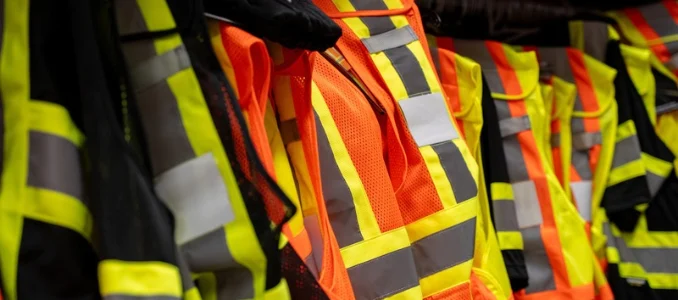
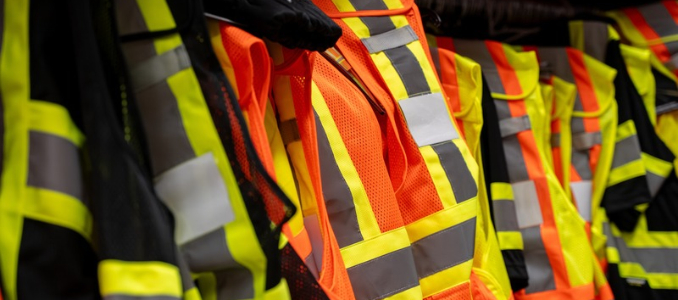
In the updated ANSI/ISEA 107-2026, this allowance has been extended to include sizes up through Medium for Type R (Roadway) Performance Class 2 and Class 3 garments. This change is directly responsive to the diversifying workforce in industrial sectors. Safety organizations have long noted that poorly fitted gear poses its own set of risks. A vest that is too large or bulky can easily snag on heavy machinery, power tools, or protruding materials, creating a secondary hazard for the wearer. Furthermore, if a garment is oversized, the reflective strips intended to alert motorists or equipment operators to the worker’s presence may shift out of position, compromising the visibility of the worker.
By providing manufacturers with the regulatory leeway to scale down the background material in smaller sizes without sacrificing safety compliance, the ISEA is enabling a more inclusive approach to PPE. This ensures that workers, regardless of their stature, can benefit from the full protective potential of high-visibility technology.

Technical Updates and Laboratory Standards
Beyond the sizing adjustments, the 2026 edition introduces rigorous updates to laboratory testing protocols. As material science advances, the methods used to measure colorfastness, tear strength, and retroreflectivity must keep pace. The updated standard now references the latest methods established by the American Association of Textile Chemists and Colorists (AATCC), the American Society for Testing and Materials (ASTM), and the International Organization for Standardization (ISO).
These updates ensure that the performance thresholds—the metrics used to determine whether a garment is "safe" for its intended environment—remain consistent and reliable. The move toward current ISO and ASTM testing references reflects the ISEA’s commitment to global harmonization. This is particularly important for multinational companies that source materials or manufacture garments across different regions, as it creates a unified language for safety performance.
For specialized applications, particularly those involving flame-resistant (FR) apparel, the update includes critical references to NFPA 1950-2025 and NFPA 2112-2023. These additions ensure that garments designed to protect against both high-visibility hazards and thermal incidents are held to the most current and stringent safety standards available.

Timeline and Transitionary Period
A key question for procurement managers and safety officers is the immediate impact on existing inventories. The ISEA has clarified that garments manufactured and labeled under the previous edition of the standard are not rendered obsolete by the publication of the 2026 version.
The industry typically operates on a transitionary timeline, allowing for a phased adoption of new standards. During this period, products tested to either the previous edition or the 2026 edition are expected to coexist in the marketplace. This approach prevents the wasteful disposal of compliant stock while ensuring that new production runs align with the updated requirements. The ISEA encourages organizations to review their current PPE procurement policies and coordinate with suppliers to understand when the 2026-compliant inventory will become the standard offering.
The Broader Impact on Workplace Safety
The implications of these changes extend far beyond simple garment sizing. In the context of industrial safety, "visibility" is a function of contrast, luminescence, and movement. When workers are comfortable and their equipment fits correctly, they are more likely to wear the PPE consistently and correctly. This, in turn, reduces the frequency of "near-miss" incidents where a worker’s lack of visibility might have been a contributing factor.

From a sociological perspective, the focus on smaller builds acknowledges a significant shift in the workforce demographic. As more women and individuals of smaller stature enter roles in construction, transportation, and emergency response, the traditional "one-size-fits-all" approach to PPE has become increasingly untenable. By formalizing these sizing allowances, the ISEA is not merely adjusting a technical document; it is facilitating a safer, more equitable working environment.
Analysis of Compliance and Documentation
The updated standard also places a renewed emphasis on documentation. As laboratory test methods evolve, manufacturers are required to maintain updated records that demonstrate compliance with the new AATCC, ASTM, and ISO references. This increased rigor in documentation is designed to provide safety officers and third-party inspectors with greater transparency.
When a safety audit occurs, the ability to verify that a specific vest or jacket meets the 2026 criteria—supported by current test data—is paramount. For many companies, this means updating their vendor management systems to track which version of the ANSI/ISEA 107 standard their suppliers are utilizing. While the core performance classes remain unchanged, the underlying technical validation has been modernized, ensuring that the safety ratings on the garment labels are based on the most accurate data available today.

Strategic Implications for Industry Leaders
For those managing large-scale industrial projects, the update to ANSI/ISEA 107-2026 serves as a timely reminder to review safety programs. Industry leaders should take the following steps:
- Conduct an Inventory Assessment: Review existing PPE stockpiles to determine how much of the current inventory adheres to the previous standard and develop a plan for integrating 2026-compliant gear.
- Consult with PPE Suppliers: Engage with authorized distributors to understand the availability of garments specifically designed with the new, inclusive sizing allowances.
- Update Training and Education: Ensure that site safety training reflects the importance of proper fit. If a worker has previously been using an oversized vest due to a lack of better options, the introduction of properly sized gear should be highlighted as a safety upgrade.
- Monitor Regulatory Adoption: While ANSI standards are voluntary, they are frequently referenced by OSHA in enforcement actions. Staying ahead of these standards is a critical component of proactive risk management.
Conclusion: A Foundation for the Future
The release of ANSI/ISEA 107-2026 is a testament to the ongoing maturation of industrial safety practices. By balancing the need for technical consistency with the necessity of evolving to meet human-centric design needs, the ISEA has provided a roadmap for safer workplaces. The move to expand sizing allowances for smaller workers, coupled with updated testing methodologies, reinforces the principle that safety equipment must be as dynamic as the workforce it protects.
As organizations begin to implement these changes, the focus remains on the ultimate goal: the prevention of workplace injuries and the protection of every worker. Through the application of these updated standards, employers can ensure that their teams are not only visible but also equipped with gear that supports, rather than hinders, their performance. The standard, which is now available for purchase and reference through the ISEA, provides the necessary tools for the industry to continue its trajectory toward zero-incident job sites. By embracing these updates, the industrial sector confirms its commitment to the highest standards of safety, inclusivity, and technical excellence in an ever-changing professional landscape.