
The research was spearheaded by Ramon Velazquez, an assistant professor at the ASU-Banner Neurodegenerative Disease Research Center, in collaboration with experts from the ASU School of Life Sciences, the Banner Sun Health Research Institute, and the Mayo Clinic in Arizona. By examining a cohort of young adults, the team sought to bridge the gap between metabolic health and long-term cognitive resilience, providing a sobering look at how lifestyle-related conditions in early adulthood may dictate brain health in the senior years.
The Biological Connection Between Obesity and Neurodegeneration
For decades, the medical community has recognized a "heart-brain" connection, noting that cardiovascular health often mirrors cognitive health. However, this new research shifts the focus toward "metabolic-brain" health. Obesity is not merely a condition of excess adipose tissue; it is a state of chronic, low-grade systemic inflammation. This inflammation places significant strain on the body’s vascular and metabolic systems, which in turn affects the brain’s delicate environment.
In the ASU study, researchers focused on young adults—a demographic typically considered to be at the peak of their physical and cognitive health. Despite their youth, participants with obesity showed elevated levels of inflammation-promoting proteins and enzymes that signal liver stress. Most alarmingly, the team detected high levels of neurofilament light chain (NfL) in their blood. NfL is a protein that is released into the bloodstream and cerebrospinal fluid when neurons are damaged or die. Historically, NfL has been used as a biomarker for diagnosing and monitoring the progression of Alzheimer’s disease, multiple sclerosis, and other forms of dementia in older populations.
The presence of NfL in individuals in their 20s and 30s suggests that the brain is already undergoing structural stress. While these young adults do not yet show behavioral signs of cognitive impairment, the biological "footprints" of damage are identical to those found in the early stages of neurodegenerative diseases.
The Critical Role of Choline in Neurological Preservation
A pivotal finding of the research involves the nutrient choline, a compound that the body requires for a myriad of essential functions. Choline is a precursor to acetylcholine, a neurotransmitter vital for memory, mood, and muscle control. It is also a key component of cell membrane integrity and plays a major role in regulating gene expression and managing the transport of fats from the liver.
The study revealed that young adults with obesity had significantly lower circulating levels of choline compared to their healthy-weight counterparts. This deficiency was directly correlated with higher levels of NfL and markers of insulin resistance. Essentially, the less choline a participant had in their system, the more evidence there was of brain cell damage and metabolic dysfunction.
"This research adds to the growing evidence that choline is a valuable marker of metabolic and brain dysfunction," stated Ramon Velazquez. He noted that several other reports published recently have further linked reduced blood choline levels to behavioral changes, including increased anxiety and memory impairment. The deficiency appears to be a "double-edged sword," where the lack of the nutrient prevents the brain from repairing itself while simultaneously allowing inflammation to go unchecked.
Comparative Data: Young Adults vs. Alzheimer’s Patients
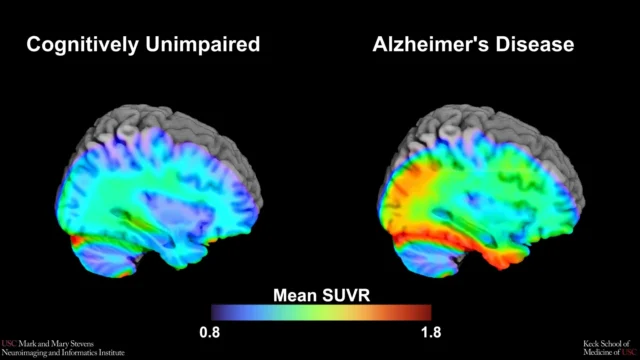
To contextualize their findings, the ASU team compared the biomarker profiles of the young adults with data from older adults who had been diagnosed with mild cognitive impairment (MCI) or late-stage Alzheimer’s disease. The results were striking: the pairing of low choline and high NfL was a consistent signature across both groups.
This suggests that the biological environment of a 25-year-old with obesity and low choline intake may resemble the early-stage pathology of an aging brain. The research implies that Alzheimer’s is not a disease that begins at age 65, but rather a culmination of metabolic insults that can begin in early adulthood. By identifying these markers early, the researchers hope to shift the focus of neurology from "reactive treatment" to "proactive prevention."
Dietary Trends and the Impact of Modern Weight-Loss Medications
The study highlights a burgeoning public health crisis regarding nutrition. National nutrition surveys indicate that a vast majority of Americans—particularly teenagers and young adults—do not meet the recommended daily intake of choline. While the liver produces small amounts of the nutrient, it is insufficient to meet the body’s needs, making dietary intake essential.
Rich sources of choline include:
- Animal Proteins: Eggs (specifically the yolk), beef liver, poultry, and fish.
- Plant-Based Sources: Beans, peas, and cruciferous vegetables like broccoli, cauliflower, and Brussels sprouts.
- Nuts and Seeds: Soybeans and sunflower seeds.
The researchers also noted a gender disparity in the findings: women in the study tended to have lower choline levels than men. This is a significant observation given that women are statistically more likely to develop Alzheimer’s disease and often experience more rapid cognitive decline as they age.
Furthermore, the study raises important questions regarding the use of modern weight-loss medications, such as GLP-1 receptor agonists (e.g., Ozempic and Wegovy). While these drugs are highly effective at reducing weight and improving cardiovascular markers, they function primarily by suppressing appetite. A significant reduction in food intake can inadvertently lead to a "nutrient gap," where patients are not consuming enough choline or other essential vitamins to support brain health. The authors suggest that future clinical guidelines for weight-loss therapies should include nutritional supplementation to ensure that metabolic weight loss does not come at the expense of neurological integrity.
Chronology of Research and Experimental Design
The ASU study is the latest in a series of investigations into the relationship between choline and brain health. Previous research led by Velazquez used rodent models to demonstrate that choline deficiency across multiple generations could lead to increased Alzheimer’s pathology and metabolic disorders in offspring. Those animal studies provided the foundational evidence needed to move into human trials.
For the human study, the researchers recruited 30 adults in their 20s and 30s. The cohort was split evenly between individuals with a Body Mass Index (BMI) categorized as "healthy" and those categorized as "obese." Participants provided fasting blood samples, which were subjected to rigorous analysis for:
- Metabolic Markers: Insulin, glucose, and liver enzymes.
- Inflammatory Markers: Various cytokines that signal systemic stress.
- Nutritional Markers: Circulating choline levels.
- Neurological Markers: Neurofilament light chain (NfL).
The consistency of the data across these diverse markers allowed the team to draw a clear line between metabolic strain and early neuronal injury.
Implications for Public Health and Future Research
The findings from ASU, Banner, and Mayo Clinic provide a new framework for understanding the lifecycle of neurodegenerative disease. If obesity and nutrient deficiency in one’s 20s can be linked to the "seeds" of Alzheimer’s, then public health interventions must start much earlier.
"Most people don’t realize they aren’t getting enough choline," said Wendy Winslow, the study’s first co-author. "Adding choline-rich foods to your routine can help reduce inflammation and support both your body and brain as you age."
The study suggests that metabolic health is a cornerstone of cognitive longevity. By maintaining a healthy weight and ensuring adequate intake of nutrients like choline, individuals may be able to bolster their "cognitive reserve," delaying or even preventing the onset of dementia later in life.
The researchers plan to expand their work by conducting longitudinal studies to track how choline supplementation and weight management in young adulthood affect cognitive outcomes decades later. They also aim to explore the specific mechanisms by which liver strain—common in obesity—interferes with the brain’s ability to process choline and clear toxic proteins.
As the global prevalence of obesity continues to rise, the ASU study serves as a critical warning. The damage being done to the brain in early adulthood is often invisible, but it is not immeasurable. Through better nutrition, metabolic awareness, and early screening of biomarkers like NfL, the medical community may finally find a way to turn the tide against the growing epidemic of Alzheimer’s disease.