The Genesis of a Movement: From Clinical Isolation to Community Connection
The inception of VOZ SOS CAAPAZ in October 2025 was not merely an administrative decision, but the result of a profound pedagogical and ethical interrogation of existing therapy standards. For years, practitioners like Ordóñez operated under a traditional framework that prioritized verbal speech as the primary metric of successful communication. However, rising global discourse within the disability community, particularly the "Nothing About Us Without Us" movement, challenged the efficacy of traditional, intermittent, and individualized therapy.
The project was informed by three pivotal developments in the field of AAC. First, the "CAAmigos Angelman" initiative, a virtual, evidence-based program that emphasizes comprehensive literacy and naturalistic learning, provided a foundational model for neuro-affirmative practice. This program forced a critical re-evaluation of the role of the communication partner, who must evolve from an instructor to a fellow learner. Second, the publication of Gran Blasko’s seminal work in the 2025 volume of the journal AAC served as a catalyst, highlighting the systemic exclusion of AAC users from the research and design phases of the very technologies they rely upon. Finally, the formal adoption of "Relationship-Based Learning" provided the framework for the project’s structure, prioritizing horizontal power dynamics between users and their communication partners.
Chronology of Implementation and Community Engagement
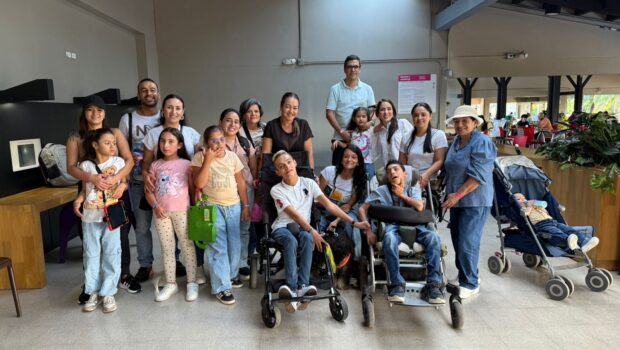
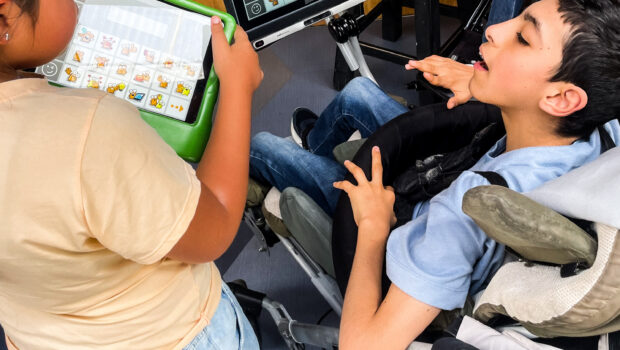
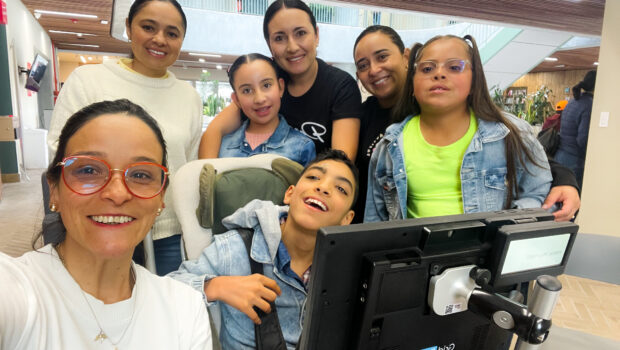
The project’s pilot phase officially commenced in October 2025, strategically timed to coincide with AAC Awareness Month. The inaugural gathering at the Comfama Rionegro park in Antioquia served as a proof-of-concept for the viability of inclusive public gatherings. The event brought together a diverse group of stakeholders, including six AAC users employing various technologies—ranging from Td Snap and Proloquo2go to sophisticated eye-tracking systems such as Grid 3. The presence of ten family members and a specialized therapist ensured a support network capable of facilitating authentic interaction.
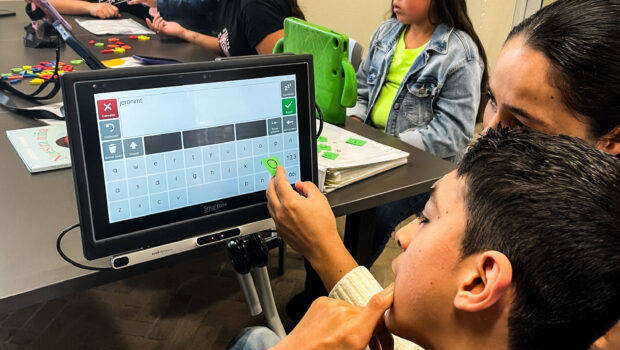
Following the success of the October event, the project shifted toward specialized educational outcomes. In February 2026, the initiative held its first in-person shared reading session at a public library in Rionegro. Utilizing the principles of "Comprehensive Literacy" as defined by expert Erin Sheldon, the session focused on developing print knowledge through meaningful engagement. This transition from social connection to literacy-based learning marks the project’s expansion into more formal educational spheres.
Data and Demographic Impact
The demographic composition of the VOZ SOS CAAPAZ meetings reflects the heterogeneity of the AAC-using population. Participants in the initial gatherings represented varying developmental stages and technical proficiencies:
- Communication Modalities: Users integrated a mix of high-tech solutions, including Td Snap, Communicator 5, Proloquo2go, and Grid 3 (integrated with eye-tracking hardware).
- Support Structure: The ratio of professional support to family participation remained intentionally balanced, with one specialized speech-language pathologist overseeing a cohort of family members who acted as co-learners.
- Accessibility Scope: The initiative has successfully moved beyond private clinical settings into public infrastructure, specifically parks and public libraries, thereby normalizing the presence of AAC users in the broader social fabric.
Feedback from participants indicates a high level of satisfaction and a clear demand for the continuation of these services. Pablo Andrés Calderón Gómez, an AAC user, noted the critical importance of these gatherings, stating that they represent a fundamental exercise of the "Right to Communication" and calling for a broader expansion of such opportunities for others in the community.
Fact-Based Analysis: Implications for Clinical Practice
The implications of VOZ SOS CAAPAZ extend far beyond the borders of Antioquia. The project challenges three major "ceilings" currently present in speech-language pathology:
- The Myth of the "Clinical Ceiling": Traditional therapy often limits the complexity of input provided to non-speaking individuals based on preconceived notions of cognitive capacity. VOZ SOS CAAPAZ operates on the principle of "presuming competence," a neuro-affirmative standard that assumes all individuals have the capacity to learn regardless of their motor or speech output.
- The Role of the Communication Partner: The project necessitates a radical shift in the role of the therapist. By requiring that partners become "learners of the system," the project fosters a co-educational environment where the power imbalance inherent in the clinical model is dismantled.
- Literacy as a Fundamental Right: By integrating comprehensive literacy, the project addresses a long-standing failure in special education, where non-speaking individuals are frequently denied access to high-quality literacy instruction, further marginalizing them from the broader culture.
Broader Impact and Future Projections
The sustainability of the VOZ SOS CAAPAZ model hinges on its scalability and the ongoing education of stakeholders. The current model, which utilizes monthly Saturday sessions, is designed to be an adaptive, iterative process. As more families and users join, the initiative aims to identify new public spaces that can accommodate the unique sensory and communicative needs of its participants.
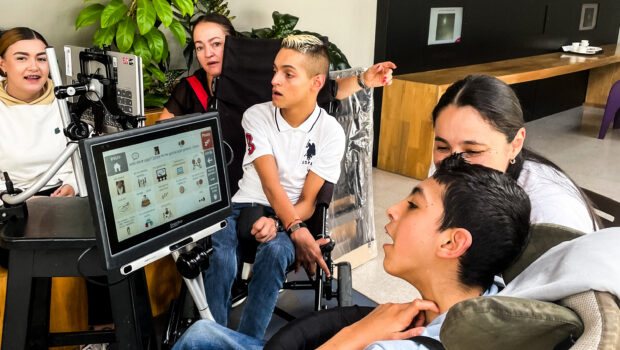
The project underscores a growing international recognition that AAC is not merely a technical intervention but a human rights issue. By validating all communication modalities—whether gesture, low-tech, or high-tech—the project ensures that non-speaking individuals are not treated as passive recipients of care, but as active, autonomous participants in their communities.
For families of AAC users, the model serves as a call to action. It encourages them to seek out or initiate environments that move beyond the limitations of traditional, speech-centric interventions. It posits that the most effective path forward is one defined by connection, the dismantling of ableist structures, and the provision of access to the tools of literacy and expression.
Conclusion
As the project continues to evolve, its impact on the Colombian AAC community remains a significant case study in modern speech-language pathology. By bridging the gap between theoretical frameworks—such as neuro-affirmative practice and comprehensive literacy—and real-world, inclusive social engagement, VOZ SOS CAAPAZ is establishing a new standard for what it means to support, empower, and integrate non-speaking individuals into the fabric of society. The success of the Rionegro initiative suggests that when the environment is properly scaffolded and the user’s autonomy is prioritized, the barriers to meaningful communication are not insurmountable. The project stands as a testament to the fact that every individual possesses a unique voice; the task of the professional is simply to ensure they have the access and the space to project it.