The initiative comes at a time when digital accessibility has moved from a secondary consideration to a legal and operational mandate for the public sector. Since the implementation of the Public Sector Bodies (Websites and Mobile Applications) (No. 2) Accessibility Regulations 2018, UK government departments have been required to meet the Web Content Accessibility Guidelines (WCAG) 2.1 AA standards, with recent shifts toward the even more rigorous WCAG 2.2. The insights shared by Becky Ashley, Sally Creasey, and Rik Williams highlight that meeting these standards requires more than just technical "fixes" like alt-text or color contrast; it requires a fundamental rethink of how information is categorized and delivered.
The Strategic Integration of Accessibility in Architecture
A recurring theme among the GDS experts is the necessity of embedding accessibility at the earliest stages of the design process. Becky Ashley, Lead Information Architect at GDS, emphasized that accessibility must be woven into the organizational fabric at every level. According to Ashley, this involves a dual approach of broad education and structured internal workflows. She advocates for a collective mindset where inclusive design is not the sole responsibility of an "accessibility lead" but is a shared accountability across all skill sets. This approach ensures that architectural decisions are intuitive from the outset, reducing the need for costly retroactive adjustments.
Sally Creasey, a Senior Information Architect, reinforced this by highlighting the role of advocacy. She noted that information architects must build confidence among stakeholders and colleagues by involving them directly in the IA process. Creasey argued that sitemaps, ontologies, and knowledge organization systems are only effective if they are built on a foundation of shared understanding. By taking stakeholders and end-users along on the design journey, IAs can ensure that the final product does not "miss the mark" for those with diverse needs.
The Three Pillars of Accessible IA: Ontology, Taxonomy, and Choreography
Rik Williams, Senior Information Architect at GDS, provided a technical framework for prioritizing accessibility within the discipline. He identified three critical pillars that determine the usability of a digital system:
- Ontology: This defines what the information is. Accessible ontologies use clear, consistent concepts that assist users with cognitive disabilities, learning differences, or limited domain knowledge. By defining terms clearly, IAs reduce the mental effort required to understand the scope of a service.
- Taxonomy: This governs how information is organized. Inclusive taxonomies utilize predictable and logical structures. For users who rely on screen readers or those with mobility impairments, a predictable hierarchy is essential for navigation.
- Choreography: This focuses on how users interact with information across various channels and over time. Williams noted that choreography creates logical sequences, ensuring a sensible tabbing order for keyboard users and clear calls to action for everyone.
Williams argued that by focusing on these three pillars both individually and as a cohesive whole, architects create "deeply usable" systems. In the GDS philosophy, deep usability is viewed as the fundamental basis for accessibility.
Educational Strategies and the Role of Simulation
Educating multi-disciplinary teams—including developers, designers, and content creators—is a central challenge for IAs. Ashley suggested the use of shared frameworks such as the POUR principles (Perceivable, Operable, Understandable, and Robust) to bridge the gap between different technical languages. By applying these universal principles to every workstream, teams can maintain a sense of collaboration and accountability.
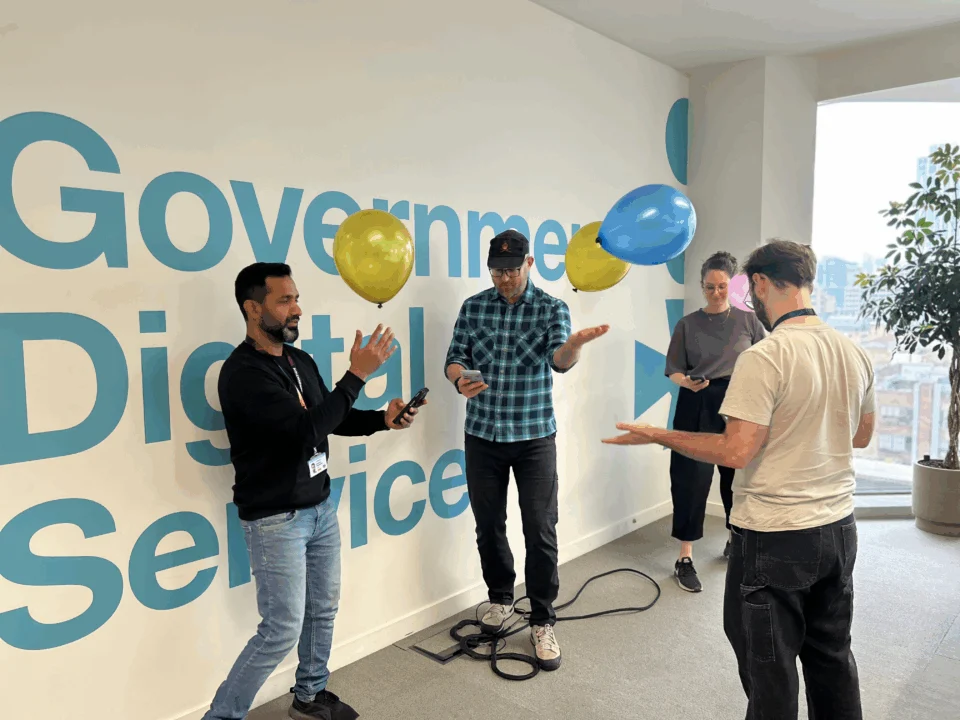
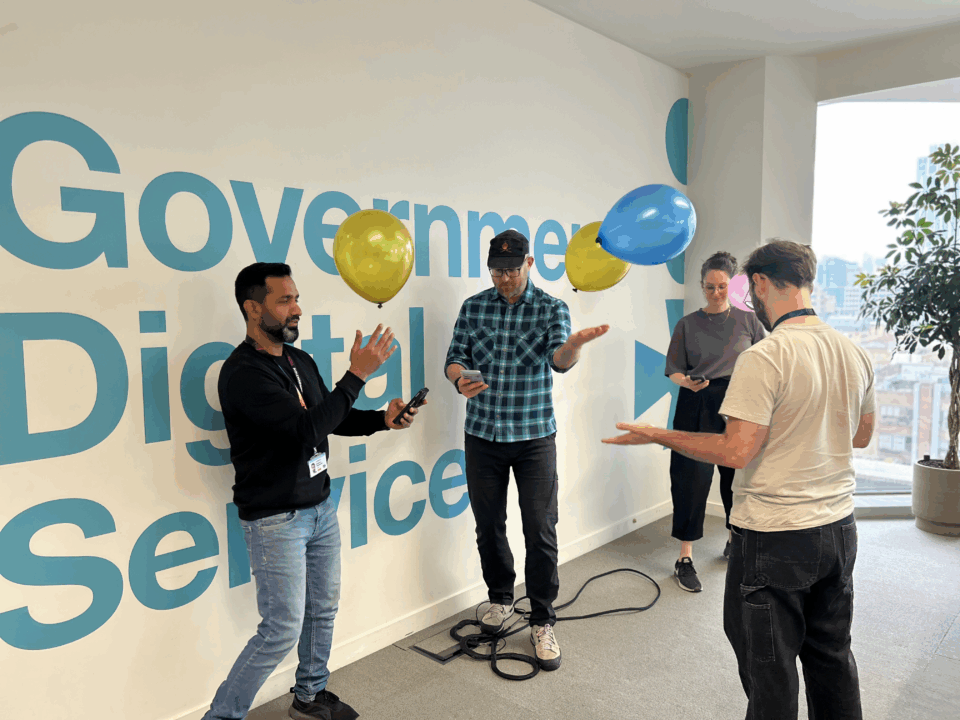
To further bridge the gap between designers and the reality of user experiences, Rik Williams discussed the use of simulations. GDS teams sometimes employ "empathy balloons"—a game designed to simulate the cognitive and dexterity challenges faced by users—or tools like motor-control limiting gloves and vision-impairing glasses. While Williams acknowledged that these simulations have limitations and should never replace direct research with people with disabilities, they serve as a valuable "bridge" to help designers uncover issues in information flows and relationship clarity.
Sally Creasey added that "being the change you want to see" is vital. She champions the use of intuitive labeling and the mapping of concepts to users’ mental models. Creasey also pointed out that accessibility extends to the "backend" of digital services. Content Management Systems (CMS) and tagging interfaces must also be accessible, as government employees with disabilities must be able to publish and manage content as effectively as the public consumes it.
Identifying and Avoiding Common Architectural Pitfalls
The GDS team identified several "pitfalls" that can render a service inaccessible despite a team’s best intentions. A primary error is the tendency to organize information around internal organizational structures or stakeholder preferences rather than user needs. This often leads to the use of jargon and the creation of "overlapping" sections that cause a "paradox of choice," where users find it difficult to decide which path to take.
To combat this, Creasey recommends the creation of a "controlled vocabulary." This ensures consistency in language, preventing the confusion that arises when different names are used for the same service or concept. Such inconsistencies add a significant "cognitive load" to users, particularly those with neurodivergent conditions or cognitive impairments.
Becky Ashley warned against the "set it and forget it" mentality. She noted that information architecture is an iterative process. Architects must constantly monitor feedback loops to ensure that code and content can "flex" to meet emerging user needs. She suggested that labels within code should perform the role of accessible metadata, providing a continuous link between data structure and user requirements.
Tools and Methodologies for Universal Design
The GDS approach to IA is heavily rooted in user research methodologies. Sally Creasey highlighted techniques such as "noun and verb foraging," card sorting, and tree testing. These methods allow architects to observe how users naturally group information and what terminology they use. Furthermore, the use of "progressive disclosure"—the practice of revealing information only as it is needed—helps prevent users from being overwhelmed by too much data at once.
Rik Williams pointed to Object-Oriented Design (OOD) as a powerful tool for accessibility. By building information environments around tangible "objects" and standardizing their attributes, architects can create a highly consistent user experience. This consistency is particularly beneficial for users who require screen readers or personalization tools, as it ensures a predictable text structure across different technologies.
Supporting Data and Regulatory Context
The emphasis on IA accessibility is supported by significant demographic and economic data. According to the UK’s Department for Work and Pensions (DWP), there are approximately 16 million people living with a disability in the UK, representing roughly 24% of the population. Research from the "Purple Tuesday" initiative suggests that the "Purple Pound"—the spending power of disabled people and their families—is worth an estimated £274 billion per year to the UK economy. Inaccessible digital services not only exclude citizens from essential government functions but also represent a significant failure in reaching a large portion of the population.
Furthermore, the 2023-2024 monitoring report on public sector accessibility found that while compliance is improving, many websites still struggle with complex navigation and "hidden" content that is not reachable via keyboard. The GDS’s focus on information architecture directly addresses these "structural" failures that automated accessibility checkers often miss.
Analysis of Broader Implications
The insights provided by the GDS Information Architects suggest a shift in the digital design industry. Accessibility is no longer being treated as a "layer" added at the end of a project, but as the very foundation of the information system. This "architecture-first" approach to accessibility has several long-term implications:
- Reduced Cognitive Load: By simplifying structures and using clear taxonomies, services become more usable for everyone, including people under stress, those with low literacy levels, and non-native speakers.
- Future-Proofing for AI: As the government explores the use of Artificial Intelligence and Large Language Models, the quality of underlying metadata and IA becomes crucial. Well-structured, accessible data ensures that AI-driven services can provide relevant and accurate information to users with specific access needs.
- Cross-Channel Consistency: By focusing on "choreography," IAs ensure that a user’s experience is consistent whether they are accessing a service via a mobile app, a desktop website, or a physical service point.
The GDS "Unlocking Accessibility" series continues to serve as a benchmark for digital standards globally. By sharing these internal methodologies, GDS aims to foster a broader culture of inclusive design that transcends the public sector and influences the wider digital economy. The GDS team concluded by inviting other practitioners to contribute to the dialogue, emphasizing that the path to universal access is a collaborative, ongoing effort.