
Published August 24, 2026, by Dr. Yi Ge, MED-EL
Retrocochlear hearing loss represents a distinct challenge within the spectrum of auditory impairments, impacting the intricate journey of sound signals from the inner ear to the brain. Unlike cochlear hearing loss, which originates within the snail-shaped cochlea of the inner ear, retrocochlear issues arise in the structures that lie "behind the cochlea"—primarily the auditory nerve and the initial segments of the auditory pathways in the brainstem. This distinction is crucial, as it dictates the nature of the hearing difficulties experienced and the diagnostic and therapeutic approaches required.
Defining the Auditory Pathway: From Sound Waves to Neural Signals
To fully grasp retrocochlear hearing loss, it’s essential to understand the normal auditory process. Sound waves enter the ear canal and vibrate the eardrum, which in turn causes the tiny bones of the middle ear to move. These vibrations are then transmitted to the cochlea in the inner ear. Within the cochlea, fluid-filled canals and thousands of delicate hair cells convert these mechanical vibrations into electrical signals. These signals are then relayed by the auditory nerve to the brainstem, and subsequently through various central auditory pathways to the auditory cortex in the brain, where they are interpreted as sound.

Cochlear hearing loss occurs when damage or dysfunction affects the cochlea itself, impairing the conversion of mechanical energy to electrical signals. This can be due to aging, noise exposure, genetic factors, or certain medical conditions. Retrocochlear hearing loss, however, occurs when the auditory nerve or the initial neural pathways carrying these electrical signals to the brain are compromised. In essence, the sound may be captured and converted within the cochlea, but the message is distorted or blocked on its way to be processed.
Key Symptoms and Distinguishing Features of Retrocochlear Hearing Loss
Individuals experiencing retrocochlear hearing loss often present with a unique set of symptoms that can be more nuanced than those associated with purely cochlear impairments. While hearing loss is a common denominator, the qualitative aspects of the auditory experience can be significantly different.
Common symptoms include:
- Unilateral or Asymmetric Hearing Loss: A noticeable difference in hearing ability between the two ears is a significant indicator. One ear may be affected more severely or exclusively.
- Difficulty Understanding Speech: This is a hallmark symptom. Even when sounds are perceived as loud enough, words may sound unclear, distorted, or muffled. This difficulty is often exacerbated in noisy environments, but it can persist even in quiet settings.
- Tinnitus: A persistent ringing, buzzing, or other phantom sound in the ear or head, which can be a symptom of nerve irritation or damage.
- Dizziness and Balance Problems: The auditory nerve also plays a role in balance. Issues affecting this nerve can manifest as vertigo, unsteadiness, or a general feeling of imbalance.
- Facial Numbness or Weakness: In cases where a retrocochlear issue, such as a tumor, is pressing on nearby nerves, symptoms like facial numbness, tingling, or even weakness may occur.
It is crucial to differentiate these symptoms from those of cochlear hearing loss. While both can lead to trouble hearing in noise, the disproportionate difficulty in understanding speech, even at normal or loud volumes, is often more pronounced in retrocochlear conditions. The sensation is less about "not hearing enough" and more about "not hearing clearly."

Understanding the Underlying Causes: Beyond the Cochlea
The causes of retrocochlear hearing loss are diverse and often relate to structural or functional abnormalities affecting the auditory nerve or the proximal brainstem pathways. Unlike many common forms of sensorineural hearing loss that stem from damage to the hair cells within the cochlea, retrocochlear pathologies involve neurological or structural issues.
Common causes include:
- Vestibular Schwannoma (Acoustic Neuroma): This is a non-cancerous tumor that develops on the vestibulocochlear nerve, which carries sound and balance information from the inner ear to the brain. As the tumor grows, it can compress the auditory nerve, leading to progressive hearing loss, tinnitus, and balance issues, typically on one side.
- Multiple Sclerosis (MS): This chronic neurological disease affects the central nervous system by damaging the myelin sheath that protects nerve fibers. If MS lesions occur along the auditory pathways in the brainstem, it can disrupt the transmission of auditory signals.
- Neurodegenerative Disorders: Conditions that affect nerve cells and their function can impact the auditory system. This includes disorders like Auditory Neuropathy Spectrum Disorder (ANSD), where the cochlea may function normally, but the auditory nerve or brainstem pathways struggle to transmit the signals effectively. Hereditary neuropathies can also fall into this category.
- Other Neurological Conditions: Strokes, inflammation of the auditory nerve (neuritis), or other central nervous system disorders can disrupt auditory signal processing.
- Vascular Issues: Problems with blood flow to the auditory nerve or brainstem can also lead to damage and hearing loss.
- Trauma and Infections: While less common, head injuries or certain infections can directly affect the auditory nerve or related neural structures.
It’s important to note that retrocochlear hearing loss is not exclusively caused by tumors. A comprehensive medical evaluation is necessary to pinpoint the exact etiology.
Diagnostic Pathways: Pinpointing the Source of the Problem
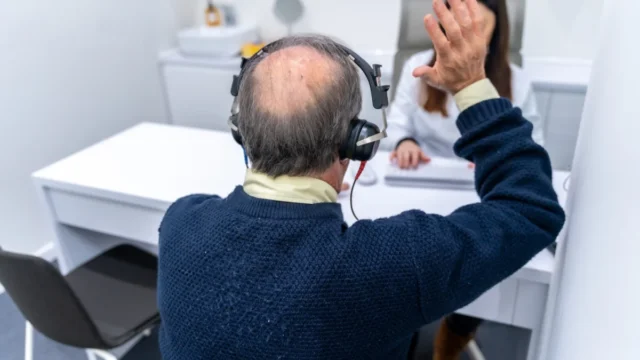
Diagnosing retrocochlear hearing loss requires a multi-faceted approach, often involving specialized audiological and medical tests. A standard audiogram, while informative about the degree of hearing loss, may not be sufficient to identify retrocochlear pathology on its own.
Key diagnostic tools include:
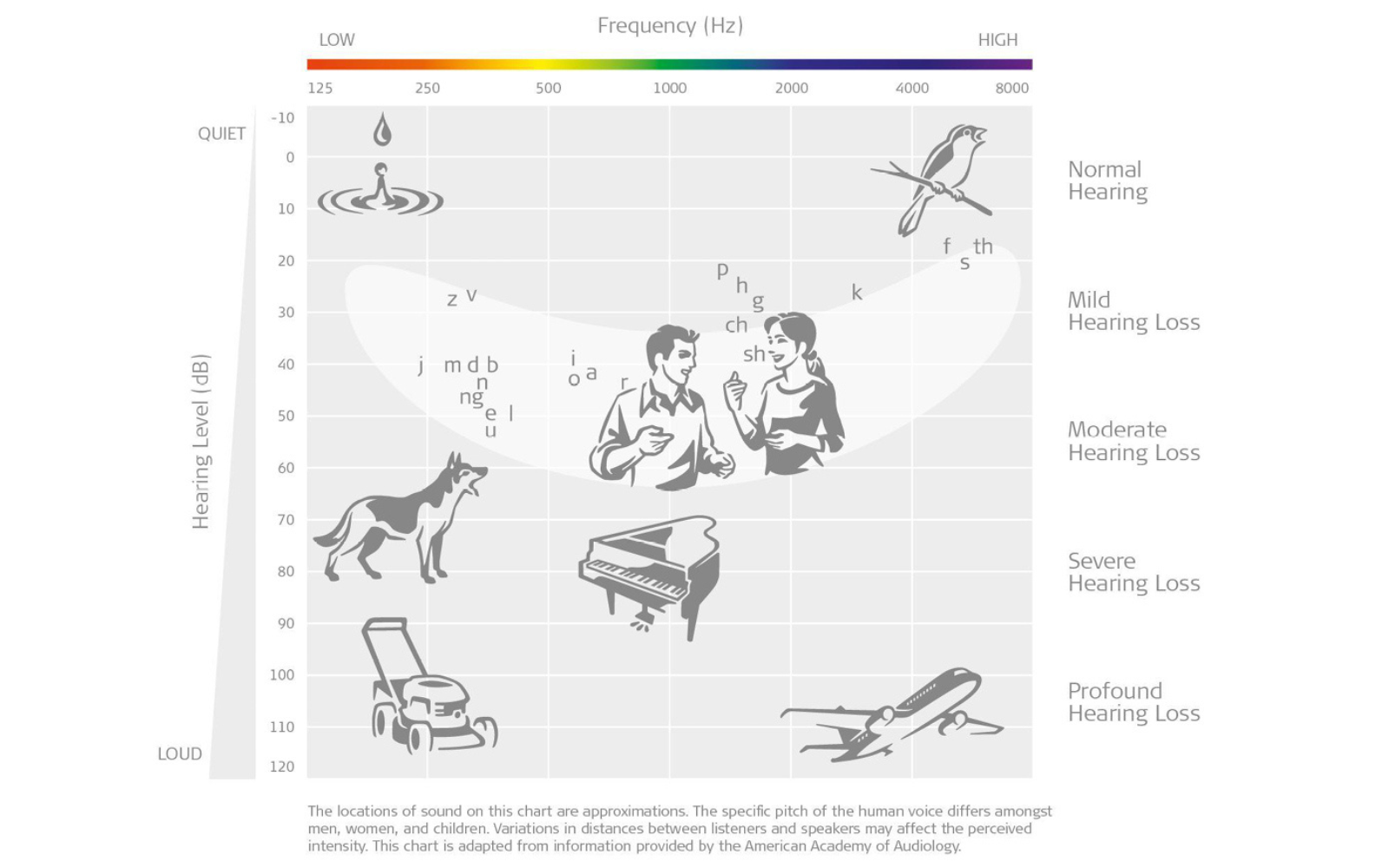
- Pure-Tone Audiometry: This fundamental hearing test measures hearing thresholds across different frequencies. Asymmetric hearing loss or a significant drop in hearing thresholds on one side can be an initial red flag.
- Speech Audiometry: Tests that assess the ability to understand spoken words are critical. A disproportionately poor speech discrimination score relative to pure-tone thresholds is highly suggestive of a retrocochlear issue. For instance, a patient might hear soft sounds but struggle significantly to comprehend even clear speech.
- Tympanometry and Acoustic Reflexes: These tests assess the function of the middle ear and the reflex response of the stapedius muscle to loud sounds. Absent or abnormal acoustic reflexes can indicate a problem with the auditory nerve or brainstem.
- Auditory Brainstem Response (ABR) Testing: This electrophysiological test measures the electrical activity of the auditory nerve and brainstem in response to sound stimuli. It provides objective information about the integrity of the auditory pathway up to the brainstem. Abnormal ABR waveforms can strongly suggest a retrocochlear lesion.
- Magnetic Resonance Imaging (MRI): If a retrocochlear cause is suspected, particularly a tumor like a vestibular schwannoma, an MRI scan of the internal auditory canal and brain is often the definitive imaging modality. It provides detailed images of the auditory nerve and surrounding structures.
- Other Neurological Assessments: Depending on the suspected cause, a neurologist may be involved to conduct further tests to assess for conditions like Multiple Sclerosis or other central nervous system disorders.
The Audiogram’s Role: Clues, Not Definitive Answers
An audiogram provides valuable insights but rarely offers a definitive diagnosis of retrocochlear hearing loss in isolation. While certain patterns might raise suspicion, they are not exclusive to retrocochlear pathologies.
- Asymmetric Hearing Loss: A significant difference in hearing levels between the two ears, particularly if it affects higher frequencies, can be an indicator.
- Poor Speech Discrimination: As mentioned, a marked discrepancy between the ability to hear pure tones and the ability to understand speech is a strong clue. For example, a person might have a hearing loss of 40 dB but only understand 50% of words in a quiet environment.
- Absent Acoustic Reflexes: While this can be caused by middle ear issues, it can also point to problems with the auditory nerve.
However, these findings must always be interpreted within the broader clinical context and in conjunction with other diagnostic tests. A mild sloping hearing loss with normal speech discrimination might be indicative of cochlear damage, while the same degree of hearing loss with severely impaired speech discrimination could point towards a retrocochlear issue.
Treatment Strategies: Tailored to the Cause
The treatment for retrocochlear hearing loss is highly dependent on the underlying cause and the specific nature of the neural impairment. There is no single, universally applicable treatment.
-
Medical and Surgical Intervention:
- Tumors: If a vestibular schwannoma is diagnosed, treatment options may include observation (for small, slow-growing tumors), surgical removal, or radiation therapy. The choice depends on the tumor’s size, location, growth rate, and the patient’s overall health and hearing status.
- Inflammation or Infection: If the cause is inflammatory or infectious, appropriate medical treatment (e.g., steroids, antibiotics) will be administered.
- Neurological Conditions: Management of conditions like Multiple Sclerosis involves disease-modifying therapies to slow progression and manage symptoms.
-
Hearing Rehabilitation:
- Hearing Aids: For some individuals with mild to moderate retrocochlear hearing loss, hearing aids may offer some benefit. However, their effectiveness can be limited, especially if the auditory nerve’s ability to process amplified signals is compromised. The benefit is often more about loudness than clarity.
- Assistive Listening Devices (ALDs): Devices like FM systems or remote microphone technology can help improve speech understanding by delivering sound directly to the listener, bypassing some of the ambient noise and distance challenges.
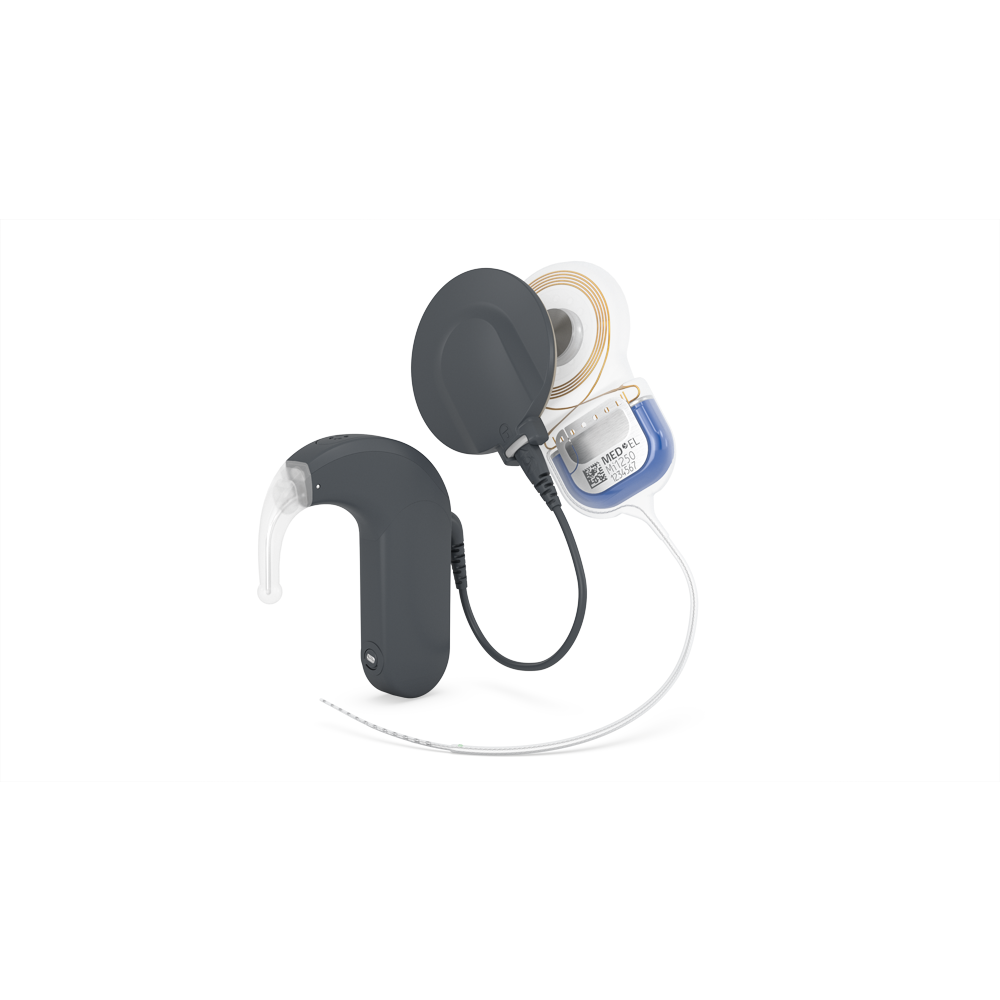
- Cochlear Implants: In cases of severe to profound sensorineural hearing loss where hearing aids are insufficient, and there is evidence of functional auditory nerve pathways, cochlear implants may be considered. These devices bypass damaged parts of the inner ear and directly stimulate the auditory nerve, providing a representation of sound to the brain. MED-EL offers a range of implantable hearing solutions that can be evaluated as part of a comprehensive care plan. The decision to pursue cochlear implantation is based on factors such as the degree of hearing loss, speech understanding abilities, and the condition of the auditory nerve.
- Auditory Rehabilitation Therapy: Speech therapists and audiologists can provide specialized training to help individuals maximize their use of residual hearing and develop compensatory strategies for communication.
When to Seek Professional Evaluation: Recognizing the Warning Signs
Prompt medical attention is crucial when symptoms suggestive of retrocochlear hearing loss emerge. Delay in diagnosis can lead to irreversible damage or missed opportunities for effective intervention.
Individuals should consult a doctor or hearing specialist if they experience:

- Sudden onset of hearing loss in one ear.
- Unilateral tinnitus or dizziness.
- A noticeable difference in hearing between the ears.
- Persistent difficulty understanding speech, especially in quiet environments.
- Any new or worsening neurological symptoms such as facial numbness or weakness.
Early assessment by an audiologist, ENT specialist (otolaryngologist), neurotologist, or neurologist is vital for accurate diagnosis and timely management.
Broader Implications and Future Outlook
Retrocochlear hearing loss, while less common than cochlear hearing loss, presents significant challenges to an individual’s quality of life, communication abilities, and overall well-being. The impact extends beyond auditory perception, affecting balance, social interaction, and cognitive function.
The increasing sophistication of diagnostic tools, particularly advanced neuroimaging and electrophysiological testing, continues to improve the accuracy and speed of diagnosis. Furthermore, advancements in implantable hearing technologies and neurological rehabilitation strategies offer growing hope for individuals affected by these complex conditions. The focus remains on personalized care, where treatment plans are meticulously tailored to the unique needs and underlying causes for each patient.
As research progresses, a deeper understanding of the neural mechanisms underlying auditory processing promises further breakthroughs in preventing, diagnosing, and treating retrocochlear hearing loss, aiming to restore not just the ability to hear, but the capacity to communicate and engage fully with the world.