The Strategic Foundation of Accessible Information Architecture
For organizations beginning their journey toward digital inclusivity, the transition requires more than just technical adjustments; it demands a cultural shift. Becky Ashley, Lead Information Architect at GDS, emphasizes that accessibility must be embedded at every level of an organization. This "top-down and bottom-up" approach ensures that inclusive design is not treated as a final checklist item but as a core requirement of the development lifecycle. According to Ashley, a collective mindset supported by structured internal workflows is essential for creating intuitive and inclusive architectural designs.
Building advocacy is a parallel necessity. Sally Creasey, Senior Information Architect at GDS, argues that stakeholders must be involved from the earliest stages of the planning process. By sharing sitemaps, ontologies, and knowledge organization systems early, architects can foster a sense of shared responsibility. Creasey warns that failing to bring colleagues and end-users along in the process risks "missing the mark," resulting in services that satisfy organizational requirements but fail to meet the diverse needs of the actual public.
The Three Pillars of Accessible IA: Ontology, Taxonomy, and Choreography
A central theme in the GDS approach is the breakdown of information architecture into three distinct yet interconnected pillars: ontology, taxonomy, and choreography. Senior Information Architect Rik Williams posits that focusing on these elements individually and cohesively is what creates "deeply usable" systems.
- Ontology (The "What"): This refers to the specific concepts and relationships that define a domain. In an accessible system, ontologies must use clear, consistent concepts. This is particularly vital for users with cognitive disabilities, learning differences, or those who lack deep domain knowledge of government processes.
- Taxonomy (The "How"): This involves the classification and organization of information. Inclusive taxonomies prioritize predictable and logical structures. For users who rely on screen readers or those with mobility impairments, a logical taxonomy reduces the "noise" and helps them navigate complex data sets without becoming overwhelmed.
- Choreography (The "Interaction"): This defines how users move through the information across different channels and contexts. Accessible choreography ensures a logical tabbing order for keyboard users, clear focus indicators, and consistent navigation patterns. When the sequence of information follows a predictable flow, it reduces the mental load for all users, regardless of their physical or cognitive abilities.
Historical Context and Regulatory Drivers
The focus on digital accessibility within the UK government is not a recent trend but the result of a decade of legislative and design evolution. The Cabinet Office established GDS in 2011 with the mandate of "Digital by Default." This was followed by the introduction of the GDS Service Standard, which mandates that all public sector services must be accessible.
The regulatory landscape shifted significantly with the "Public Sector Bodies (Websites and Mobile Applications) (No. 2) Accessibility Regulations 2018." These regulations require public sector websites and apps to be accessible by making them "perceivable, operable, understandable, and robust" (the POUR principles). Furthermore, they mandate the publication of an accessibility statement. As of 2025, these standards have been further refined to align with the Web Content Accessibility Guidelines (WCAG) 2.2, which introduced new criteria specifically addressing cognitive and motor impairments—areas where information architecture plays a decisive role.
Educating Multidisciplinary Teams
One of the primary challenges in large-scale digital transformation is ensuring that designers, developers, and content creators are all aligned on accessibility goals. GDS architects utilize several strategies to bridge this gap:
- Shared Language: Becky Ashley advocates for the use of shared frameworks like the POUR principles. By applying these high-level concepts to different workstreams, teams can maintain a sense of collaboration and mutual accountability.
- Leading by Example: Sally Creasey emphasizes the importance of "being the change." This involves championing intuitive labeling and mental-model mapping in every meeting. She also highlights the need to consider "backend" users—government employees with disabilities who must use Content Management Systems (CMS) to publish information.
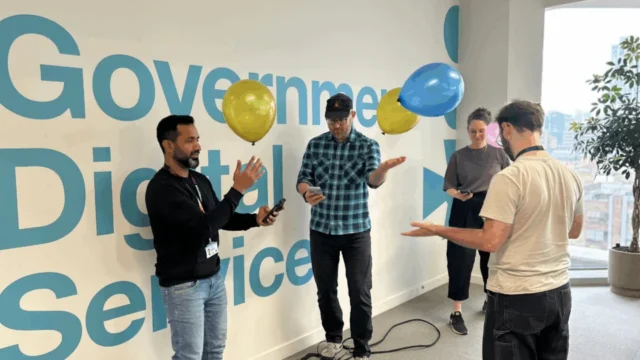
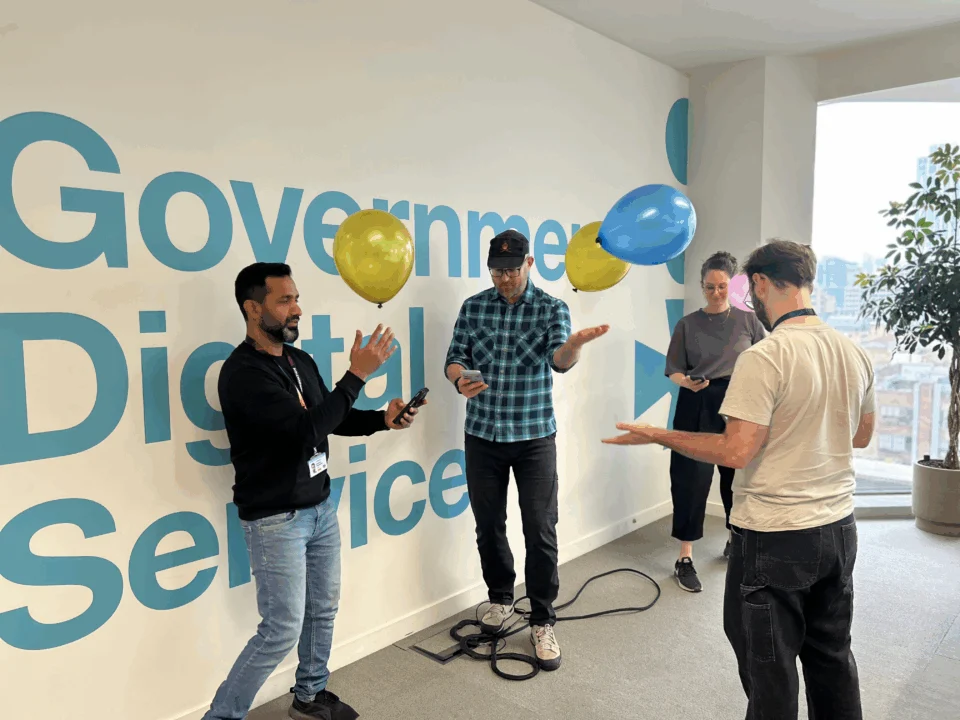
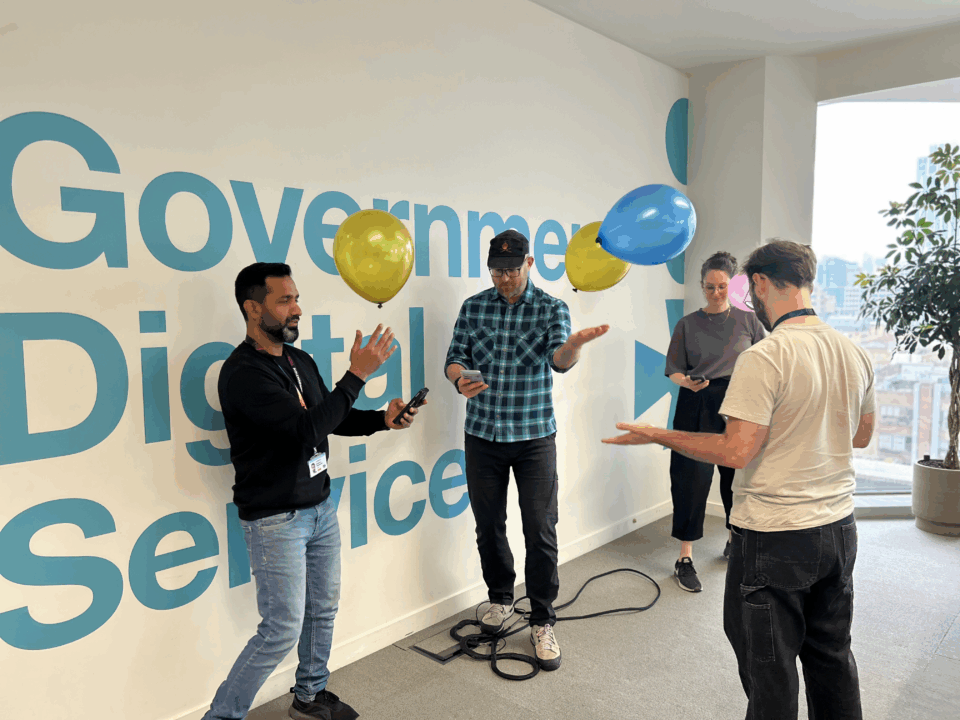
- Empathy and Simulation: Rik Williams notes that design teams can easily become "distant" from the reality of the user experience. To combat this, GDS utilizes simulations, such as vision-impairing glasses, motor-control limiting gloves, and a game called "empathy balloons." While Williams acknowledges that simulations have limitations and cannot replace direct testing with disabled users, they serve as powerful tools for uncovering flaws in information flow and task completion.
Data-Driven Insights and Economic Impact
The move toward accessible IA is supported by compelling data. According to the "Click-Away Pound" survey, a recurring study in the UK, approximately 71% of disabled web users will leave a website that they find difficult to use. This represents a significant loss in "purple pound" spending—the estimated £274 billion in spending power held by disabled people and their households in the UK.
Furthermore, research by the World Health Organization (WHO) indicates that over 1 billion people globally live with some form of disability. As the UK population ages, the prevalence of age-related impairments—such as reduced vision, hearing loss, and cognitive decline—is expected to rise. In this context, accessible information architecture is not just a legal requirement but a strategy for future-proofing public services against demographic shifts.
Common Pitfalls and the "Paradox of Choice"
Despite the best intentions, information architects often encounter recurring pitfalls that hinder accessibility. Sally Creasey identifies "organizational-centric design" as a primary error—structuring information based on internal department silos rather than user needs. This often leads to the use of jargon and the creation of overlapping sections that confuse the user.
Another significant issue is the "paradox of choice." When users are presented with too many similar options or complex navigation menus, the cognitive load increases. For individuals with ADHD, anxiety, or cognitive impairments, this can lead to "task paralysis." To avoid this, GDS architects utilize "controlled vocabularies" to ensure consistency in naming conventions and language, thereby reducing the mental effort required to decode a page.
Becky Ashley adds that "thinking you’re finished" is a major pitfall. IA is an iterative process. As user needs emerge and technology evolves, information flows must be constantly refined. The use of accessible metadata allows code and content to remain flexible, ensuring that the system can adapt to the changing requirements of the public.
Advanced Tools and Methodologies
To ensure that their designs are robust, GDS architects employ a variety of specialized tools and methodologies:
- Object-Oriented Design (OOD): Rik Williams highlights OOD as a method for creating information environments built around tangible "objects" rather than abstract concepts. This creates a more predictable structure that benefits screen reader users and allows for better personalization.
- Progressive Disclosure: This technique involves revealing information only as it is needed. By not overwhelming the user with data at the start of a journey, architects can help users maintain focus and process information in manageable "chunks."
- User Research Techniques: Methods such as "noun and verb foraging," card sorting, and tree testing are used to understand the language users naturally use. This research informs the taxonomy, ensuring that the government’s labels match the mental models of the citizens.
The Future of Inclusive Design: AI and Universal Access
Looking ahead, the GDS architects are exploring the intersection of IA and emerging technologies. The advancement of Artificial Intelligence (AI) offers new opportunities for accessibility. For instance, well-structured metadata can allow AI systems to serve highly relevant, tailored content to users via their preferred channels—whether through voice assistants, simplified text interfaces, or traditional web pages.
The ultimate goal, as cited by Becky Ashley, is "universality." Drawing on the philosophy of Web founder Tim Berners-Lee, the GDS team views the power of the web as residing in its ability to be accessed by everyone, regardless of their hardware, software, network infrastructure, native language, or ability.
Conclusion and Broader Implications
The insights shared by the GDS information architects underscore a vital truth in modern governance: accessibility is not an "add-on" feature but the very foundation of digital architecture. By focusing on the structural integrity of information—how it is defined, organized, and navigated—architects can remove the invisible barriers that prevent millions of citizens from participating fully in digital society.
As the "Unlocking Accessibility" series continues, it serves as a blueprint for both public and private sectors. The methodologies developed at GDS—from "empathy balloons" to Object-Oriented Design—provide a scalable framework for any organization looking to improve its digital inclusivity. In an era where digital access is synonymous with social inclusion, the work of information architects remains a critical front line in the defense of universal access.