The Strategic Planning and Preparation Phase
Effective accessibility begins long before the first attendee joins a digital meeting room. The planning and preparation phase is critical for identifying potential barriers and implementing solutions that cater to a diverse range of needs. A central tenet of the government’s recommendations is the proactive gathering of audience requirements. Organizers are encouraged to distribute pre-event surveys that specifically inquire about accessibility needs, such as the requirement for sign language interpreters, real-time captioning, or specific document formats. This data-driven approach allows for the allocation of resources where they are most needed, ensuring that accommodations are not an afterthought but a core component of the event’s design.
In addition to audience research, the structure of the event itself must be reconsidered. Traditional meeting formats often fail to account for the cognitive or physical fatigue experienced by participants with chronic health conditions or neurodivergent traits. The GDS advises the creation of accessible agendas that incorporate frequent, meaningful breaks. Experts suggest that a standard 10-minute break may be insufficient for some participants to rest or manage assistive equipment; therefore, flexibility in scheduling is paramount. Furthermore, the selection of the digital platform must be based on a rigorous evaluation of its built-in accessibility features. Not all webinar tools are created equal; organizers must verify that their chosen software supports screen readers, high-contrast modes, and keyboard-only navigation.
Technological Verification and Redundancy
A critical component of the preparation phase involves a comprehensive audit of all interactive features. Before going live, event hosts are urged to conduct "dry runs" to test the functionality of polls, chat boxes, and Q&A modules. This testing ensures that these features are fully navigable via keyboard, which is essential for individuals who cannot use a traditional mouse. The reliability of live captioning and the visibility of sign language interpreters within the platform’s layout must also be confirmed.
To ensure no participant is left behind due to technological barriers, the guidelines emphasize the importance of offering alternative dial-in options. Providing a traditional telephone number allows individuals without high-speed internet access or those experiencing computer hardware failures to participate in the audio portion of the event. This redundancy is not only an accessibility measure but also a risk management strategy that protects the event’s reach against local connectivity issues.
Communication and Promotional Standards
The promotion of an event is often the first point of contact between an organization and its audience. If promotional materials are inaccessible, potential participants may feel excluded before the event even begins. The GDS recommends that all promotional content—ranging from social media posts to email invitations—adhere to strict accessibility standards. This includes maintaining high color contrast ratios to assist those with visual impairments and using font sizes and styles that are legible for individuals with dyslexia or low vision.
Clear communication is equally vital. The use of plain English, the avoidance of unnecessary jargon, and the provision of detailed event descriptions help ensure that information is understandable to everyone, including non-native speakers and neurodivergent individuals. Organizers are also encouraged to provide information in multiple formats upon request, such as Braille, large print, or audio versions of the presentation materials. Sharing the agenda and any required resources well in advance allows participants to prepare their own assistive technologies and plan their schedules accordingly. If the event involves group work or interactive exercises, providing advanced notice is essential to allow participants to consider how they will engage with these segments.
Execution and Live Interaction Management
During the live event, the focus shifts to the real-time delivery of accessible content. One of the most effective tools for inclusion is live captioning. While automated speech-to-text technology has improved, professional human-led captioning remains the gold standard for accuracy, particularly for technical or specialized topics. Live captioning benefits a wide array of attendees, including those who are deaf or hard of hearing, individuals in noisy environments, and those for whom the presentation language is not their primary tongue.
For presenters, the physical environment is as important as the digital one. The GDS suggests that presenters ensure they have clear, direct lighting on their faces to facilitate lip-reading for those who rely on it. The use of a high-quality headset is also recommended to ensure that audio is crisp and free from background noise, which can be particularly distracting for individuals with auditory processing disorders. If sign language interpretation is provided, the interpreter must be clearly visible to the audience at all times, often requiring the "pinning" or "spotlighting" of their video feed within the platform.
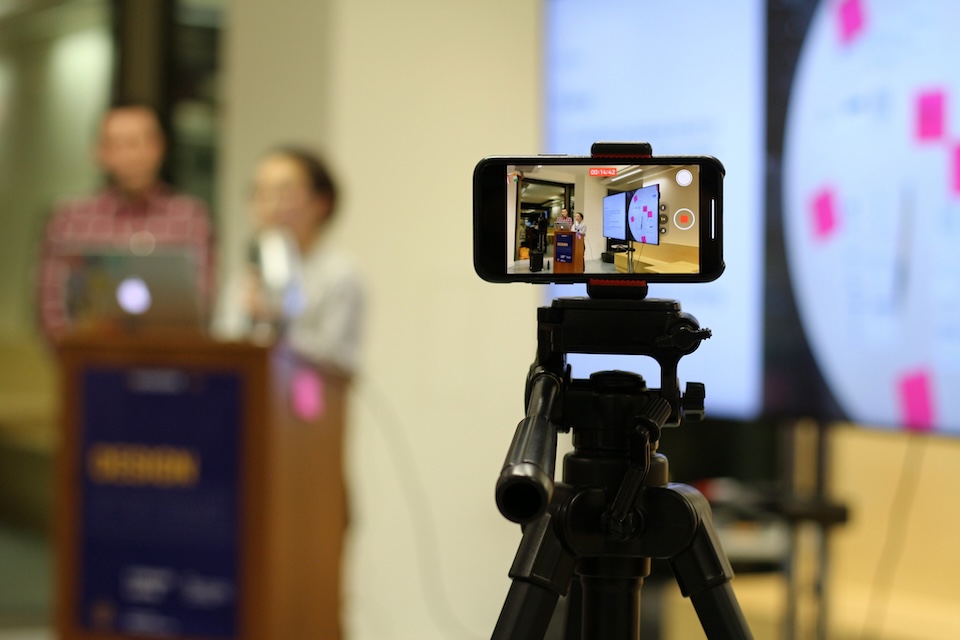
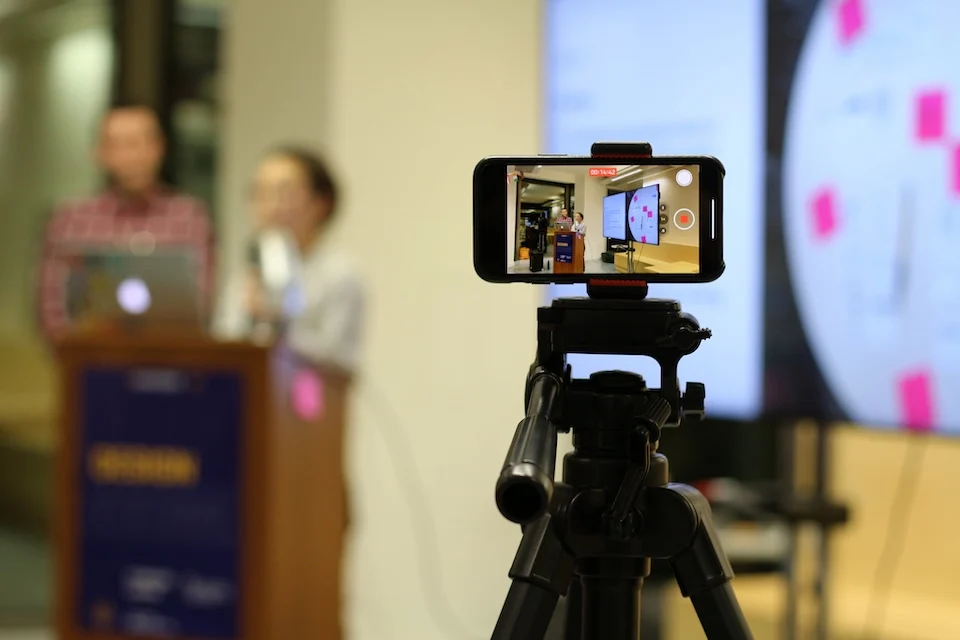
Monitoring feedback in real-time is another critical responsibility of the event host. Designating a specific team member to monitor the chat for accessibility-related issues allows for immediate intervention if a participant encounters a barrier. This responsive approach demonstrates a commitment to inclusion and ensures that technical glitches do not result in the total exclusion of any attendee.
Post-Event Evaluation and Long-Term Impact
The conclusion of the live session does not mark the end of the accessibility workflow. Following up with participants is essential for iterative improvement. Organizers should actively seek feedback on the event’s accessibility, specifically reaching out to those who requested accommodations to verify that their needs were met. This data is invaluable for refining future event strategies and identifying recurring pain points.
Moreover, the provision of post-event resources is a mandatory step in the inclusive event cycle. Recordings of the session, accompanied by full transcripts and accessible versions of the slide decks, ensure that the content remains available to those who could not attend live or those who need to review the material at a slower pace. Transcripts are particularly useful as they are easily searchable and can be utilized by screen readers more effectively than video content alone.
Analysis of Legal and Economic Implications
The push for digital accessibility is not merely a matter of social responsibility; it is increasingly a legal and economic necessity. In the United Kingdom, the Equality Act 2010 mandates that service providers make "reasonable adjustments" to ensure that disabled people are not at a substantial disadvantage. Failure to provide accessible digital events can lead to legal challenges and reputational damage. Furthermore, the Public Sector Bodies (Websites and Mobile Applications) (No. 2) Accessibility Regulations 2018 require public sector organizations to ensure their digital services, including webinars and online meetings, meet specific accessibility standards (WCAG 2.1).
From an economic perspective, the "Purple Pound"—the spending power of disabled people and their families—is estimated at £274 billion per year in the UK alone. Organizations that fail to prioritize accessibility are effectively locking out a significant segment of the market. By fostering an inclusive environment, businesses and government agencies can tap into a broader talent pool, engage a more diverse customer base, and drive innovation through the integration of varied perspectives.
Chronology of the Accessibility Movement
The focus on GAAD 2025 marks a significant point in a timeline that began in 2011 when Los Angeles-based web developer Joe Devon and accessibility professional Jennison Asuncion launched the first Global Accessibility Awareness Day. What started as a single blog post has grown into a worldwide movement supported by major tech giants and government institutions.
Over the last decade, the evolution of digital accessibility has transitioned from a niche technical requirement to a foundational element of user experience (UX) design. The COVID-19 pandemic acted as a major accelerant in this timeline, forcing a rapid shift to digital-first communication and exposing the vulnerabilities of inaccessible systems. As we move toward 2025, the integration of Artificial Intelligence (AI) in accessibility—such as real-time AI translation and automated alt-text generation—is expected to be a major theme of GAAD discussions.
Conclusion and Future Outlook
Hosting accessible meetings, events, and conferences is a fundamental component of a modern, equitable society. The guidelines issued by the Government Digital Service provide a roadmap for organizations to move beyond compliance and toward genuine inclusion. By implementing these best practices—rigorous planning, clear communication, inclusive execution, and thorough follow-up—event organizers can ensure that the digital world remains open to everyone.
As Global Accessibility Awareness Day 2025 approaches, the emphasis remains on the idea that accessibility benefits everyone. A captioned video helps the commuter on a noisy train; a well-structured agenda helps the busy executive; and clear, jargon-free language helps the entire audience. In the words of accessibility advocates, when we design for the margins, we better the experience for the center. The commitment to digital inclusion is an ongoing journey, and the upcoming GAAD serves as both a reminder of the progress made and a call to action for the work that remains to be done in creating a truly inclusive and equitable world.