The move toward more inclusive online environments is not merely a matter of social responsibility but a response to a growing demographic reality. With over 16 million people in the UK reported to have a disability—representing roughly 24% of the population—the demand for accessible digital content has never been higher. As organizations plan their GAAD 2025 programming, new guidelines and best practices are emerging to ensure that the "digital divide" does not exclude nearly a quarter of the potential audience from professional and social discourse.
The Strategic Framework of Digital Inclusion
The foundation of a truly inclusive event lies in the early stages of logistical planning. Accessibility cannot be "bolted on" as a final step; it must be baked into the event’s architecture. Experts suggest that the planning phase should begin with a comprehensive audit of the intended audience’s needs. This is typically achieved through pre-event surveys that allow registrants to disclose specific requirements, such as the need for British Sign Language (BSL) interpretation, live captioning, or materials compatible with screen-reading software.
A critical component of this preparation is the evaluation of the hosting platform itself. While major services like Microsoft Teams, Zoom, and Google Meet have significantly upgraded their accessibility suites over the last three years, discrepancies remain. Organizers are urged to verify that a platform supports high-contrast modes, keyboard-only navigation, and automated or manual captioning before committing to a service. Furthermore, the provision of alternative dial-in options remains a vital, if often overlooked, accessibility feature. For participants in rural areas with poor internet connectivity or those who rely on specialized telephonic assistive devices, a standard phone bridge can be the difference between participation and exclusion.
Chronology of an Accessible Event: From Concept to Completion
The lifecycle of an inclusive event follows a rigorous timeline that begins weeks before the actual start date.
Phase 1: Pre-Event Communication and Resource Development
The first touchpoint for any participant is the promotional material. Journalistic analysis of recent government communications suggests a shift toward "Plain English" standards, which avoid jargon and complex sentence structures that can hinder comprehension for neurodivergent individuals or non-native speakers. All digital brochures and registration forms must adhere to the Web Content Accessibility Guidelines (WCAG) 2.2 standards, ensuring that color contrast ratios are sufficient and that all images include descriptive alternative (ALT) text.
Agendas are also being reimagined. The traditional 90-minute "sprint" is being replaced by modular sessions with frequent, meaningful breaks. For many participants, particularly those with chronic fatigue or certain cognitive disabilities, a 10-minute break is insufficient for physical or mental recovery. Current best practices recommend 15-to-20-minute intervals for every hour of content.
Phase 2: The Live Execution and Real-Time Support
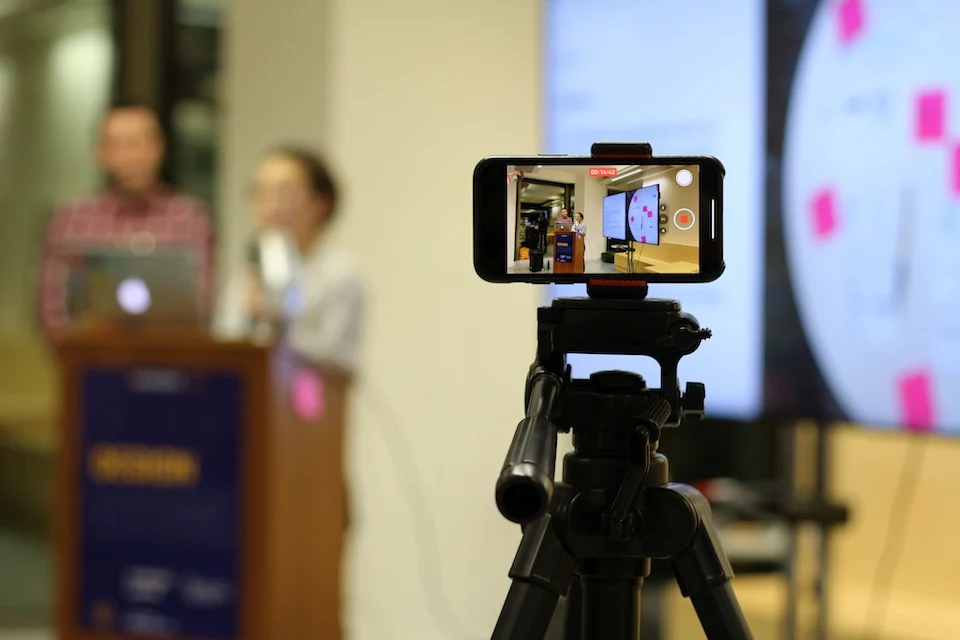
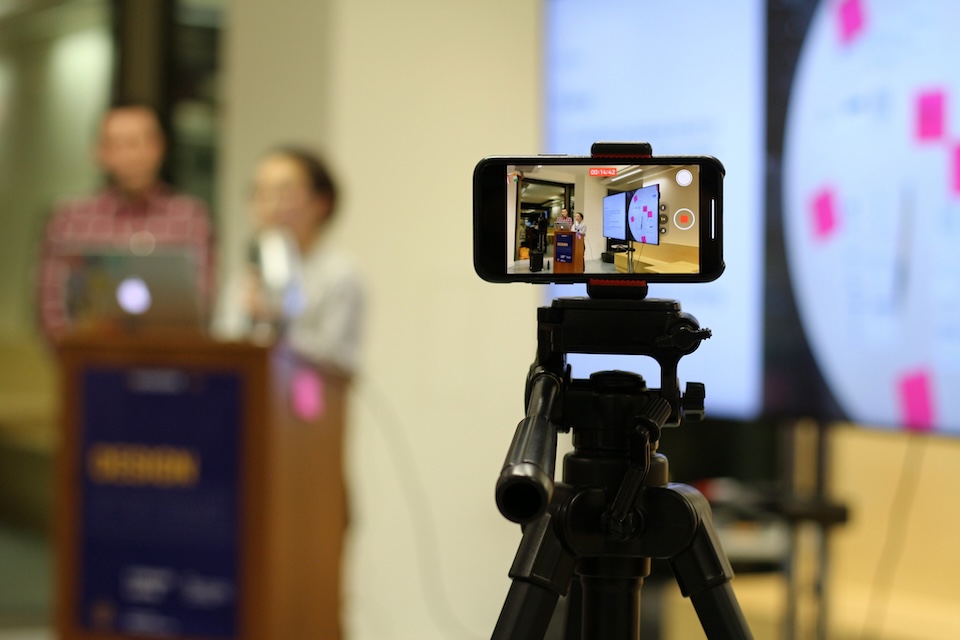
On the day of the event, the technical setup becomes the priority. Presenters are now expected to follow a "broadcast-ready" protocol: clear, front-facing lighting to facilitate lip-reading and high-quality external microphones to ensure that audio-to-text transcription software operates with maximum accuracy.
During the session, the role of the moderator has expanded to include "accessibility monitoring." This involves tracking the chat for reports of technical barriers and ensuring that all speakers identify themselves before talking, which provides essential context for blind or low-vision attendees using screen readers.
Phase 3: Post-Event Retention and Feedback
The conclusion of the live stream does not mark the end of the event’s responsibilities. The "afterlife" of the content is where much of the accessibility value is realized. Industry data shows that up to 40% of registered attendees for online webinars watch the recording rather than the live broadcast. Providing a clean, edited transcript and a video recording with permanent (burned-in) captions is now considered the minimum standard for professional organizations.
Data-Driven Justification for Accessibility Standards
The push for accessibility is supported by compelling data regarding the "Curb-Cut Effect"—a phenomenon where features designed for people with disabilities end up benefiting a much larger segment of the population. For instance, studies have shown that 80% of people who use closed captions do not have a hearing impairment; they use them for better comprehension in noisy environments, to assist with language learning, or to maintain focus.
In the corporate sector, the economic implications are equally significant. The "Purple Pound"—the spending power of disabled people and their families—is estimated at £274 billion per year in the UK alone. Organizations that fail to host accessible events risk alienating this massive demographic, leading to lost revenue and potential legal challenges under the Equality Act 2010. For public sector bodies, the stakes are even higher, as they are legally mandated to meet the Public Sector Bodies (Websites and Mobile Applications) Accessibility Regulations, which require digital services to be perceivable, operable, understandable, and robust.
Reactions from the Accessibility Community
Advocates have largely welcomed the GDS’s latest push for higher standards. "Accessibility is not a checklist; it is a culture," says one digital inclusion consultant. "When a government body or a major corporation hosts an event that is fully navigable by a keyboard or provides high-quality sign language interpretation, it sends a message that every citizen’s participation is valued equally."
However, some critics point out that "automated" solutions, such as AI-generated captions, are still prone to errors that can distort the meaning of a presentation. The consensus among experts is that while AI is a helpful tool, human-led verification and professional BSL interpreters remain the gold standard for high-stakes events. There is also a growing call for "inclusive design" where disabled people are involved in the planning stages of the event, rather than just being the recipients of accommodations.
Broader Impact and Future Implications
The long-term impact of these accessibility initiatives extends far beyond a single day in May. By normalizing the use of live captions, structured agendas, and multi-format materials, organizations are fostering an environment of "universal design." This approach simplifies the user experience for everyone, including aging populations who may experience gradual declines in vision or hearing, and individuals with temporary disabilities, such as a broken arm or a lost pair of glasses.
Looking toward 2025 and beyond, the integration of Assistive Technology (AT) with Artificial Intelligence is expected to further revolutionize online events. We are likely to see real-time translation of sign language into spoken word and vice versa, as well as more sophisticated "auto-summarization" tools that help neurodivergent participants digest long presentations.
The UK Government’s emphasis on these "Top Tips" serves as a roadmap for both the public and private sectors. As digital transformation continues to accelerate, the ability to host an inclusive online event will likely become a key performance indicator for organizational leadership. The ultimate goal is a digital landscape where "accessibility" is no longer a special requirement, but a fundamental, invisible standard of all human communication.
In conclusion, as Global Accessibility Awareness Day 2025 approaches, the message to event organizers is clear: inclusivity is a prerequisite for excellence. By planning with empathy, communicating with clarity, and executing with the right technical tools, hosts can ensure that their message reaches the widest possible audience, reinforcing the principle that in a truly connected world, no one should be left behind.