The Evolution of Core Vocabulary Instruction
The concept of core vocabulary—the small set of high-frequency words that account for approximately 80% of what is said by typical communicators—has become the gold standard in AAC intervention. By focusing on words like "go," "stop," "more," and "help," practitioners can provide students with the linguistic building blocks necessary for versatile communication across various contexts.
The initiative began as a grassroots effort to combat the fragmentation often seen in AAC intervention. Early iterations, introduced several years ago, focused on a foundational list of core words meant to be targeted monthly. As the project gained momentum, it expanded to include a second, more expansive set of words, ensuring that learners had the opportunity to progress beyond basic needs and into complex social and academic language.

The timeline of these resources reflects the growing sophistication of the AAC field:
- The Foundational Years: Initial development of the Year of Core Vocabulary series established the model of monthly focus words.
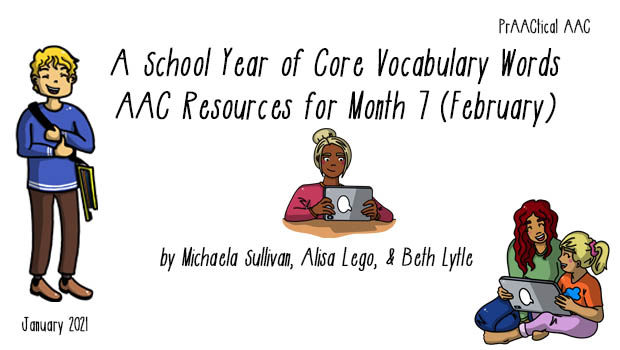
- 2020: The introduction of The School Year of Core Vocabulary Words provided a more structured, school-based approach, authored by specialists Michaela Sullivan, Alisa Lego, and Beth Lytle.
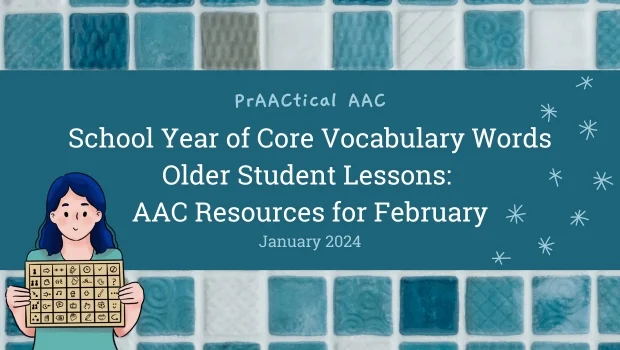
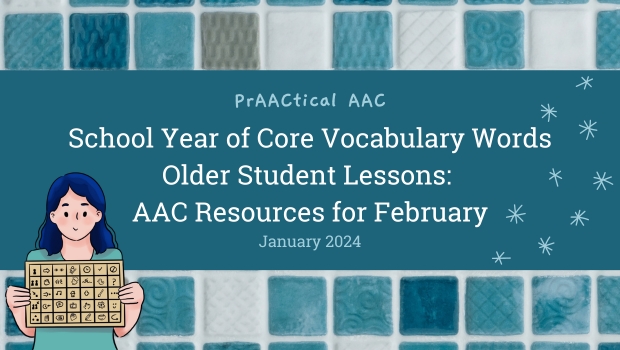
- 2023–2024: Recognizing that the needs of older students differ significantly from those of preschoolers, the initiative launched a specialized series for middle and high schoolers, contributed by Michaela Sullivan and Lindsay Dougherty.
Bridging the Gap Between Therapy and Classroom Practice
One of the primary challenges in AAC intervention is the "generalization gap"—the struggle to ensure that communication skills learned in a therapy setting are applied consistently in the classroom and at home. The resources provided for February address this by offering actionable, classroom-ready activities.
The contribution of AAC Speech-Language Pathologist (SLP) and co-founder of Talking AAC, Rachael Langley, was particularly pivotal in this regard. Her development of activity calendars transformed theoretical word lists into daily engagement opportunities. By mapping specific words to routines and curriculum-based tasks, these calendars allow educators to integrate AAC instruction into the natural rhythm of the school day.
This approach aligns with current pedagogical research, which suggests that "embedded instruction"—teaching skills within the context of meaningful activities—is significantly more effective than isolated drill-based instruction for students with complex communication needs.
Data-Driven Approaches to Language Acquisition
Supporting the need for these resources is a significant body of clinical evidence. Research indicates that students who receive consistent modeling of core vocabulary—often referred to as "aided language stimulation"—demonstrate higher rates of expressive language growth.
According to data tracked by providers using these materials, consistent, long-term exposure to core vocabulary lists has been linked to increased mean length of utterance (MLU) and a greater variety of communicative functions, such as requesting, protesting, commenting, and questioning. By utilizing the February resources, educators can ensure that they are not only providing exposure but also tracking progress systematically.
The inclusion of resources for older students is a particularly vital development. Historically, the AAC field has been criticized for "pediatric-bias," where materials for teenagers and young adults were often too simplistic or childish. The 2023–2024 series specifically targeted age-appropriate themes, ensuring that dignity and social relevance are maintained for older learners who are still developing foundational language skills.
Expert Perspectives on Implementation
The success of the Year of Core Vocabulary program is largely attributed to its collaborative nature. By bringing together diverse contributors—including SLPs, classroom teachers, and special education consultants—the project has maintained a high degree of clinical validity.
"The goal is to lower the cognitive load on the teacher while increasing the language output of the student," notes one contributor involved in the project’s later stages. By providing pre-made, high-quality materials, the program removes the significant barrier of time-intensive lesson planning. For many educators, the biggest hurdle to effective AAC instruction is not a lack of training, but a lack of time. These resources effectively serve as a turn-key solution for busy school environments.
The Broader Impact on Inclusive Education
The implementation of these core vocabulary frameworks has profound implications for inclusive education. When students who use AAC have access to the same language targets as their peers, they are better positioned to participate in classroom discussions, peer-to-peer social interactions, and academic assessments.
Furthermore, the widespread adoption of these monthly resources has fostered a sense of community among practitioners. Through the sharing of these materials, an informal network has emerged where educators share modifications, data, and anecdotal successes. This professional learning community has played a crucial role in disseminating best practices, effectively creating a standardized "curriculum" for AAC where none previously existed.
Implications for Future AAC Instruction
Looking ahead, the focus on core vocabulary is expected to evolve alongside advancements in digital accessibility. As AAC devices become more robust and integrated into mainstream educational technology, the need for these resources will only grow. The February archives serve as a repository of expertise, but they also highlight the necessity for continuous updates.
The challenge for the coming years will be the integration of these linguistic frameworks with emerging AI tools that assist in text-to-speech and predictive typing. However, as experts emphasize, technology is merely a vehicle; the effectiveness of AAC remains rooted in the quality of the language interaction between the student and their environment.
For practitioners looking to utilize the February materials, the focus remains on three key principles:
- Modeling: The adult must use the AAC device to speak the core words while interacting with the student.
- Consistency: Targeting a small set of words over a month allows for deep repetition and mastery.
- Contextualization: Embedding the words into age-appropriate activities ensures that the communication is functional and meaningful.
As the current academic year continues, these resources offer a roadmap for sustained engagement. By revisiting the work of contributors like Sullivan, Lego, Lytle, and Dougherty, the educational community is provided with a stable foundation for language instruction that is both inclusive and evidence-based. For educators and families, the message is clear: when language instruction is consistent, accessible, and prioritized, the potential for student growth is limitless. Whether in a preschool classroom or a high school resource room, the structured approach to core vocabulary remains the most effective tool for unlocking the communication potential of students worldwide.