A Medical Crisis and a Pioneering Intervention
The narrative of Jordan Buckingham’s life began with a significant medical challenge. At 22 months of age, she contracted pneumococcal meningitis, a severe bacterial infection that often carries a high risk of permanent neurological or sensory damage. In the wake of this illness, Buckingham experienced profound sensorineural hearing loss. In the mid-1990s, the landscape for pediatric hearing loss was markedly different than it is today, with fewer established protocols for long-term rehabilitation and linguistic development.
In 1995, at a time when cochlear implant technology was still in its nascent stages of widespread pediatric adoption, Buckingham became the first child at Seattle Children’s Hospital to receive a cochlear implant. This medical milestone was a critical turning point. The cochlear implant, a surgically implanted neuroprosthetic device, provided the electrical stimulation necessary for the auditory nerve to bypass damaged hair cells in the cochlea. This procedure was not merely a clinical success; it was the foundational element that allowed Buckingham to access the auditory world. She would later undergo a second implantation, enabling binaural hearing—a key factor in sound localization and speech comprehension in noisy environments.
The Foundation of Early Education: The Role of Listen and Talk
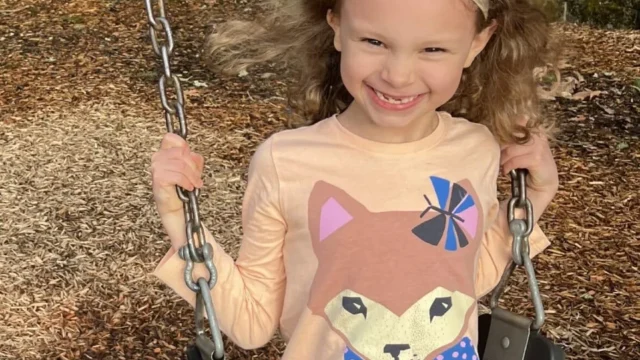
Following her initial surgery, the focus shifted to linguistic and cognitive habilitation. In 1996, Buckingham’s family sought out the expertise of Listen and Talk, a Seattle-based organization dedicated to supporting children with hearing loss through the development of listening and spoken language skills. As one of the program’s first pre-K students, Buckingham worked closely with founder Star Leonard-Fleckman and a specialized team of educators.
The pedagogical approach at Listen and Talk emphasizes the "listening-first" philosophy. This methodology is grounded in the principle that if children are provided with early, consistent access to sound through technology, they can learn to interpret auditory signals as speech. By integrating the child into a mainstream environment and focusing on naturalistic interaction, the program aims to close the "language gap" that often occurs when children with hearing loss are not provided with early intervention. For Buckingham, this period of intensive focus on auditory training was the bedrock of her subsequent academic and professional confidence.
Chronology of Achievement
Buckingham’s timeline reflects a steady progression of overcoming limitations through education and perseverance:
- 1994: Born to a family that would later provide the essential support system for her medical and educational needs.
- 1995: Diagnosed with profound hearing loss following a bout of pneumococcal meningitis; receives a cochlear implant at Seattle Children’s Hospital, becoming a regional pioneer in the procedure.
- 1996: Enrolls at Listen and Talk, participating as one of the organization’s inaugural pre-K students.
- 1995–2010: Engages in rigorous academic training, transitioning from early intervention services to traditional schooling, eventually attending Charles Wright Academy.
- 2014: Graduates from Stetson University with a Bachelor’s degree in Family Business and a minor in Management.
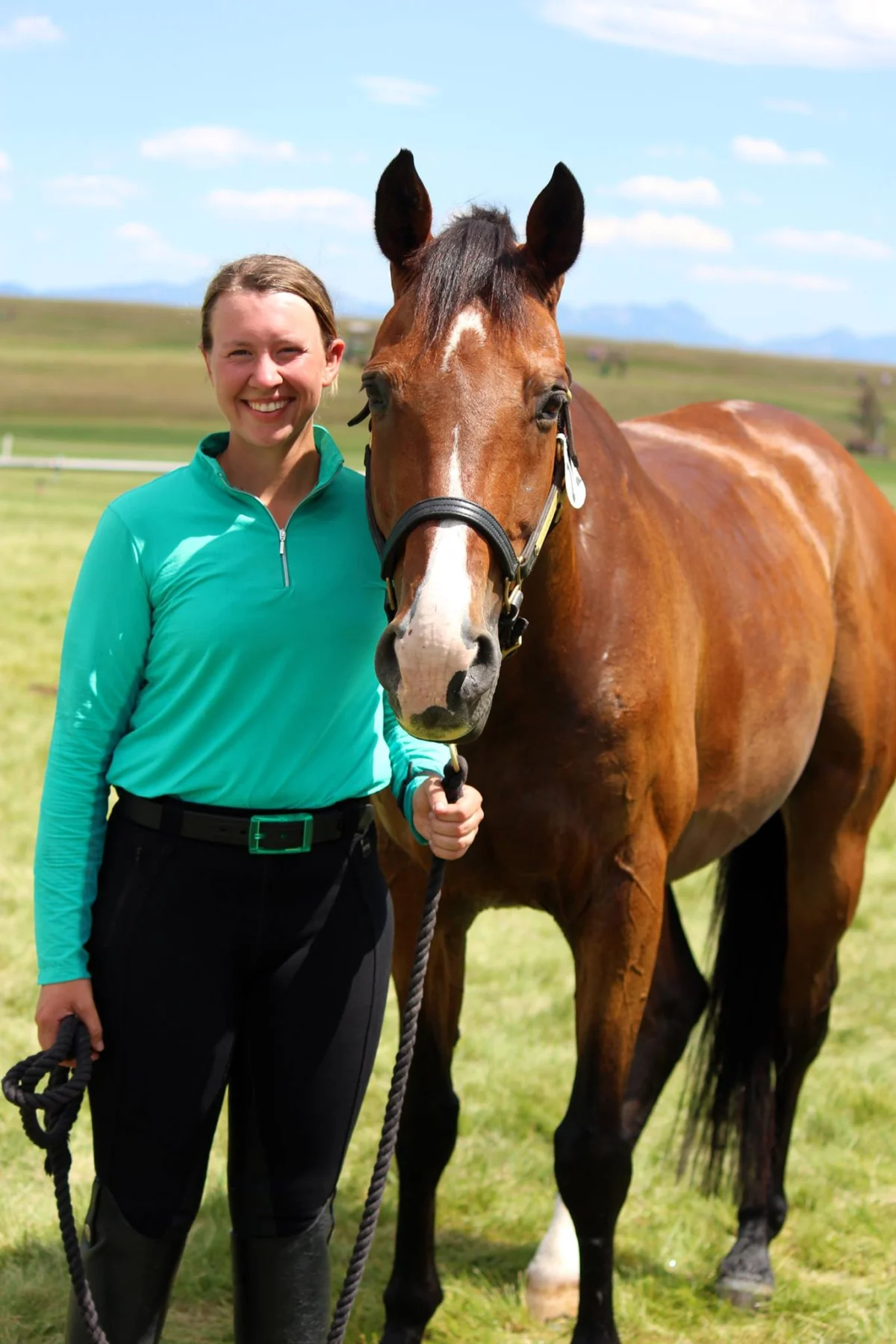
- 2015–Present: Establishes a career in the equestrian industry, currently operating as an assistant horse trainer in Middleton, Idaho.
Data-Driven Success in LSL Development
The success of individuals like Buckingham is supported by broader industry data regarding the importance of the "critical period" in neurodevelopment. According to the Alexander Graham Bell Association for the Deaf and Hard of Hearing, children who receive cochlear implants and engage in LSL therapy before the age of three are significantly more likely to achieve language scores equivalent to their hearing peers by the time they reach school age.
The data suggests that the brain’s plasticity is at its peak in the first few years of life. When that window is utilized for intensive auditory stimulation, the neural pathways associated with language processing are more effectively developed. Buckingham’s graduation from a four-year university and her subsequent professional independence serve as anecdotal verification of these longitudinal studies. By maintaining her equipment through partnerships with organizations like the University of Washington Medical Center and adhering to consistent therapy models, she has optimized her "listening experience" into adulthood.
Professional Integration and Advocacy
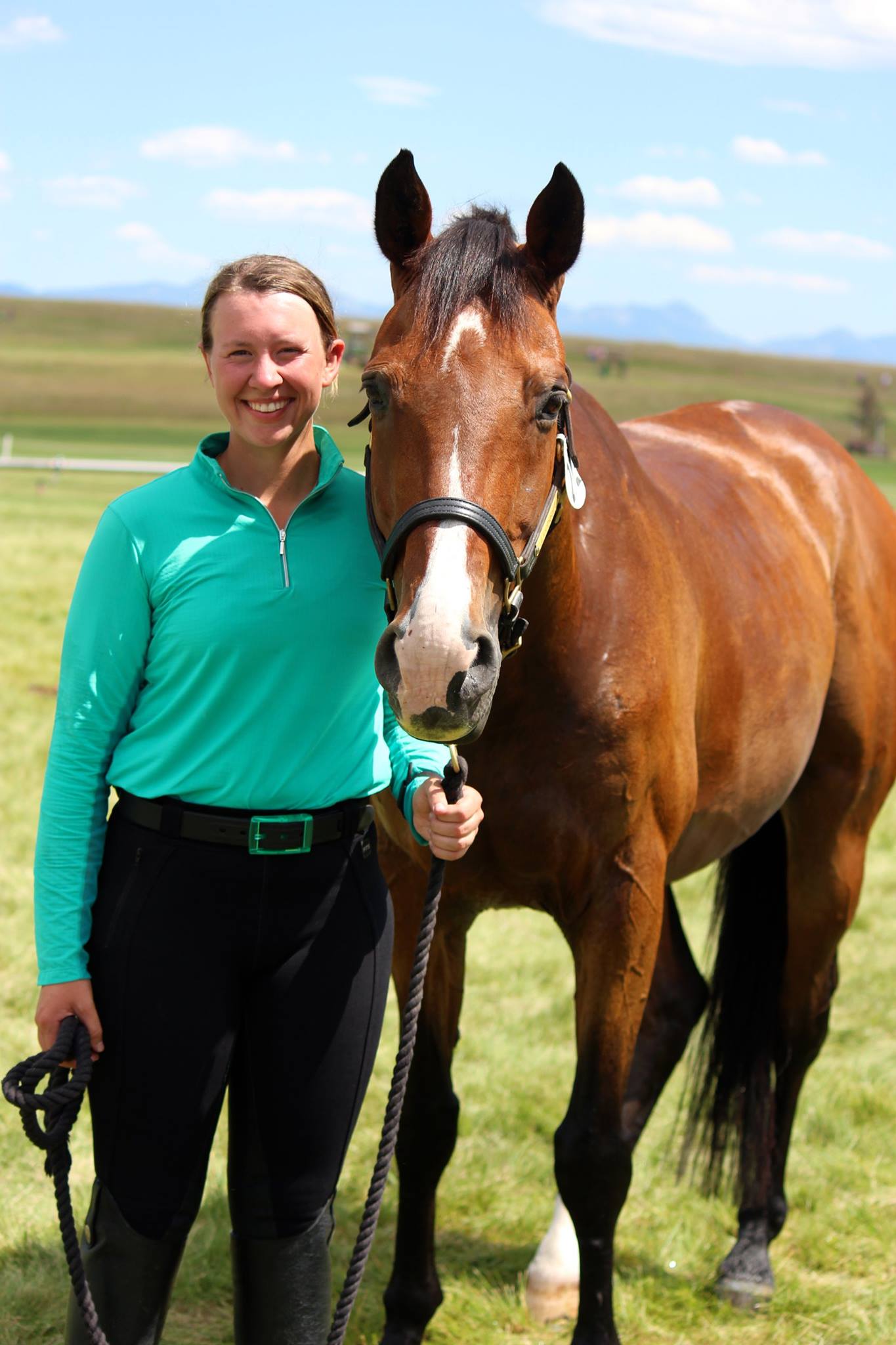
Today, Buckingham’s professional life as an assistant horse trainer in Middleton, Idaho, serves as a testament to her ability to navigate complex, non-clinical environments. The equestrian world requires sharp communication skills, environmental awareness, and the ability to process nuanced auditory cues—all areas where her early training has provided a competitive advantage.
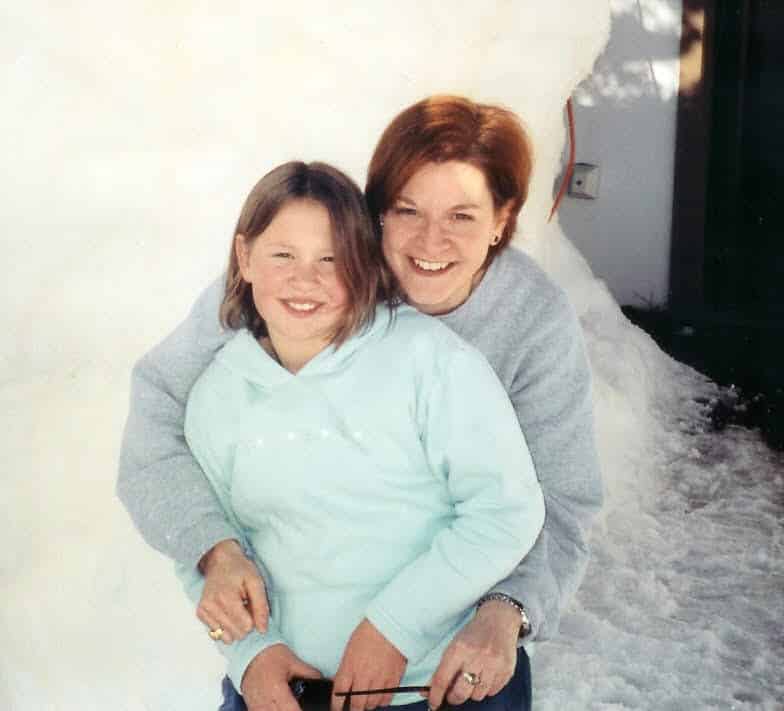
Beyond her professional duties, Buckingham has become a vocal advocate for the families currently navigating the diagnostic journey. Her message is characterized by a call for patience, the establishment of a robust support network, and the understanding that "hard work" is the primary engine of success. By sharing her story, she provides a roadmap for parents who may be overwhelmed by the initial diagnosis of hearing loss, emphasizing that with the right tools, the diagnosis does not dictate the limits of a child’s future.
Broader Implications for Early Intervention Programs
The impact of Listen and Talk, as exemplified by alumni such as Buckingham, extends beyond the individual. Organizations that provide early intervention services act as vital components of public health infrastructure. By facilitating the development of spoken language in children with hearing loss, these programs reduce the long-term societal costs associated with special education services and potential unemployment for individuals with disabilities.
Furthermore, the "Alumni Family Giving Campaign" represents a growing trend in non-profit sustainability: the "pay-it-forward" model. As children who benefited from early intervention grow into tax-paying, contributing members of society, their return to the organization as donors creates a virtuous cycle of support. This campaign serves to fund essential services—such as audiology testing and parent education—that remain prohibitively expensive for many families.
Conclusion: A Vision Without Limits
The narrative of Jordan Buckingham is, at its core, a success story about the convergence of medical technology and human potential. Her journey reflects a broader shift in clinical practice: moving from a focus on "managing disability" to "enabling ability." The mission statement of Listen and Talk—a world where no child is limited by hearing loss—is realized through the daily lives of people like Buckingham.
As society continues to evolve its understanding of accessibility and neurodiversity, the lessons from the Listen and Talk model remain highly relevant. The emphasis on early diagnosis, high-quality audiological care, and, most importantly, the empowerment of families, continues to set the standard for pediatric care. For new families beginning the process, the trajectory of Jordan Buckingham offers not only hope but a factual basis for the belief that, with the right resources, a full and limitless life is a standard, not an exception.