Data gathered from more than 300 industry professionals during the National Fire Protection Association (NFPA) Conference & Expo, held this past June, provides a quantitative snapshot of this transition. According to the survey, 88% of respondents have experienced a measurable increase in work demand over the last three years. This surge is largely attributed to the expansion of AI-driven infrastructure; 36% of those surveyed identified specific projects—such as the construction of massive data centers and the subsequent need for major electrical power upgrades—as primary drivers of their current workload.
The Evolution of the Industrial Workspace
The adoption of technology in the trades has accelerated significantly over the last half-decade. For many decades, the core of trade work—electrical, plumbing, HVAC, and mechanical inspection—was defined by traditional, non-digital methodologies. However, the current labor environment has forced a departure from these legacy practices. Approximately 87% of trade professionals surveyed now report that technological integration has significantly eased their daily tasks, a sentiment that suggests a pivot toward efficiency in the face of labor scarcity.

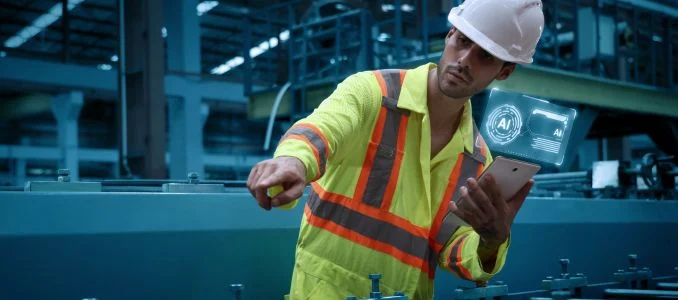
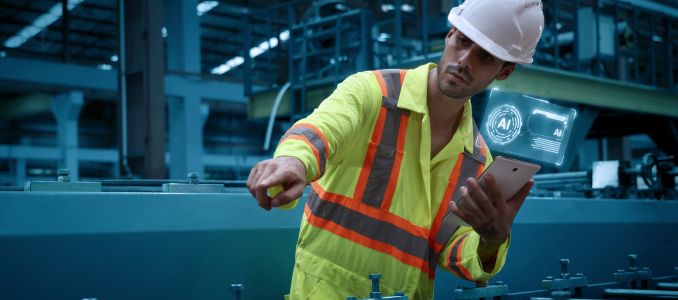
The reliance on these tools is becoming granular. When asked to identify the technologies with the most transformative impact, 39% of professionals pointed directly to AI and automation, while 36% highlighted the utility of specialized digital platforms and software. These tools are being used to automate complex inspections, optimize power grid distributions, and monitor mechanical wear and tear through predictive analytics. Augmented reality (AR) tools, in particular, are allowing field workers to overlay digital schematics onto physical machinery, reducing the margin for error and speeding up complex repair cycles.
A Chronology of Industry Transformation
The current surge in technological adoption can be traced back to a series of compounding factors that began in the early 2020s.

In 2021, the post-pandemic economic recovery triggered a massive bottleneck in supply chains and a simultaneous uptick in capital expenditure for infrastructure. By 2022, the "Great Reshuffle" had left many traditional industrial firms with significant vacancies in their technician rosters, forcing companies to do more with fewer people.
The year 2023 served as a tipping point for generative AI. As large language models and predictive algorithms became more accessible, the trades began to experiment with these tools for administrative and diagnostic purposes. By June 2024, at the NFPA conference, the conversation had shifted from "if" AI should be used to "how" it can be scaled. The survey conducted during this period serves as the baseline for the current state of industry adoption, reflecting a workforce that is rapidly professionalizing its digital skillset.

The Imperative of Continuous Education
The rapid integration of AI and digital platforms has created a critical demand for ongoing education. The traditional model of trade schooling, which often concluded after an apprenticeship, is being replaced by a lifelong learning paradigm. Survey data indicates that 94% of skilled professionals now participate in at least one formal training or professional development program every year. Perhaps more tellingly, 37% of the workforce is engaged in training sessions on a monthly basis to keep pace with evolving industry codes and software updates.
This educational surge is not strictly limited to technical training. There is a renewed emphasis on professional membership organizations. When asked about the benefits of joining such groups, 65% of respondents cited collaboration with peers as the primary advantage. This peer-to-peer knowledge sharing is essential, as the industry lacks a centralized repository for how to integrate specific AI tools into, for example, high-voltage electrical panel maintenance or complex industrial fire suppression systems. Furthermore, 57% of professionals seek these organizations for continuing education, while 38% value them for technical support regarding industry standards and regulatory compliance.

Analysis of Implications: The Digital-Manual Hybrid
The implications of this shift are far-reaching. Economists and industry analysts observe that the "digitalization of the trades" may be the only viable solution to the nation’s long-term skilled labor deficit. As the "silver tsunami"—the retirement of baby boomer tradespeople—continues to shrink the available talent pool, the productivity gains offered by AI are critical.
However, this transition is not without challenges. The reliance on digital platforms requires a level of technological infrastructure that many small-to-mid-sized trade businesses lack. There is a potential risk of a "digital divide" within the industry, where firms that can afford the latest AI diagnostic tools and training programs pull ahead, while smaller, legacy-focused firms struggle to compete.

Furthermore, the integration of AI into safety-critical trades, such as fire safety and electrical installation, necessitates a new regulatory framework. Industry leaders are currently debating how to balance the speed offered by AI with the stringent safety protocols mandated by organizations like the NFPA. If an AI tool suggests a modification to a power grid, that suggestion must still meet rigorous, human-verified safety codes. The current trend suggests that AI will function as a "co-pilot" rather than a replacement, augmenting human expertise rather than substituting for it.
Official Industry Stance and Future Outlook
While there has been no single, monolithic industry declaration on the adoption of AI, the consensus among professional associations is clear: adaptability is the new hallmark of the successful tradesperson. Professional bodies are increasingly incorporating digital literacy into their certification tracks.

The move toward AI is also being encouraged by the need for enhanced safety. Automation allows for the remote inspection of hazardous machinery, effectively removing humans from high-risk environments. As these technologies mature, the industry expects to see a decline in workplace injuries and a simultaneous increase in operational uptime for critical infrastructure.
As the industry looks toward the remainder of the decade, the focus will likely remain on integrating these digital tools into the fabric of daily work. The data from the NFPA conference suggests that the current trajectory is sustainable, provided that the focus on education remains robust. The challenge for the next five years will be ensuring that the workforce is not just using these tools, but understanding the underlying logic to troubleshoot when systems inevitably encounter real-world complexity.

Conclusion
The narrative of the American tradesperson is being rewritten. Far from being a sector resistant to change, the skilled trades are proving to be a fertile ground for the application of high-level technology. By leveraging AI to solve the dual challenges of labor shortages and rising demand, trade professionals are securing their role as the backbone of the modern economy.
As they navigate this transition, the emphasis on peer collaboration, continuous education, and the strategic use of digital tools will be the defining factors of success. The transformation of the industrial workspace is well underway, signaling a future where the distinction between "blue-collar" and "tech-sector" labor becomes increasingly blurred, to the benefit of safety, productivity, and infrastructure stability.