The Legislative Path and Strategic Objectives
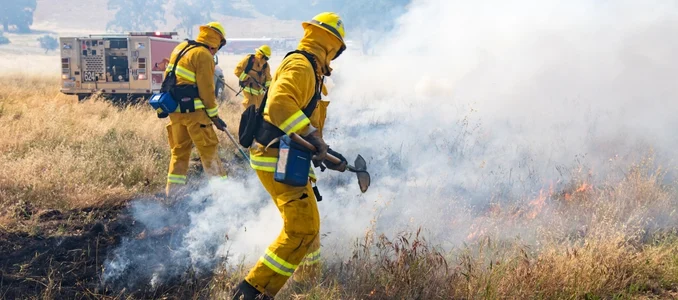
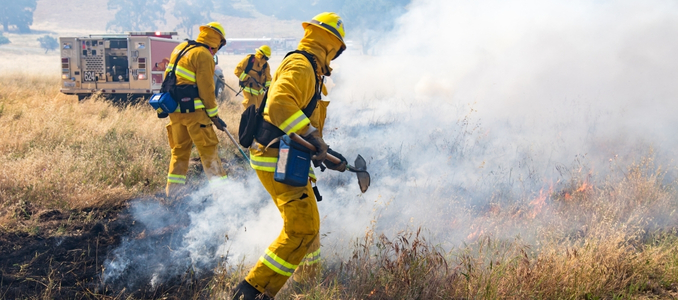
The inclusion of the Healthy Lungs for Heroes Act within the broader framework of the 2026 Farm Bill signifies a shift in how federal lawmakers view the long-term health risks associated with wildland firefighting. For decades, the arduous nature of the job—characterized by grueling shifts, extreme physical exertion, and constant exposure to fine particulate matter (PM2.5), carbon monoxide, and various toxic combustion byproducts—has been treated as an inherent, if hazardous, reality of the profession.
Under the proposed provisions, the USFS and DOI are directed to move beyond advisory guidelines and toward a structured strategy for the procurement and implementation of commercial respiratory protection. Crucially, the mandate requires that any equipment approved for use must be rigorously tested to account for the unique operational demands of wildland firefighting, such as high-intensity aerobic activity, the need for peripheral visibility, and the necessity of maintaining communication in rugged, often remote terrain.
Historical Context and Shifting Agency Guidance
The urgency behind this legislation is grounded in a timeline of mounting medical evidence and internal policy shifts. For years, federal wildland firefighters operated under a strict prohibition against the use of respirators during active, high-intensity firefighting. The rationale provided by agencies was twofold: the physical resistance offered by standard N95 or P100 masks could exacerbate heat stress, and the bulk of traditional protective gear could impede the mobility required for rapid movement in mountainous or forested environments.
However, the landscape of fire management has evolved significantly. In September 2025, the U.S. Forest Service issued updated guidance that served as a turning point in this policy. While the agency maintained the ban on respirator use during the most strenuous, "arduous" firefighting tasks, it finally acknowledged the efficacy of respiratory protection for "light-duty" tasks, such as mop-up operations or camp maintenance. This admission represented the first time federal leadership conceded that current protective standards were insufficient to mitigate the risks posed by long-term smoke inhalation. The Healthy Lungs for Heroes Act effectively builds upon this admission, pushing for a comprehensive solution that covers the entire spectrum of fireline work.

The Science of Respiratory Risk
The move toward mandatory standards is supported by a growing body of longitudinal research into the health outcomes of professional wildland firefighters. According to studies conducted by NIOSH and academic medical institutions, wildland firefighters are exposed to concentrations of PM2.5 that frequently exceed the National Ambient Air Quality Standards by orders of magnitude.
Data suggest that these workers face elevated risks of respiratory conditions, including chronic bronchitis, decreased lung function, and increased susceptibility to cardiovascular events. Unlike their structural firefighting counterparts, who utilize self-contained breathing apparatus (SCBA) due to the presence of synthetic chemical toxins in building materials, wildland firefighters have historically relied on nothing more than their own lung capacity to filter out the soot, ash, and volatile organic compounds (VOCs) generated by forest fires.
Medical experts and occupational health advocates have long argued that as wildfire seasons grow longer and more intense due to climate-driven drought conditions, the cumulative dosage of smoke exposure has reached a threshold that necessitates intervention. The requirement for NIOSH-backed studies ensures that any future respiratory equipment will be subjected to the "Gold Standard" of ergonomic and protective testing, ensuring that safety does not come at the expense of operational functionality.

Stakeholder Perspectives and Regulatory Coordination
The involvement of the National Wildfire Coordinating Group (NWCG) in the legislation’s implementation strategy is critical. The NWCG, which serves as the interagency body responsible for setting standards for wildfire operations across federal and state levels, will play a central role in translating the legislative intent into field-ready protocols.
While the Senate Agriculture Committee’s advancement of the bill has been met with broad support from labor unions representing federal firefighters, some logistical challenges remain. Implementing a standardized respirator program across thousands of personnel requires not only the acquisition of equipment but also comprehensive fit-testing programs, specialized training, and a robust supply chain to ensure that equipment is available in remote incident base camps.
Industry observers note that the success of this legislation will hinge on the agility of the procurement process. Past attempts to introduce respiratory protection into the wildland environment have often stalled due to the inability to balance the "protection factor" of a mask with the physiological cost of breathing through a filter during heavy exertion. By mandating collaboration with OSHA, the bill ensures that the resulting standards will be grounded in industrial hygiene principles that prioritize the worker’s physiological limitations.

Implications for Future Fire Management
The long-term implications of this legislation extend far beyond the immediate provision of masks. If enacted, it will likely serve as a catalyst for a broader modernization of personal protective equipment (PPE) in the forestry sector. Historically, PPE for wildland firefighters has evolved slowly, prioritizing fire-resistant textiles over respiratory health.
Furthermore, the mandate could have a ripple effect on recruitment and retention. Federal wildland firefighters have increasingly cited health concerns and stagnant compensation as primary reasons for leaving the service. By codifying a commitment to long-term respiratory health, the federal government may be better positioned to retain experienced personnel who are currently concerned about the potential for life-altering occupational diseases.
From an administrative standpoint, the legislation also signals a transition toward a more data-driven approach to safety. By requiring the USFS and DOI to work with NIOSH on exposure limits, the bill forces these agencies to implement systematic air quality monitoring during fire operations. This shift will likely lead to a more nuanced understanding of "safe" exposure thresholds, which could change how incident commanders deploy crews during high-smoke events.

Addressing Potential Hurdles
Despite the bipartisan momentum, the legislation faces a complex path to final passage. Fiscal conservatives in the House of Representatives may scrutinize the costs associated with the procurement and maintenance of respiratory equipment, as well as the administrative overhead required to manage the health monitoring programs. Additionally, there remains the task of harmonizing these new federal standards with state-level wildland fire agencies, many of which are already experimenting with their own respiratory protection protocols.
Proponents of the Healthy Lungs for Heroes Act maintain that the cost of inaction is far higher. The potential for long-term disability claims, the loss of skilled fire managers to illness, and the general moral obligation to provide protective equipment for government employees are driving the narrative that this is an essential investment in the nation’s emergency response infrastructure.
Conclusion
As the 2026 wildfire season approaches, the advancement of this legislation marks a significant milestone in the history of wildland fire management. By shifting the responsibility of respiratory protection from the individual firefighter to the federal agency, the Healthy Lungs for Heroes Act represents a fundamental change in the duty of care owed to those who protect the nation’s forests. While technical, budgetary, and logistical hurdles persist, the alignment of legislative interest and health science suggests that the days of "breathing through the soot" as an unavoidable job hazard are numbered. The coming months will be pivotal as the legislation moves toward a floor vote, with the firefighting community watching closely to see if the promise of safer, more sustainable working conditions will finally be codified into law.