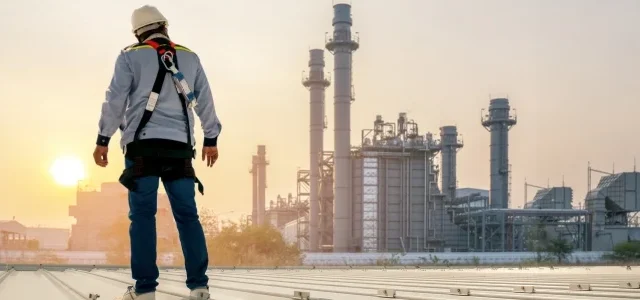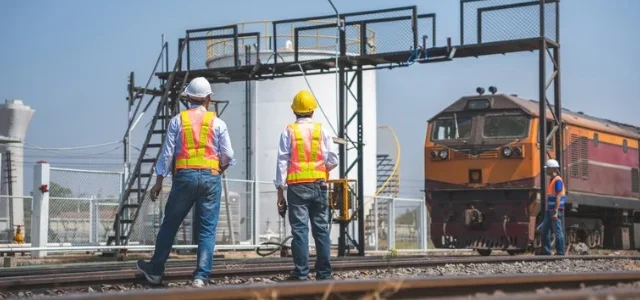
The implementation of this technology represents a significant shift for sectors such as manufacturing, oil and gas, utilities, and heavy construction. By moving away from legacy systems—such as paper sign-in logs and static badge scanners that confirm identity but fail to assess professional competency—Novara aims to provide site managers with a real-time, high-fidelity view of exactly who is on their property and whether those individuals meet the safety thresholds required by law and internal corporate policy.

The Evolution of Site Access and Risk Mitigation
For decades, the standard for site security has been the physical logbook or a basic magnetic swipe card. While these systems provide a record of ingress and egress, they offer zero visibility into the actual safety profile of the personnel on site. In complex industrial environments, a contractor might hold a valid identification badge but could simultaneously be lacking a mandatory safety certification or be employed by a firm that has failed a recent audit.
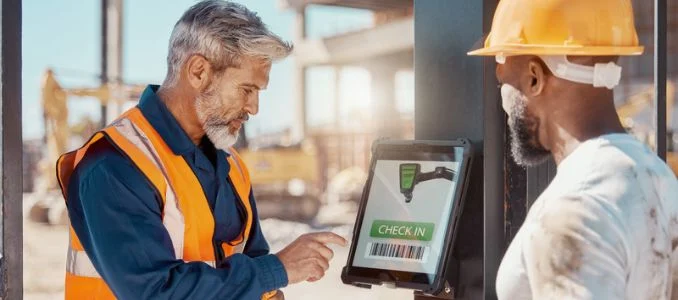
The introduction of the Visitor Management module is a direct response to these recurring operational blind spots. By integrating directly with the pre-existing Contractor Risk Management database, the module transforms the site gate from a mere checkpoint into a proactive compliance enforcement station. When a contractor approaches a gate, the system cross-references their identity against a comprehensive repository of training records, certifications, and organizational approval status. If a requirement is missing or a certification has lapsed, the software triggers an alert, preventing the individual from entering the site until the compliance deficit is rectified.
Technical Functionality and Deployment
The operational workflow of the Novara module is designed for both flexibility and speed, acknowledging that industrial sites often operate at a high tempo where administrative delays can lead to costly downtime. The system supports multiple entry points, allowing gate staff to process arrivals via a mobile device or a centralized web dashboard.

The process is streamlined:
- Identification: The contractor is identified by name or by their employer organization.
- Verification: The system instantly queries the Contractor Risk Management database for active credentials.
- Status Check: The dashboard displays real-time data regarding the organization’s approval status, the individual’s specific training requirements, and any outstanding qualifications.
- Authorization: Access is granted or denied based on the alignment of the individual’s profile with the site’s mandatory safety requirements.
Furthermore, the module serves as a live headcount tool. Site managers can view current and total headcount, track average time on site per contractor, and segment data by location or department. One of the most critical safety features is the "12-hour timeout" protocol. If a contractor is checked in but does not record a checkout within a 12-hour window, the system automatically flags the entry as open and issues a push notification to safety officers. This feature is particularly vital for emergency response planning, ensuring that during a site incident or drill, rescuers have an accurate, reliable list of individuals who should be accounted for.
The Growing Need for Digital Compliance Oversight
The rise of the "extended workforce"—a term used to describe the growing reliance of industrial companies on external contractors—has made manual safety management nearly impossible. According to industry reports on industrial safety, human error remains a leading cause of workplace incidents. When companies rely on siloed systems where human resources, training records, and site security do not communicate, the probability of an unauthorized or improperly trained individual entering a high-risk zone increases exponentially.

By automating the verification process, Novara is helping firms mitigate the legal and financial risks associated with workplace accidents. In the event of a regulatory audit or a post-incident investigation, the ability to produce a clean, exported CSV file of site access history is invaluable. These digital trails provide a level of accountability that paper-based systems simply cannot match, allowing safety departments to perform forensic analysis of site activity during specific timeframes.
Strategic Implications for Industrial Safety
The implications of this technology extend beyond simple efficiency; they touch upon the core of corporate liability and safety culture. For many large-scale industrial operations, the primary challenge is not the existence of safety rules, but the consistent application of those rules across a diverse and rotating workforce.
By integrating compliance directly into the gate process, Novara shifts the burden of proof from the site supervisor to the software system. This "gatekeeper" approach ensures that safety protocols are not just suggestions, but functional requirements for entry. Industry analysts suggest that this type of automation is the next logical step in the "Connected Worker" ecosystem, where digital tools are used to protect personnel from the inherent hazards of complex industrial environments.

Data Management and Auditing Capabilities
A recurring issue in industrial safety management is the difficulty of conducting a thorough post-drill debrief or incident investigation. Often, managers spend days cross-referencing handwritten sign-in sheets with training databases to determine if the right people were in the right place at the right time.
The Novara module eliminates this lag time. Because the check-in and check-out history is centralized and exportable, safety directors can generate compliance reports in minutes. This data-driven approach is essential for modern compliance reporting, particularly for companies operating under the strict oversight of organizations like OSHA or equivalent international regulatory bodies. By providing clear evidence that a company verified its contractors before granting access, the organization significantly strengthens its defense in the event of an investigation or legal dispute.
Industry Feedback and Future Outlook
While Novara has stated that existing users of their Flex Contractor Risk Management software can integrate the new module at no additional cost, the market reception is expected to be focused on the scalability of the solution. As industrial sites continue to modernize, the integration of IoT-enabled sensors and digital verification systems will likely become the baseline expectation.

The push toward real-time visibility is not merely a trend but a necessity for modern industrial operations. The ability to monitor, report, and flag inconsistencies in real time allows for a "preventative" rather than "reactive" safety posture. As more industrial firms adopt these integrated modules, the industry may see a reduction in "near-miss" events, as the potential for human error in the vetting process is effectively neutralized by the software’s architecture.
Conclusion
The launch of the Novara Visitor Management module marks a significant milestone in the digital transformation of industrial safety. By effectively linking the physical act of entering a site with the digital reality of safety compliance, Novara has provided a robust solution to a long-standing industry challenge.
As high-risk sectors continue to grapple with the complexities of managing large, transient workforces, the value of automated, real-time gate security will only grow. Through the use of advanced dashboarding, push notifications, and seamless database integration, the module offers a blueprint for how future industrial sites will manage risk. For those in the manufacturing, utility, and construction sectors, this development represents a proactive step toward safer, more transparent, and more efficient worksite operations. The transition to such systems is not only an investment in software but an investment in the foundational integrity of site safety, ensuring that every worker—whether an employee or a contractor—is prepared, qualified, and accounted for from the moment they step onto the property.