Defining Microtia and Atresia
Microtia and atresia (MA) are congenital conditions that frequently occur in tandem. Microtia refers to the underdevelopment or absence of the external ear, while atresia involves the closure or absence of the ear canal. According to clinical data, microtia occurs in approximately one in every 6,000 to 10,000 live births. When these conditions are present, they often result in conductive hearing loss. If the condition affects only one side, it is classified as unilateral hearing loss (UHL) or single-sided deafness (SSD).
For decades, medical professionals often categorized unilateral hearing loss as a manageable condition that did not necessitate aggressive intervention, operating under the assumption that a child’s "good" ear would compensate for the affected one. However, contemporary audiological and educational research has debunked this notion. Data now suggests that children with UHL face significant developmental hurdles, particularly in environments characterized by background noise, such as traditional classrooms or crowded social settings.
The Developmental Challenges of Unilateral Hearing Loss
The functional implications of UHL are profound. Children with this condition struggle with sound localization—the ability to identify the origin of a sound in space—and speech perception in noise. In a classroom, these limitations can manifest as increased cognitive load. Because the brain must work harder to filter out ambient noise and focus on the teacher’s voice, children often experience "listening fatigue."
This fatigue can lead to behavioral frustration, social withdrawal, and, in some cases, delayed language acquisition. Academic performance may suffer not because of cognitive deficits, but because the child misses critical auditory cues that peers with bilateral hearing naturally capture. Addressing these challenges requires a paradigm shift from passive observation to active, specialized educational support.
The LSL Framework as a Catalyst for Success
Listening and Spoken Language (LSL) education provides a structured framework for children to maximize their residual hearing. By coaching families and utilizing specialized auditory technologies, LSL professionals enable children to integrate sound into their daily communication strategies.
The approach focuses on three primary pillars:
- Auditory Skill Development: Training the brain to interpret sound through amplification or bone-conduction technology.
- Environmental Optimization: Modifying the home and classroom to reduce noise-to-signal ratios, ensuring the child receives clear auditory input.
- Self-Advocacy Training: Equipping the child with the tools to communicate their specific needs to educators and peers, thereby reducing the stigma often associated with hearing devices.
A Case Study in Early Intervention: The Journey of Adeline
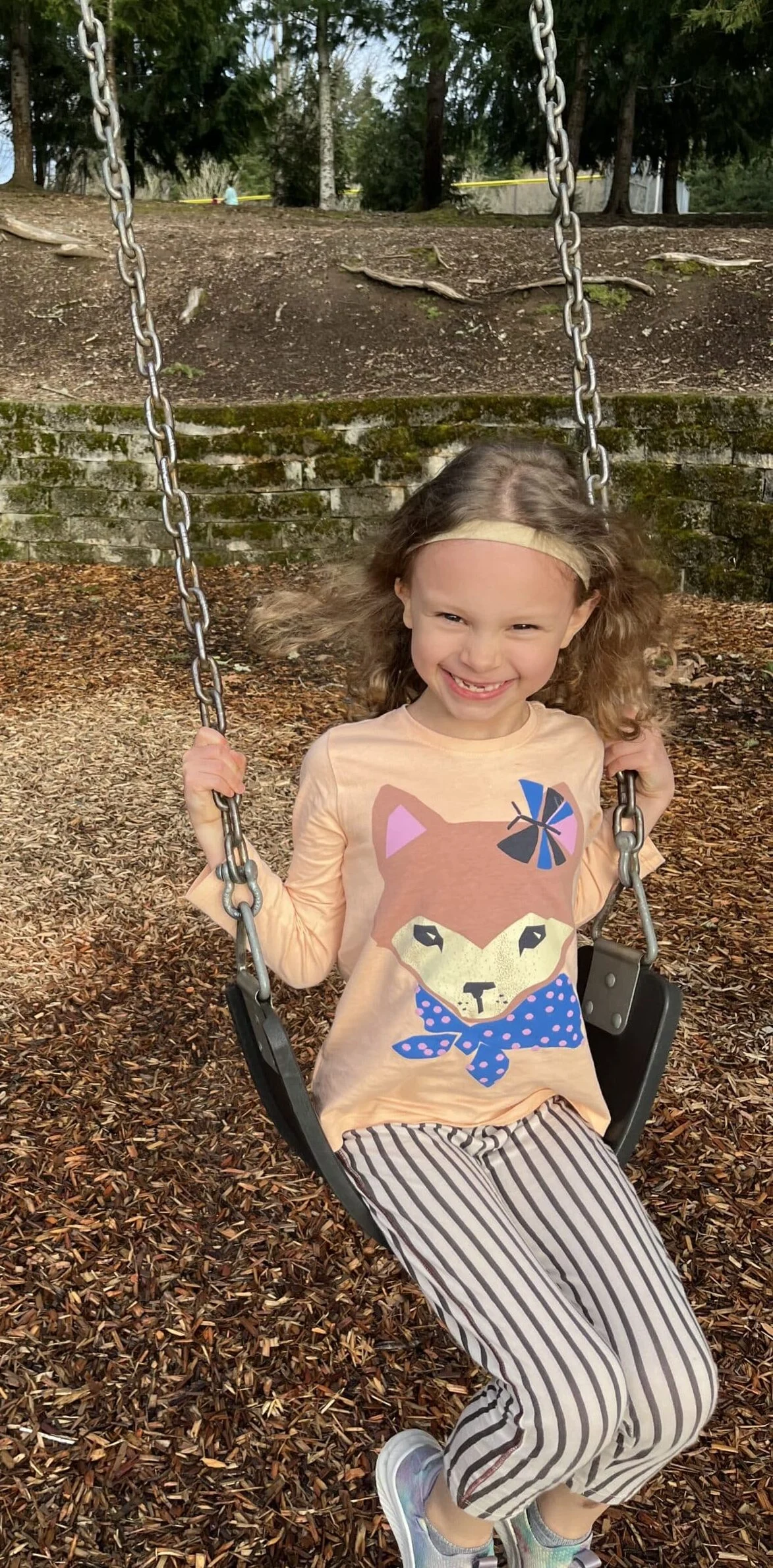
The effectiveness of these interventions is best illustrated through the experiences of families who navigate the healthcare and educational systems early. Adeline, a student whose journey with Listen and Talk exemplifies the success of early advocacy, was diagnosed at five weeks old with unilateral moderate to severe conductive hearing loss. By age four, imaging confirmed that her right ear canal was absent—a condition of severe atresia where the middle ear bones were fused to the skull.
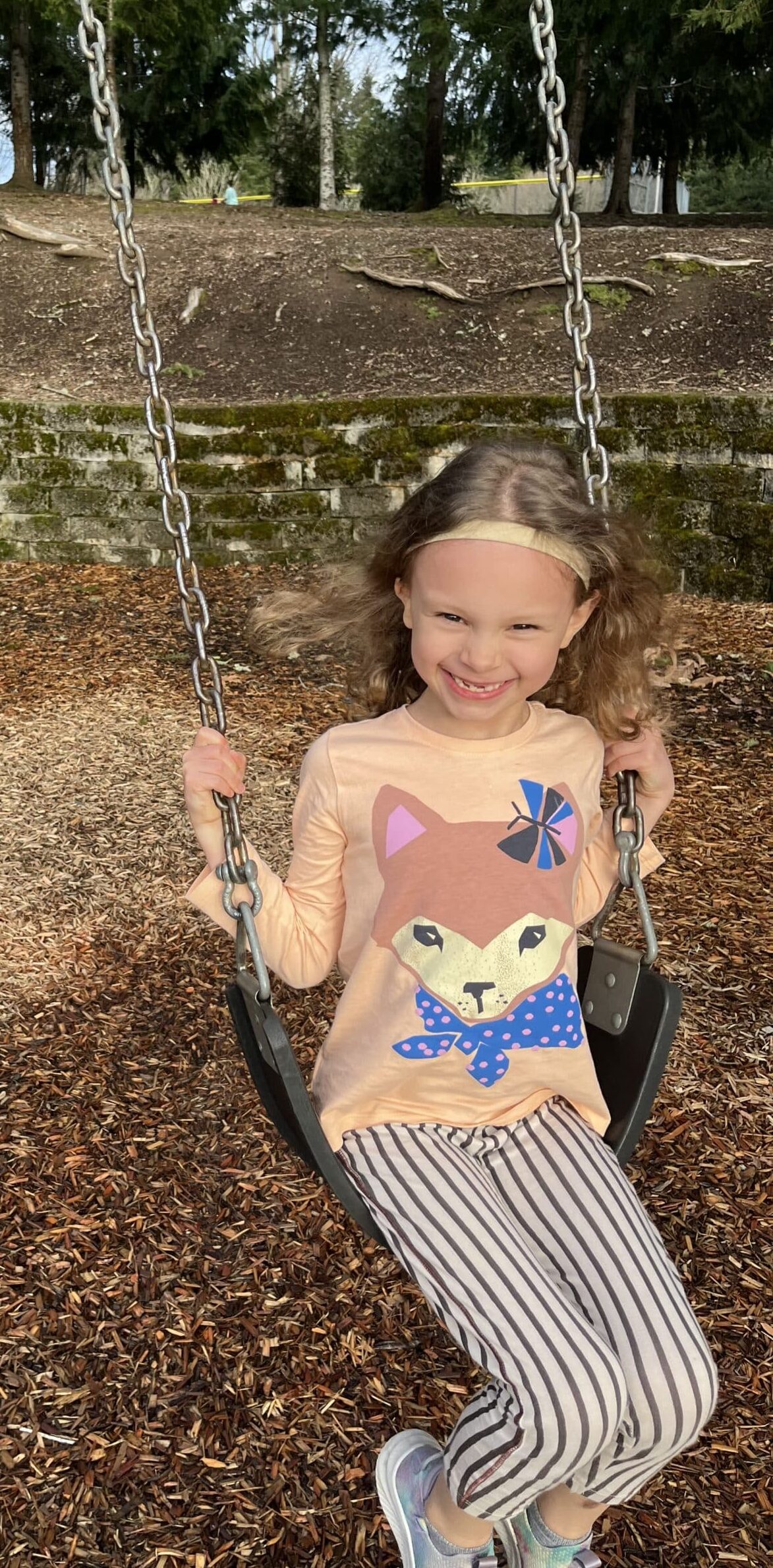
Her mother, Jessie, recalls the initial difficulty of navigating a complex medical system without a roadmap. "Adeline had to work significantly harder to communicate," Jessie notes. "She struggled to localize sound and often retreated from social situations because of the exhaustion caused by constant listening effort."
The intervention provided by Listen and Talk was twofold: it offered the family the technical information necessary to make informed decisions regarding audiological care and, equally importantly, it served as an advocate for the child within the public school system. Over time, this support empowered Adeline to transition from a student needing external advocacy to a confident individual capable of articulating her own needs. Today, as a thriving first grader, Adeline participates in extracurricular activities like choir and serves as an ambassador for her hearing technology, demonstrating that early support can mitigate the social and academic barriers typically associated with UHL.
Broader Implications for Healthcare and Education
The shift toward proactive intervention for children with MA is supported by an evolving understanding of neuroplasticity. The brain’s ability to map sounds and develop language is most robust during the first three years of life. Delaying intervention until school age can mean missing a critical window for auditory development.
Educational institutions are increasingly recognizing the necessity of "listening accommodations." These include the use of remote microphone systems, sound-field amplification in classrooms, and specialized seating arrangements. However, these tools are only effective when the child has been trained to use them. LSL therapy bridges the gap between the technology itself and the child’s ability to utilize it in real-world scenarios.
Moving Forward: Support and Advocacy
The advocacy community emphasizes that a diagnosis of microtia atresia should not be viewed as a limiting factor, but rather as a starting point for specialized support. Organizations such as Washington Hands and Voices and the Ear Community provide the necessary infrastructure for parents to connect with peers and clinical experts.
For parents newly diagnosed with an MA-affected child, the recommended path involves:
- Immediate Audiological Evaluation: Establishing a baseline for hearing levels and exploring appropriate assistive technology, such as bone-anchored hearing aids (BAHA).
- Early Intervention Services: Engaging with professionals trained in LSL to develop a language-rich environment at home.
- Educational Advocacy: Proactively communicating with school districts to ensure that an Individualized Education Program (IEP) or 504 plan is in place to provide necessary accommodations.
The Economics of Early Intervention
From a policy perspective, the investment in early intervention programs—such as those offered by Listen and Talk—yields long-term social and economic returns. By ensuring that children with hearing loss reach their full academic potential, society avoids the downstream costs associated with special education remediation, unemployment, and mental health interventions stemming from unaddressed developmental gaps.
Donations to these programs facilitate the high-cost, high-touch services that public school systems may not be equipped to provide, including audiology testing, parent education classes, and specialized speech therapy. As National Microtia Atresia Awareness Day continues to gain prominence, the collective goal remains the same: ensuring that every child, regardless of their anatomical starting point, has access to the sounds of the world and the ability to express themselves clearly.
By prioritizing early diagnosis, leveraging specialized educational frameworks like LSL, and fostering environments that encourage self-advocacy, the narrative surrounding microtia and atresia is shifting from one of disability to one of adaptation and achievement. As families like Adeline’s continue to show, the "fruit" of these early efforts is a generation of confident, vocal, and fully engaged individuals who are not limited by their hearing, but are instead empowered by the tools and support they received at the start of their journey.