The Legislative Push: The Support Our Miners Act
The proposed Support Our Miners Act represents a critical attempt to modernize the black lung disability program, which has faced criticism for failing to keep pace with the rising cost of living and the increasing medical complexity of the disease. Currently, the disability payments provided to eligible miners are often insufficient to cover the specialized medical care required to manage chronic respiratory failure.
Proponents of the act argue that tying future disability payment adjustments to inflation is a matter of basic economic fairness. Because the progression of black lung disease is often slow and debilitating, many former miners exist on fixed incomes that have been eroded by inflationary pressures over the past decade. By indexing these payments to the Consumer Price Index or similar metrics, the Act would provide a degree of financial security to families who are currently forced to choose between essential medical treatments and daily living expenses.

The Silent Killer: The Crisis of Respirable Crystalline Silica
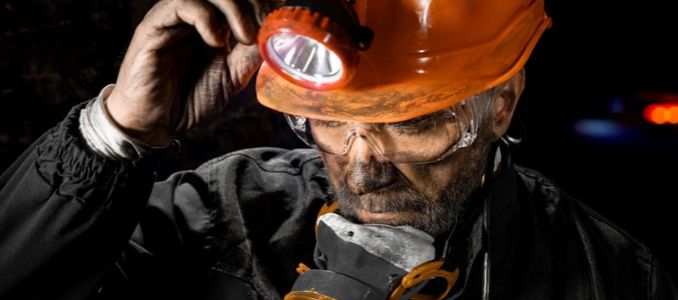
While black lung disease has been a recognized hazard for over a century, the contemporary threat is increasingly tied to respirable crystalline silica. Silica is generated when miners cut through sandstone and other rock formations to reach coal seams. When inhaled, these microscopic particles cause permanent scarring of the lung tissue, leading to rapid disease progression.
The Mine Safety and Health Administration (MSHA) recently sought to formalize a rule establishing an exposure limit of 50 micrograms per cubic meter of air, averaged over an eight-hour period. However, this rule currently faces a legal impasse. Enforcement remains paused due to a federal appeals court order, leaving many miners in a regulatory limbo. Until the court clears the path for implementation, the industry continues to operate under outdated standards that many medical professionals argue are insufficient to protect workers from the high-velocity, high-silica dust generated by modern mining machinery.

Clinical Perspectives: An Escalating Medical Emergency
The urgency of the delegation’s mission was underscored by testimony from clinical experts who treat miners daily. Dr. Drew Harris, the medical director of Stone Mountain Health Services, provided sobering data during a public forum, noting a distinct uptick in patients presenting with silica-related lung disease. This form of the disease is often more aggressive and faster-acting than traditional coal dust-induced pneumoconiosis, often leading to total respiratory failure in miners who are younger than those historically affected.
Lisa Emery, director of the New River Health Breathing Center in West Virginia, reinforced these findings. She reported that her clinic is seeing a younger demographic of patients and an increasing number of individuals who worked in smaller mining operations. These smaller mines often lack the sophisticated, high-capacity dust suppression systems found in larger, corporate-run operations. The clinical consensus is clear: the current environment in the Appalachian coalfields is fostering a modern epidemic that requires immediate, systemic intervention.
Navigating the Bureaucratic Maze: The Struggle for Benefits
Beyond the medical tragedy lies a complex administrative challenge. Monica Glagola, a respiratory therapist at the Lungs at Work clinic in Pennsylvania, highlighted the systemic obstacles that prevent many miners from successfully accessing federal disability benefits. The application process requires an exhaustive compilation of medical documentation, proof of employment, and legal affidavits, often involving decades-old records that may no longer exist.
For many miners, the burden of proof is effectively insurmountable without professional legal and medical assistance. The current system requires miners to prove that their respiratory impairment is a direct result of coal mine employment, a process that insurance companies and mining operators often contest. This creates a "war of attrition" where the miner, already struggling with diminished lung capacity, must navigate an adversarial legal environment. Advocates are calling for a simplified application process that shifts the burden of proof, recognizing the inherent risk profile of the industry.

Chronology of Federal Black Lung Regulation
The struggle for worker safety in the mining industry has been defined by a long, often contentious history of legislative milestones:
- 1969: The Federal Coal Mine Health and Safety Act was passed, establishing the first federal standards for dust control and creating the foundation for the black lung benefits program.
- 1977: The Federal Mine Safety and Health Act was enacted, creating MSHA and further strengthening oversight of mining operations.
- 2014: MSHA introduced comprehensive rules to lower dust limits, aiming to significantly reduce the incidence of CWP through improved monitoring and technology.
- 2024: MSHA proposed the new silica-specific exposure rule, currently stalled in the judicial system.
- 2026: The current lobbying efforts continue, with the Support Our Miners Act proposed to address the fiscal realities of contemporary disability claims.
Economic and Industry Implications
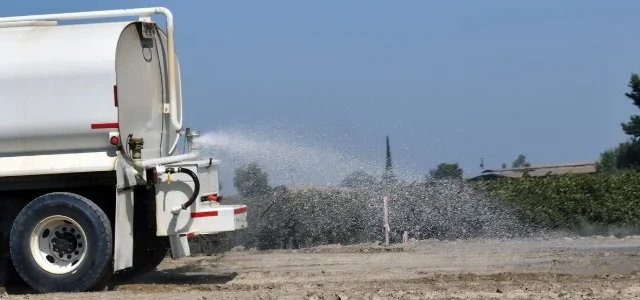
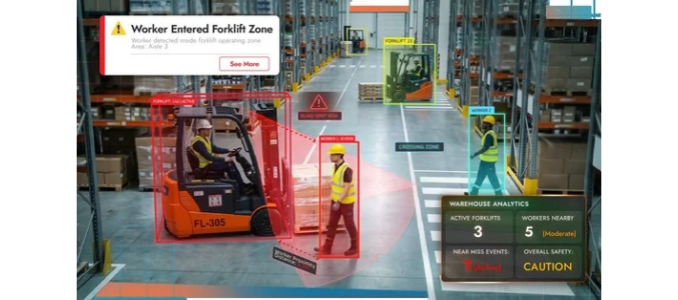
The mining industry has historically expressed concerns regarding the economic viability of stricter silica standards. Industry representatives often point to the high cost of implementing advanced dust suppression technology, such as automated water sprays, improved ventilation systems, and specialized cutting bits, as potential threats to the competitiveness of smaller mines.
However, health policy analysts argue that the long-term economic cost of unchecked black lung disease far outweighs the initial investment in safety infrastructure. The public health burden, manifested in Medicaid/Medicare costs, the loss of labor force participation, and the social impact on mining communities, represents a significant hidden tax on the industry and the state. By internalizing these costs through stricter regulation and increased disability coverage, the government aims to force a shift toward a safer, more sustainable extraction model.
The Human Cost: A Legacy of Sacrifice
The delegation in Washington included family members of deceased miners, serving as a poignant reminder that the debate over "micrograms per cubic meter" is, in reality, a debate about the lives of individuals. Many of these families have seen the transition from traditional mining to the high-pressure, high-silica extraction methods of the modern era, and they argue that safety protocols have failed to evolve alongside technology.
For these families, the Support Our Miners Act is more than a policy shift; it is a recognition of the fundamental social contract between the nation and those who provide the energy that fueled its industrial rise. As the legislative session continues, the testimonies of Dr. Harris, Monica Glagola, and the miners themselves will likely serve as the primary evidence in a broader national conversation about worker protection in the 21st century.
Future Outlook and Policy Recommendations
The path forward for the mining industry involves a multi-faceted approach. First, the resolution of the silica rule in the federal courts is essential for establishing a clear, enforceable standard. Second, the potential passage of the Support Our Miners Act would provide much-needed relief to the current generation of afflicted workers. Finally, there is an ongoing need for increased funding for independent medical clinics, such as Lungs at Work and New River Health, which act as the primary defense for miners attempting to navigate the complex application for benefits.
As lawmakers weigh the costs of these proposals, the focus remains on the data. With clinical indicators suggesting that the incidence of severe lung disease is not declining—and in some sectors, is actually increasing—the current regulatory environment is under intense scrutiny. Whether through legislative action or judicial intervention, the push for stronger black lung protections remains one of the most significant occupational health stories in the United States today. The consensus among the visiting delegation is that the era of "acceptable risk" in the mines has long since passed, and that current protections must be overhauled to meet the reality of the modern mining environment.